Use the evidence and practical questions in this article to test your own assumptions. Any worked examples use hypothetical inputs.
The documented business story
The SBA's public profile describes Icarus Medical, a Charlottesville manufacturer of customized orthopedic braces founded by Dave Johnson. It reports that an initial SBA-backed financing package in 2021 helped bring production in-house, followed by additional financing in 2023 and 2025. The profile describes equipment, manufacturing capability, and workforce growth. These are facts attributed to the SBA account, not independently audited results from Motenza.
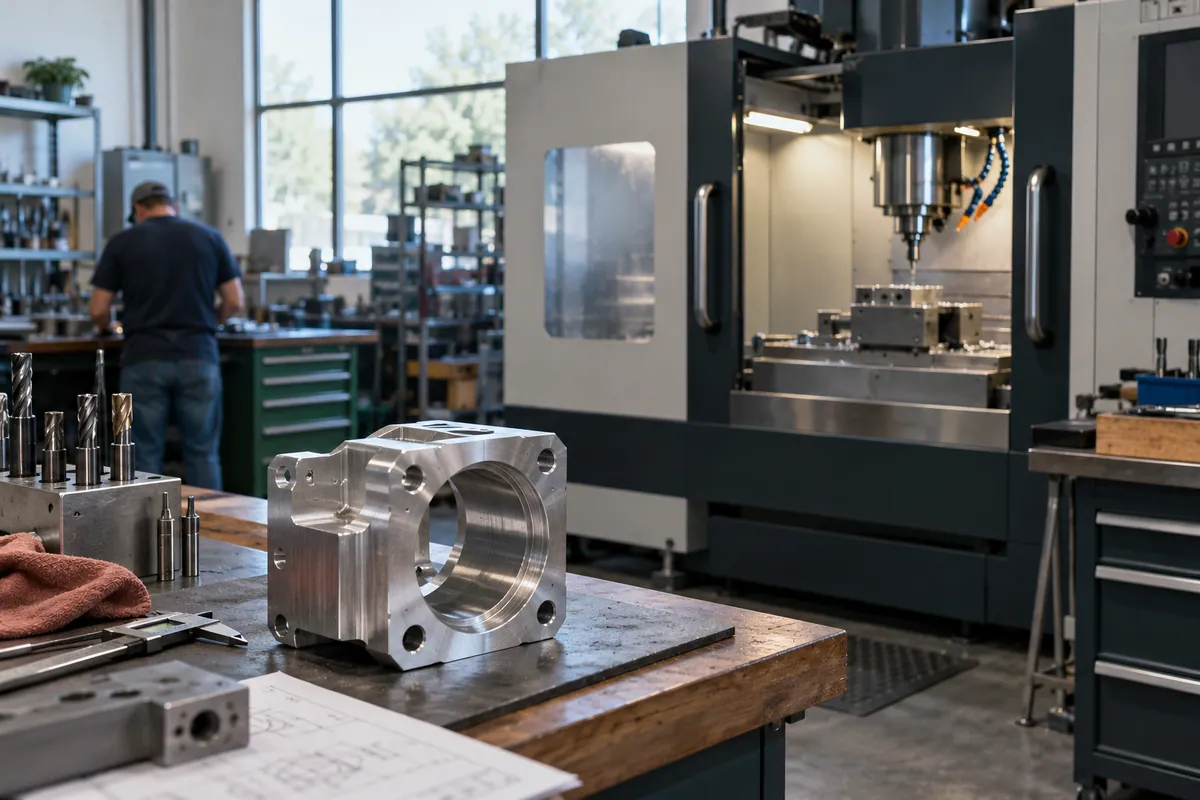
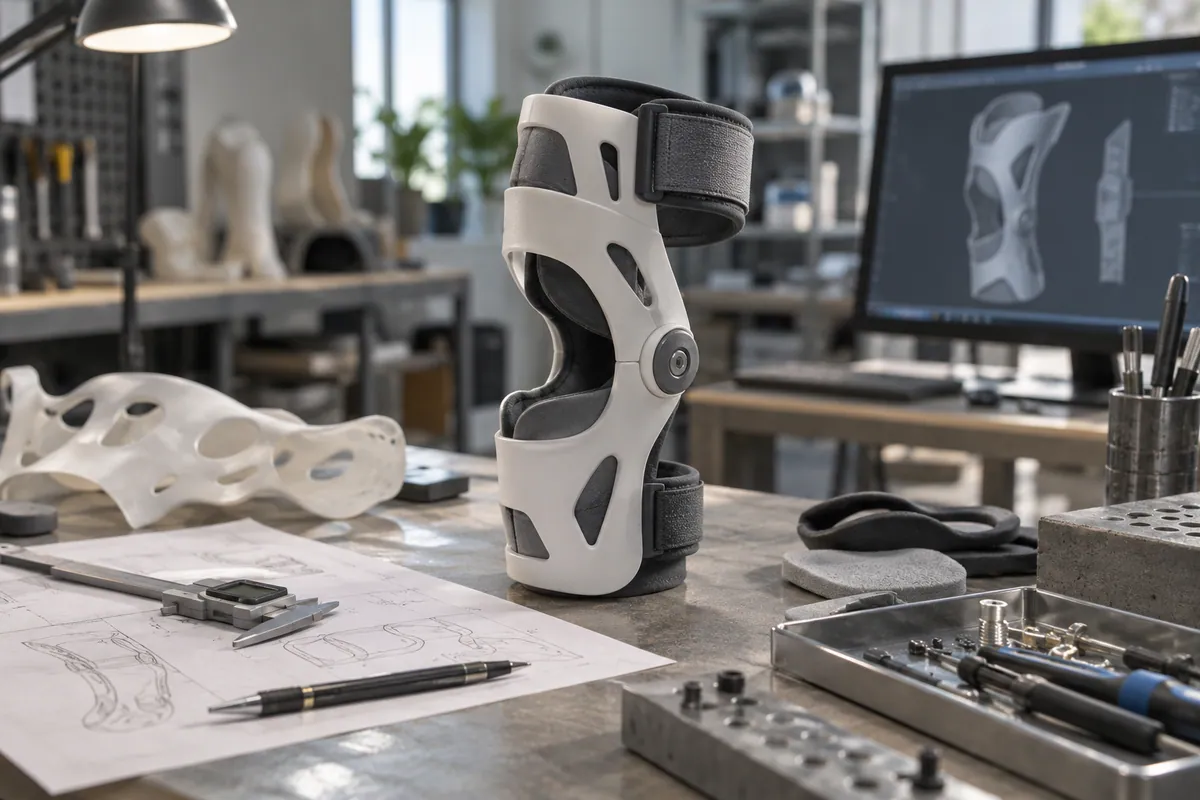
This is a public-source business profile. Icarus Medical is not presented as a Motenza client, and Motenza did not interview the company for this article. The workspace image is hypothetical and does not depict its premises or products. Read the original account for the company's full context.
The financing lesson: connect capital to capability
For a manufacturer considering a similar transition, the useful question is what changes when production moves in-house. Buying equipment is only part of that change. Staffing, installation, quality control, maintenance, materials, and the transition from external suppliers can all require cash. A proposal should show which capabilities the project creates and when they become productive.
Separate the cost of obtaining the machine from the cost of operating the system around it. Estimate incremental cash contribution after labor and materials, not only additional output. Model a later commissioning date and preserve enough working capital to fulfill existing orders during the transition. These are analytical planning questions; they are not claims about Icarus's private financing terms.
What a reader should not infer
One successful profile does not establish a repeatable approval result or prove that debt caused every reported business outcome. The public story does not provide the full agreements, underwriting file, repayment history, or financial statements. Avoid extrapolating an interest rate, guarantee, or contribution requirement from the fact that SBA-backed financing was involved.
For your own project, document customer demand and distinguish signed orders from prospective sales. Ask the lender which costs are eligible, what closing conditions remain, and how the payment schedule fits the installation calendar. Compare equipment financing and broader working-capital needs together. A clear purpose and realistic operating plan are more useful than trying to reproduce another company's financing label.
Sources & further reading
Source links checked October 10, 2026. Rules and availability may change; verify current terms directly. Read our editorial standards.