Use the evidence and practical questions in this article to test your own assumptions. Any worked examples use hypothetical inputs.
What local SEO should achieve
Local SEO helps people discover a relevant business when they search for a service or place in a particular area. Its practical objective is qualified inquiries and visits, not merely appearing for every possible city keyword. A strong local presence describes the real business accurately, answers customer questions and makes contact or booking straightforward. It should not imply an office, service or qualification that does not exist.
Separate the business's Google Business Profile from its website's organic search performance. They are related surfaces with different reporting and controls. A map result, a web-page impression and a completed inquiry are distinct outcomes. Measuring them separately helps the owner identify whether the issue is discovery, an unclear offer, a technical page problem or a weak conversion process.
Start with an accurate Google Business Profile
Google describes local results in terms of relevance, distance and prominence. Complete and accurate business information helps Google understand the business, but there is no legitimate setting that guarantees first position for every searcher. Distance varies with the user and query. A company should not invent locations or add unrelated wording to its name to imitate a stronger local match.
Use an eligible profile, the real business name, suitable categories, current hours, a working contact method and accurate location or service-area information. Follow Google's current representation guidelines, including the treatment of businesses that serve customers away from their address. Keep special hours and material service changes updated. An attractive profile is not useful if it directs customers to a closed location.
Build pages around real customer decisions
A service page should explain who the service is for, what is included, where it is actually available and how the process works. Add useful evidence such as original work examples, relevant qualifications, pricing factors and common constraints when accurate and permitted. Avoid creating dozens of pages that only replace one city name with another. A local page needs a distinct purpose and real information.
For a company serving several areas, decide whether one clear service-area page answers the question better than many thin location pages. Separate pages may be appropriate when the offer, access, staff or local information genuinely differs. Keep internal links logical so visitors can find the relevant service without browsing an artificial directory built only for search engines.
Map search intent to one appropriate page
Collect queries from actual customer questions, Search Console and keyword research. Group terms by the decision they represent: finding a provider, comparing options, understanding price or preparing for an appointment. Assign the main intent to the most useful existing page before creating another. Several pages competing to answer the same question can make the site harder to maintain and navigate.
Use descriptive titles, headings and link text that reflect the page's content. Natural variations can appear where they help explain the topic; repeating the same phrase in every paragraph does not add usefulness. A page about a Miami service should provide accurate Miami-specific information, not a block of place names appended to a generic article. Search volume identifies demand, not permission to claim services the business does not offer.
Keep the technical basics reliable
Important pages should load successfully, be accessible to crawlers and use a coherent canonical URL. Check that internal links reach the intended page and that redirects do not create unnecessary chains. A sitemap helps discovery, but submitting a URL does not guarantee indexing or ranking. An HTTP 200 response also does not prove that Google has indexed the content.
Check mobile layout, text readability, image dimensions and the steps needed to contact the business. Use descriptive image alternatives where appropriate and avoid making essential information available only inside a picture. Compress photos responsibly and reserve their layout space to reduce visible movement. Fix a demonstrated problem rather than changing robots rules, canonicals or URLs repeatedly without evidence.
Earn and manage authentic reviews
Invite customers to share honest experiences using a consistent process. Follow Google's review policies: do not offer incentives for reviews or selectively route only satisfied customers to the public review channel. A request should not dictate wording or require a positive rating. Authentic feedback is useful to readers and can reveal service issues the business needs to address.
Reply professionally and avoid exposing personal or confidential information. Investigate a complaint through the proper channel rather than debating sensitive details in public. Report a review only when there is a policy basis, not simply because the rating is unfavorable. Keep review management connected to operating improvement; generating more requests does not solve a recurring delivery problem.
Build relevant local evidence and links
Maintain accurate listings where they are genuinely useful to customers, including appropriate industry associations and local organizations. Check the business name, address treatment, contact details and website destination. A directory listing should support discovery or credibility, not exist solely because it can sell a large number of links. Avoid false memberships, fabricated endorsements and paid links presented as independent recommendations.
Useful local content can include an original guide to a relevant process, an explanation of local service constraints or a documented project with permission. Make it worth referencing. Outreach and partnerships should describe the actual material and connection honestly. There is no need to claim a large newsroom, invented awards or a longstanding history to make a helpful page professional.
Measure inquiries as well as search visibility
Track Search Console impressions, clicks and queries for the relevant pages, then connect them with appropriate website inquiry or booking measurements. Google Business Profile interaction data can provide another view, but a click is not necessarily a completed sale. Keep privacy choices and applicable analytics requirements in mind when setting up measurement.
In a hypothetical month, 1,000 relevant search impressions produce fifty site visits, ten inquiries and three completed jobs. Those stages suggest different improvement opportunities. A better title may affect clicks; a clearer service page may affect inquiries; faster response may affect bookings. Record enough context to avoid attributing every change to SEO when seasonality, advertising or service availability also changed.
A sustainable local SEO review
Use the worksheet to review profile accuracy, important pages, technical access, customer questions and conversion evidence. Assign an owner and a next action to each confirmed issue. Prioritize errors that mislead customers or block a working contact path before cosmetic keyword changes. Maintain the pages as the business evolves so the information remains dependable.
Local SEO is an ongoing process of being discoverable, relevant and useful. The business cannot control every competing result or a searcher's distance, but it can control accuracy, service information, site reliability and customer experience. Those are stronger foundations for qualified traffic than publishing a large collection of near-identical pages and assuming their quantity guarantees visibility.
The working notebook
A local discovery and inquiry review
Use this working record to connect the article with a decision in your own business. Replace the hypothetical figures with amounts supported by current records and keep the calculation period and definitions consistent. The table identifies the evidence to retain, rather than promising a result from a particular percentage or benchmark.
Assign an owner and a review date to material exceptions. Keep the first version so you can compare the assumption with the actual outcome. If the evidence changes, explain why the decision changes as well. Store sensitive customer, employee, banking and financial details only in your approved systems; the downloaded blank worksheet does not need those details to demonstrate the process.
Questions to resolve before acting
- Does any page imply a location that does not exist?
- Are new pages distinct and useful?
- Which inquiries became actual business?
Download the working worksheet
The worksheet is an editable CSV for your own records. Examples are hypothetical, not quotes, promised returns or eligibility decisions. Keep sensitive information on your own device.
Frequently asked questions
What affects Google local ranking?
Google describes relevance, distance and prominence. Accurate information and useful service content support discovery, but no setting guarantees first position for every searcher.
Does a sitemap guarantee indexing?
No. It supports discovery. Submission, an HTTP 200 response and confirmed indexing are separate outcomes that should be checked with appropriate Search Console evidence.
Should a business create a page for every nearby city?
Only when each page has a real purpose and distinct useful information. Pages that only exchange city names are a weak substitute for accurate service-area content.
Photography credits & licenses
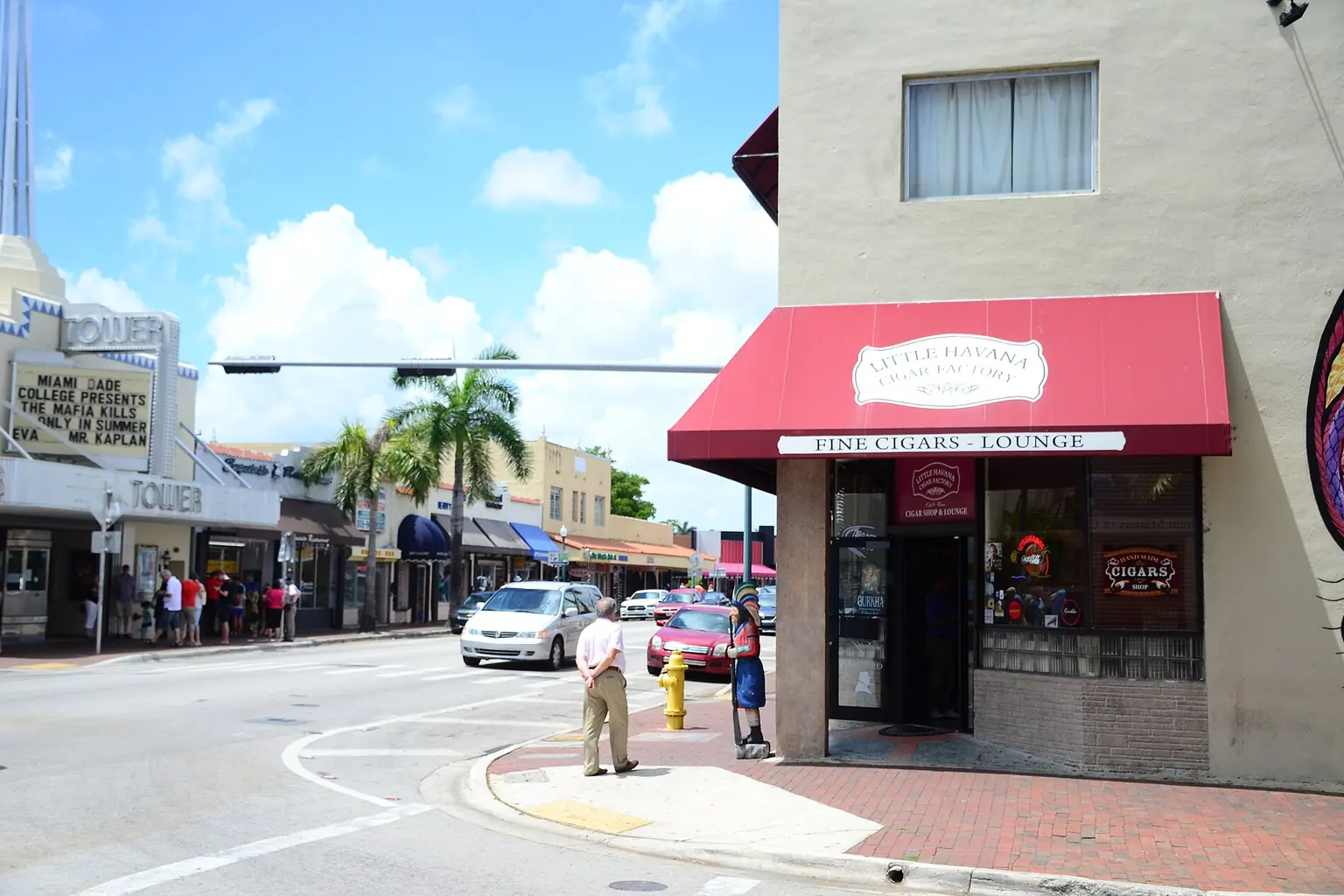
- Photograph by osseous · CC BY 2.0. Resized and cropped; adaptations retain the source license.
Sources & further reading
- Google: local ranking factors
- Google: representing your business accurately
- Google: authentic reviews and review requests
- Google: helpful content guidance
Source links checked October 12, 2026. Rules and availability may change; verify current terms directly. Read our editorial standards.