Use the evidence and practical questions in this article to test your own assumptions. Any worked examples use hypothetical inputs.
Read the flag before entering the water
Beach flags describe conditions, not a guarantee that the ocean is safe for a particular swimmer. Florida’s warning system uses different colors for changing hazards, including surf conditions and dangerous marine life. Miami Beach publishes beach information and provides an Ocean Rescue hotline for daily conditions. Check the information close to your visit, then read the flag at the beach and speak with a lifeguard if anything is unclear. An earlier forecast or a calm photograph on social media does not override the conditions in front of you.
- Green indicates low hazard; conditions still require caution.
- Yellow indicates a medium hazard with moderate surf or currents.
- Red indicates high hazard with strong surf or currents.
- Double red means the water is closed to the public.
- Purple warns of dangerous marine life and can accompany another flag.
Choose a supervised place and a shore plan
Choose an area near an operating lifeguard station and ask about local hazards, the designated swimming area and any restrictions. Strong swimmers can still encounter rip currents. The National Weather Service advises against fighting a current by trying to swim directly against it; follow its current safety guidance and lifeguard instructions. Children need active, close adult supervision rather than reliance on a flag or flotation toy. If conditions are unsuitable, keep the beach visit on shore or choose an indoor activity. A changed plan is better than treating a vacation schedule as a reason to ignore a warning.
Recheck conditions throughout the visit
Wind, storms and surf can change while you are at the beach. Notice whether flags change, lifeguards make announcements or people are being asked to leave the water. When thunder is present, follow weather and lifeguard instructions and move to a suitable shelter; a beach umbrella does not make a lightning storm safe. Keep drinking water, shade and sun protection in your plan for time spent on shore. Before heading home, check on everyone in your group rather than assuming that a person who left the water has already returned to the meeting point.
- Ask the lifeguard to explain any flag or warning you do not understand.
- Agree on a visible meeting place and supervise children continuously.
- Keep an alternative activity for rough surf or an approaching storm.
Image source and usage
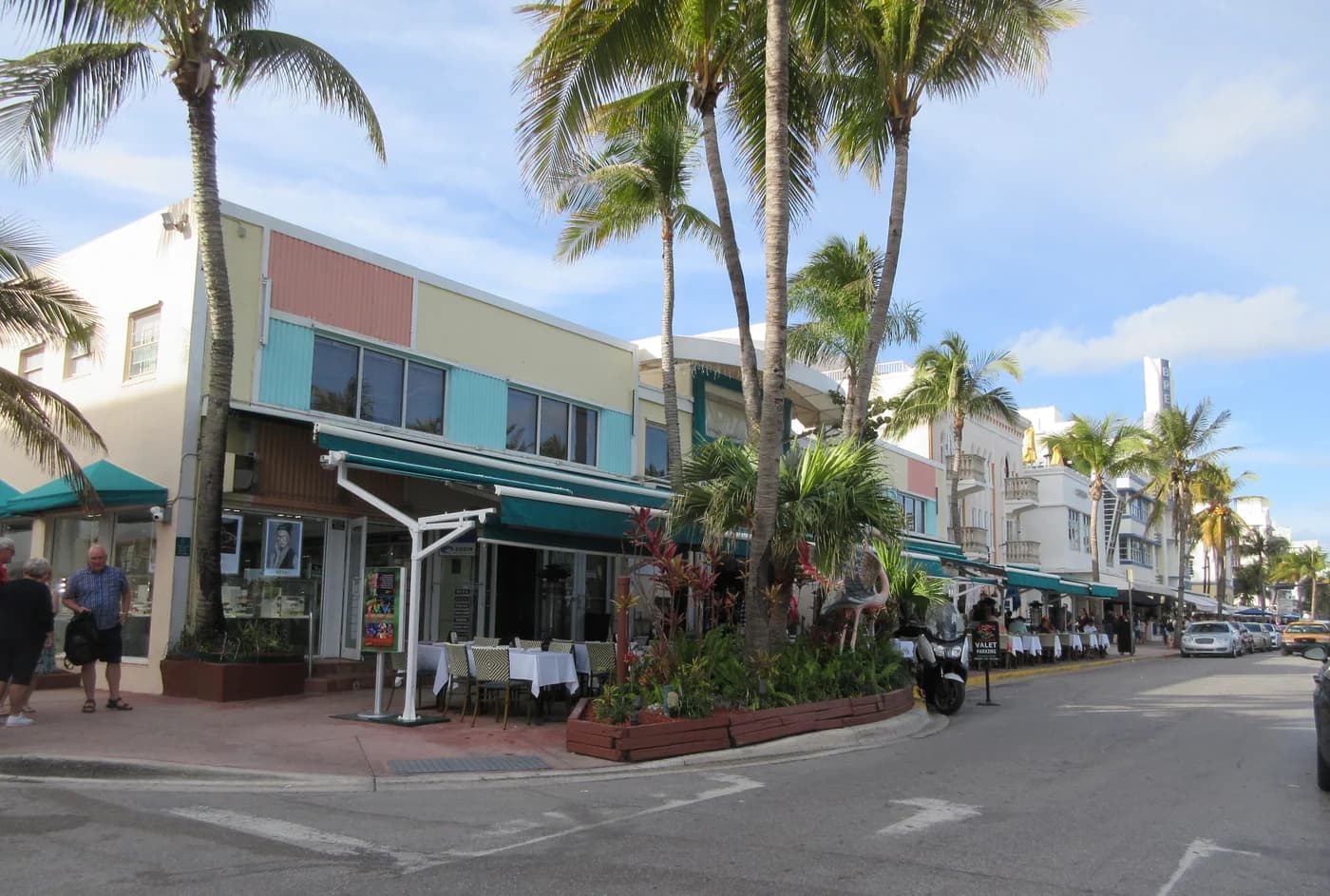
An archival view of the Ocean Drive area in Miami Beach
Infrogmation of New Orleans
Source image · Image-use terms
Web versions are resized and compressed; attribution and applicable source terms are retained.
Frequently asked questions
Does a green flag guarantee safe swimming?
No. Conditions can change and individual swimming ability matters. Swim near a lifeguard and follow the instructions at the beach.
Where can I check Miami Beach conditions?
Use the city’s beach information page and Ocean Rescue resources, then confirm the actual flag and instructions when you arrive.
Sources & further reading
- Beach Information - City of Miami Beach
- Actions to Take at the Beach to Protect You, Your Family and Others
- www.weather.gov: official visitor or service guidance
Source links checked October 20, 2026. Rules and availability may change; verify current terms directly. Read our editorial standards.