Use the evidence and practical questions in this article to test your own assumptions. Any worked examples use hypothetical inputs.
Ask whether the payment was paid or returned
An overdraft and a non-sufficient-funds event begin with a shortage but can have different outcomes. In an overdraft, the institution pays a transaction that exceeds the available funds under its arrangements. An NSF or returned payment is not paid as requested because sufficient funds are unavailable. Fees depend on the account and circumstances; do not assume every bank charges the same amount or that every returned payment creates a bank fee. The merchant or creditor may have its own returned-payment terms. Start by confirming what actually happened to the transaction before deciding how to correct it.
Read available balance and payment timing together
The displayed balance can differ from what remains available after pending card authorizations, checks, scheduled transfers and holds. Write down the payment due date, expected deposit availability and any automatic debit that could occur first. Moving money into an account does not always make it immediately available for every payment. Review the bank’s overdraft choices, linked-account terms, alerts and any applicable consent requirements. A linked transfer may have its own fee or limit, so compare it with the actual alternatives. Ask the bank to explain a charge you cannot reconcile against the account record.
Prevent a failed payment from repeating
If a bill was returned, contact the creditor through a trusted channel to arrange the next step and determine whether it will try again automatically. Avoid sending a duplicate replacement payment without checking that point. Build a small timing calendar for recurring bills and keep an appropriate buffer where your budget permits. Low-balance alerts help only if they reach a monitored contact and leave enough time to act. When requesting a fee review, identify the transaction and the reason clearly. A refund of a charge does not settle an unpaid bill or stop a pending retry by itself.
- Confirm paid, pending or returned status before sending a replacement.
- Check available funds, holds and automatic retry arrangements.
- Review account terms and keep alerts connected to a monitored contact.
Image source and usage
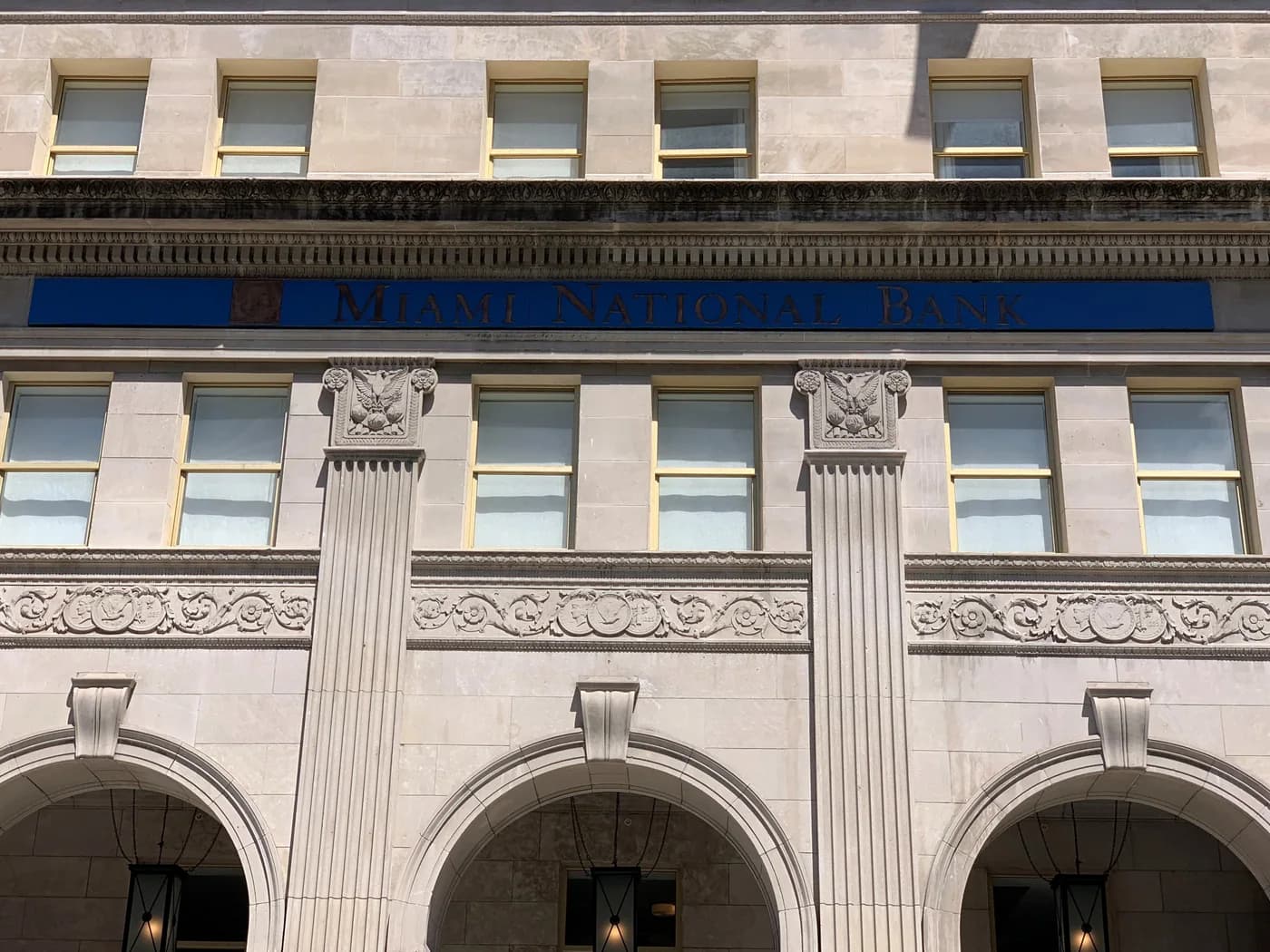
The historic Langford Building in Downtown Miami, as an architectural reference
Phillip Pessar
Source image · Image-use terms
Web versions are resized and compressed; attribution and applicable source terms are retained.
Frequently asked questions
Is NSF the same as the bank lending money through an overdraft?
No. A returned NSF payment and a paid overdraft are different outcomes. Confirm the transaction status with the institution.
Does a fee refund pay the original bill?
No. Reconcile the fee and the underlying payment separately with the bank and creditor.
Sources & further reading
- Know your overdraft options | Consumer Financial Protection Bureau
- What is an overdraft? | Consumer Financial Protection Bureau
Source links checked October 20, 2026. Rules and availability may change; verify current terms directly. Read our editorial standards.