Use the evidence and practical questions in this article to test your own assumptions. Any worked examples use hypothetical inputs.
Read beyond the advertised transaction rate
Payment-processing fees can include percentage charges, per-transaction amounts, monthly services and other contract items. The advertised rate may describe only part of the statement. Start by identifying the actual provider, pricing model, billing period and transaction types. FTC material explains that merchant processing involves several participants and components; the practical task is to reconcile what your business actually pays. Card-present sales, keyed transactions, online payments and international cards may not price the same way. A comparison that gives one provider an easier transaction mix than another is not a reliable cost ranking.
Calculate an effective rate with a clear denominator
As a hypothetical example, $600 of processing fees on $20,000 of matched processed sales produces a 3% effective rate. The calculation is fees divided by the relevant volume, multiplied by 100. Use a consistent period and define which fees are included. Keep refunds, chargeback principal, reserves, loan repayments and other non-fee adjustments separate unless the comparison explicitly addresses them. A bank deposit smaller than gross sales is not itself proof that the difference is all processing expense. Match settlement records to the statement so delayed batches do not distort the month’s denominator.
Compare the contract and the operating fit
Ask competing providers to price the same volume, average ticket, card mix and sales channels. Include equipment, software, settlement timing, support, dispute handling and exit conditions in the decision. A lower processing percentage can be offset by fixed fees or an expensive cancellation obligation. Do not assume that passing a fee to customers is always permitted; payment-network rules, contracts and applicable law need separate review. Keep written quotes and verify any bank-detail or account-change request through a trusted channel. Review several comparable periods before treating one unusually small or large month as the permanent cost of accepting payments.
- Match all included fees to a clearly defined sales volume and period.
- Separate reserves, refunds and other adjustments from fee expense.
- Compare the same transaction mix and read equipment and exit terms.
Image source and usage
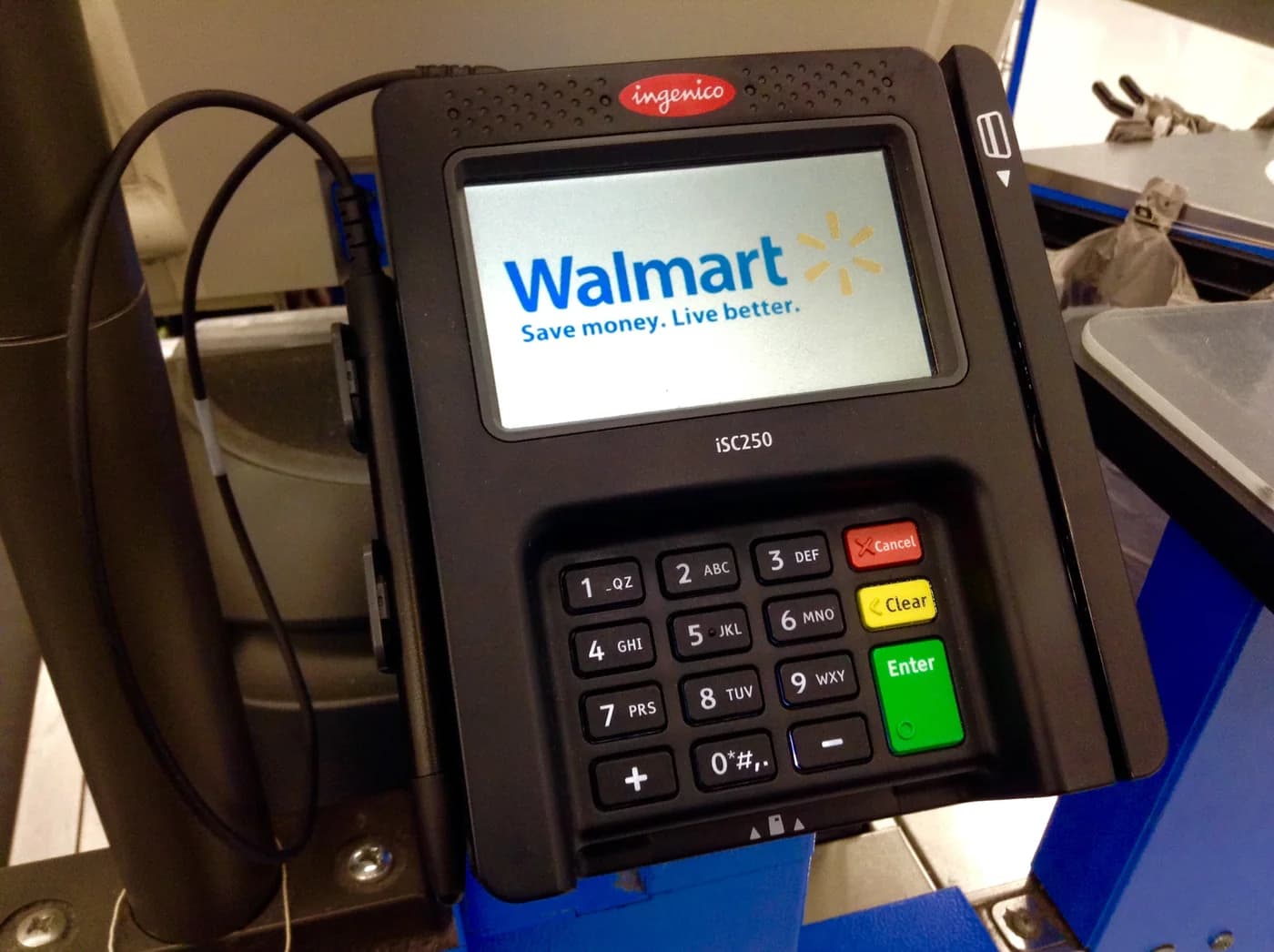
An Ingenico card reader, shown as a payment-processing reference
Mike Mozart from Funny YouTube, USA
Source image · Image-use terms
Web versions are resized and compressed; attribution and applicable source terms are retained.
Frequently asked questions
Is the advertised rate the same as the effective rate?
Not necessarily. The effective rate uses the fees actually included in the calculation and the matching processed volume.
Is every deduction from a settlement a fee?
No. Reserves, refunds and other adjustments may be present. Reconcile the statement before categorizing the difference.
Sources & further reading
- New Rules on Electronic Payments Lower Costs for Retailers | Federal Trade Commission
- Payments and Billing | Federal Trade Commission
Source links checked October 20, 2026. Rules and availability may change; verify current terms directly. Read our editorial standards.