Use the evidence and practical questions in this article to test your own assumptions. Any worked examples use hypothetical inputs.
Separate a security deposit from spending money
A secured credit card generally requires collateral, often a cash deposit, while a debit card normally accesses money in a linked deposit account. The deposit on a secured card should not be assumed to pay each purchase automatically. You still need to follow the credit agreement’s payment terms and review statements. CFPB explains that credit, debit and prepaid products draw on different sources of funds. A card’s physical appearance or payment-network logo does not establish whether you are borrowing, spending a deposit or using a prepaid balance. Identify the actual product before comparing benefits.
Check reporting, interest and fees
If building a credit history is the goal, ask the issuer whether and how the secured account is reported to credit bureaus. Reporting alone does not guarantee a score increase; payment behavior and other information matter. Compare annual fees, interest terms, grace-period conditions, late charges and how the security deposit is returned or applied when the account changes. With debit, review account maintenance, ATM and overdraft terms. A product advertised for credit building can still be expensive if recurring fees consume a large part of a small limit. Read the complete agreement before applying.
Choose around the behavior you can maintain
Make a payment plan before using a credit line. Track statement balance, due date and the cash available to pay, rather than treating the credit limit as an extension of income. For debit, monitor the available balance and pending transactions before making a purchase. Both products need secure account access and prompt reporting of suspicious activity, but rights and procedures differ by transaction and circumstances. Do not choose based only on a promotional reward. The useful comparison is the full cost and responsibility of the product you can operate consistently within your budget.
- Confirm whether purchases create debt or spend existing funds.
- Ask about bureau reporting and security-deposit return conditions.
- Compare all recurring fees and maintain a practical payment routine.
Image source and usage
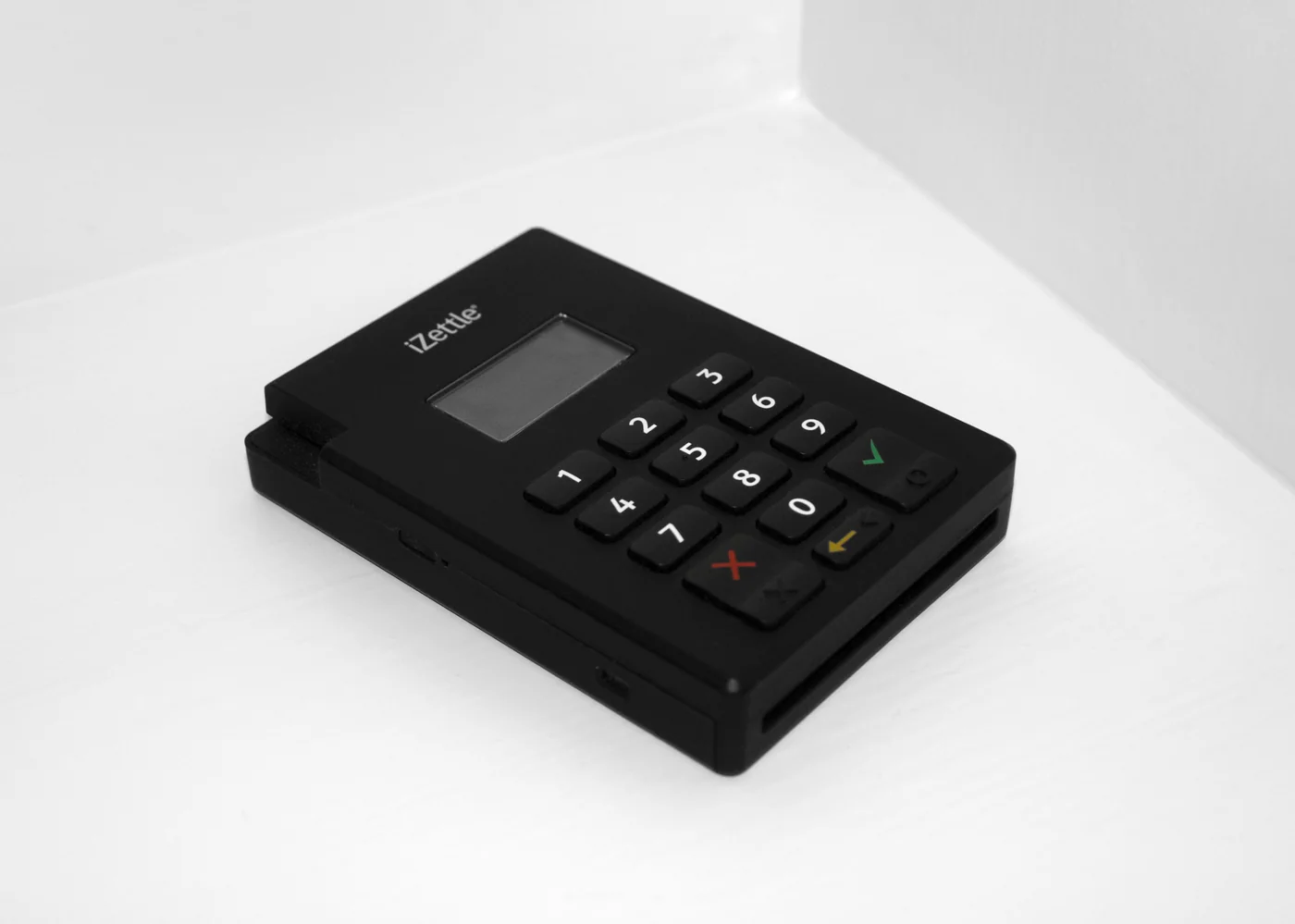
An iZettle payment terminal, shown as a card-payment reference
Santeri Viinamäki
Source image · Image-use terms
Web versions are resized and compressed; attribution and applicable source terms are retained.
Frequently asked questions
Does a secured-card deposit replace monthly payments?
Do not assume that. Follow the issuer’s payment agreement; the security deposit and the monthly bill serve different functions.
Does ordinary debit spending automatically build credit history?
An ordinary debit transaction generally uses account funds rather than a reported credit account. Verify any special product’s actual reporting arrangement.
Sources & further reading
- How are prepaid cards, debit cards, and credit cards different? | Consumer Financial Protection Bureau
- Improving Your Credit | consumer.gov
Source links checked October 20, 2026. Rules and availability may change; verify current terms directly. Read our editorial standards.