Read this report alongside the linked primary sources. Distinguish the announced event from its potential effect on your business.
The winter outlook’s regional signal
NOAA’s October 15 outlook for December 2026 through February 2027 places El Niño at the center of its seasonal assessment. The agency describes warmer-than-average conditions favored across the northern United States and wetter-than-average conditions favored across much of the South, including Florida, and the East. These are seasonal tendencies, not a day-by-day forecast for a particular city. A wet seasonal outlook does not mean rain every day, and a warm tendency does not eliminate cold events. Readers should retain the period, region and probability context when turning a national map into a local planning discussion.
Identify the decisions that need a seasonal lead time
A business can use the outlook to review maintenance, outdoor scheduling, stock protection and access routes before the season begins. Identify which decisions genuinely need weeks of preparation and which should wait for a short-range forecast. A property manager might inspect drainage arrangements, while an event operator can clarify the written weather policy and an alternative layout. Those examples are planning questions, not claims that NOAA predicts a specific site will flood or an event must be cancelled. Keep the trigger for action attached to a named local forecast or warning source so the seasonal map does not become an unsupported operational order.
Update the plan as more specific evidence arrives
Revisit the seasonal context when official updates are published, then use shorter-range forecasts for decisions close to the date. Record what changed and why, particularly when customers, suppliers or staff depend on the plan. Compare any expected weather-related expense with the cost and usefulness of the preparation itself. The aim is proportionate readiness, with alternatives identified before urgency narrows the options. For Florida readers, the outlook provides a relevant regional signal, while actual conditions still vary by location and event. A useful winter plan connects broad probabilities, current local information and a clear responsibility for making the final operating decision.
Image source and usage
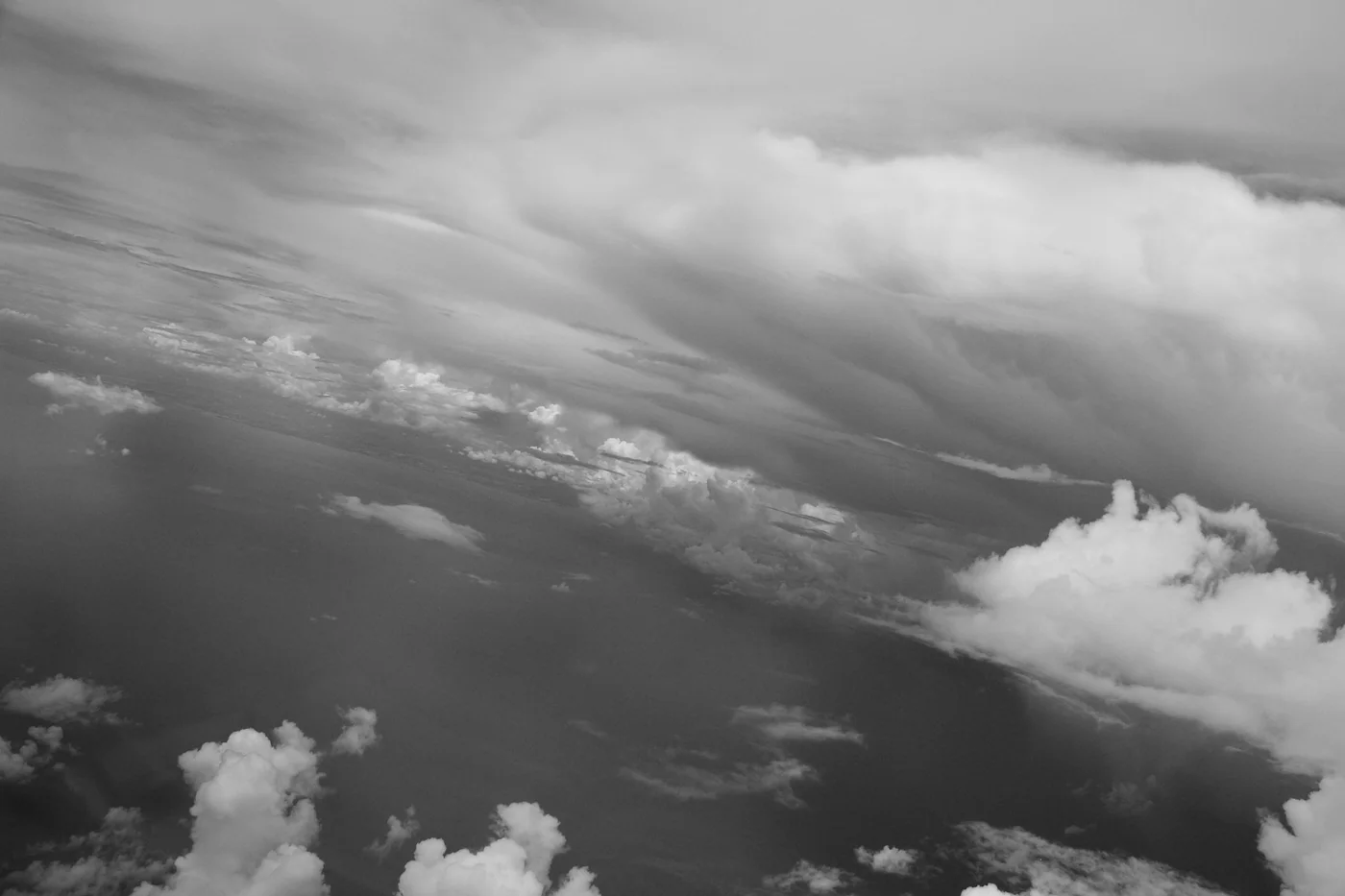
Archival reference photograph of storm clouds near Florida
Shawn from Airdrie, Canada
Source image · Image-use terms
Web versions are resized and compressed; attribution and applicable source terms are retained.
Frequently asked questions
Does a wetter winter outlook predict rain on my event date?
No. Seasonal probabilities and daily forecasts answer different questions. Use updated local forecasts and warnings for date-specific decisions.
Sources & further reading
Source links checked October 19, 2026. Rules and availability may change; verify current terms directly. Read our editorial standards.