Read this report alongside the linked primary sources. Distinguish the announced event from its potential effect on your business.
The September inflation reading
US consumer prices rose 0.6% in September on a seasonally adjusted monthly basis and 3.7% over the preceding year before seasonal adjustment, according to the Bureau of Labor Statistics release published October 14. Gasoline rose 9.1% during the month and accounted for more than half of the overall monthly increase. The release is a snapshot of a defined basket of consumer prices. It is not a measurement of every business’s input costs or every household’s expenses. Reviewing the monthly and annual figures together provides context, but neither should be silently substituted for the change in your own bills.
Separate price changes from spending changes
A useful household comparison keeps quantity and price separate. A larger fuel bill can reflect a higher price, more driving or both. Record the amount purchased alongside the payment so you can distinguish those effects. The same method works for a business reviewing deliveries, packaging or staff travel. Compare equivalent products and comparable periods before deciding that a supplier has become more expensive. If a contract includes a surcharge, record its calculation and review date separately from the base price. That produces a clearer discussion with the provider than asking for a blanket discount based on the headline inflation rate.
Use scenarios rather than a single forecast
For the next budget review, identify the expenses most sensitive to energy and the costs fixed by existing agreements. Test what happens if the sensitive categories remain elevated, then compare that result with a more moderate case. Keep the assumptions visible so a later invoice can confirm or challenge them. A national inflation report does not establish the timing of a future interest-rate decision, a guaranteed wage increase or the return on an investment. Its immediate practical value is helping readers ask better questions about exposure. The next data release should be compared with the same series and definitions, including any revisions or seasonal-adjustment differences.
Image source and usage
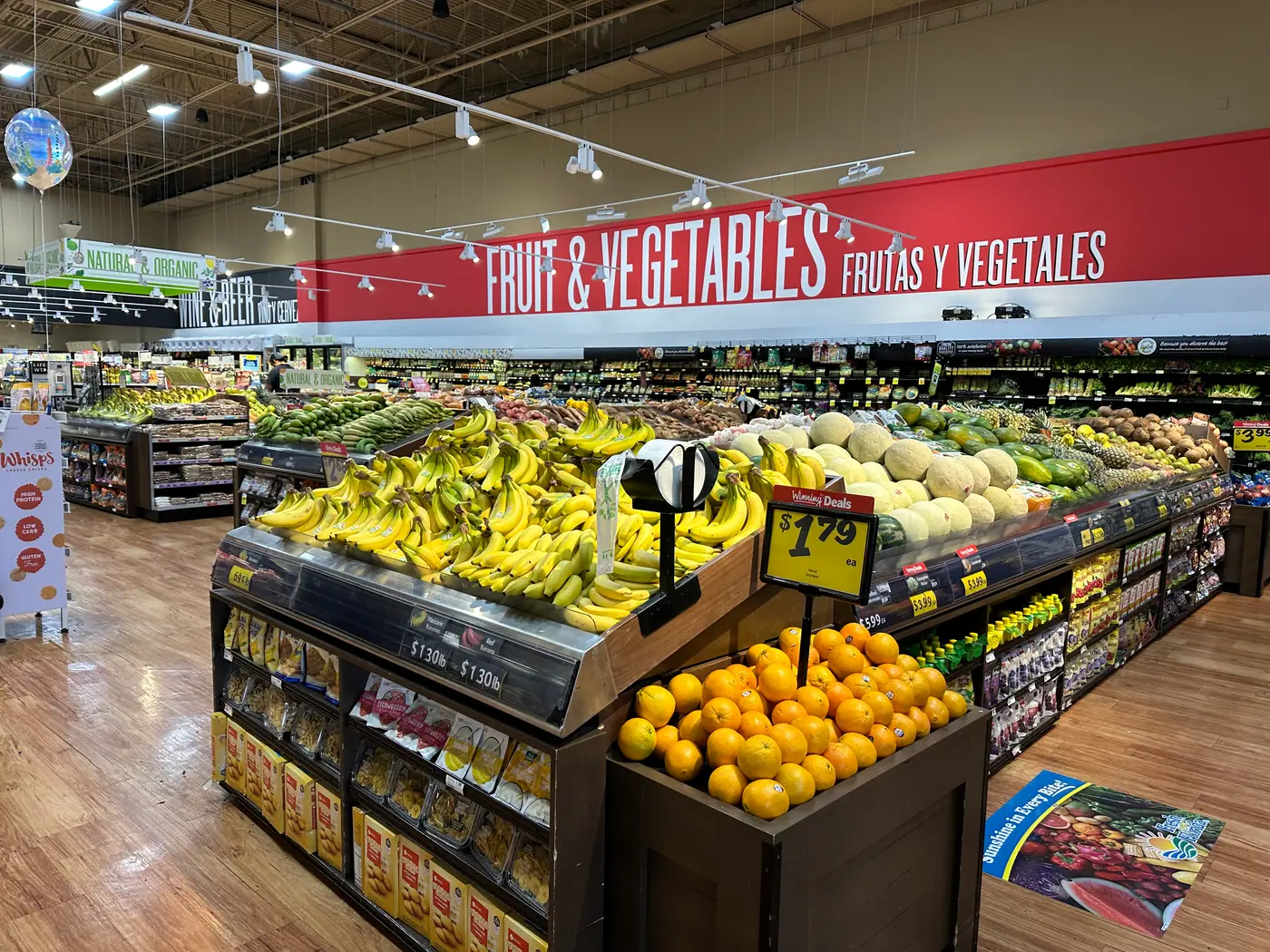
Archival reference photograph inside a Winn-Dixie supermarket in Miami, Florida
Phillip Pessar
Source image · Image-use terms
Web versions are resized and compressed; attribution and applicable source terms are retained.
Frequently asked questions
Does 3.7% describe every household’s inflation?
No. Personal costs depend on the goods and services purchased. Compare your own quantities and prices while keeping the official national measure as context.
Sources & further reading
Source links checked October 19, 2026. Rules and availability may change; verify current terms directly. Read our editorial standards.