Use the evidence and practical questions in this article to test your own assumptions. Any worked examples use hypothetical inputs.
The best Florida city depends on the life you want
Florida does not offer one interchangeable lifestyle. Living near Miami's international connections is a different decision from choosing a university city in North Florida, a Gulf Coast arts community or an inland family base. The best cities in Florida are the ones whose everyday opportunities match your work, housing budget and priorities after the vacation ends.
Our shortlist covers Miami, Tampa, Orlando, Jacksonville, St. Petersburg, Fort Lauderdale, Sarasota, Naples, Gainesville and Tallahassee. These are ten places worth comparing for different reasons, not a universal quality-of-life ranking. We reviewed official destination information and built a practical framework for checking housing, commutes, family needs and weather exposure. We have not assigned invented safety scores or declared an entire city affordable for every household.
Use the city descriptions to decide where to investigate. Then compare specific neighborhoods, employers and homes. A downtown apartment, an inland suburb and a waterfront condominium can have very different costs and daily routines within the same metropolitan area. The city name narrows the search; the address determines much of the experience.
Florida cities at a glance
Start with the reason for moving. If you need frequent international travel, an airport and the destinations it actually serves matter more than a broad claim about lifestyle. If you are raising children, the school assignment, childcare arrangements and commute matter more than a city's reputation for family friendliness. If you are retiring, recurring costs and access to the care you use deserve their own review.
The comparison below identifies a plausible starting point and a practical tradeoff for each city. The suggested fit is editorial judgment, not a promise about jobs, housing prices or personal outcomes. Use it to create a shortlist of two or three places, then collect comparable evidence for each. Comparing ten cities indefinitely is less productive than testing a few realistic options well.
Miami: international connections and urban energy
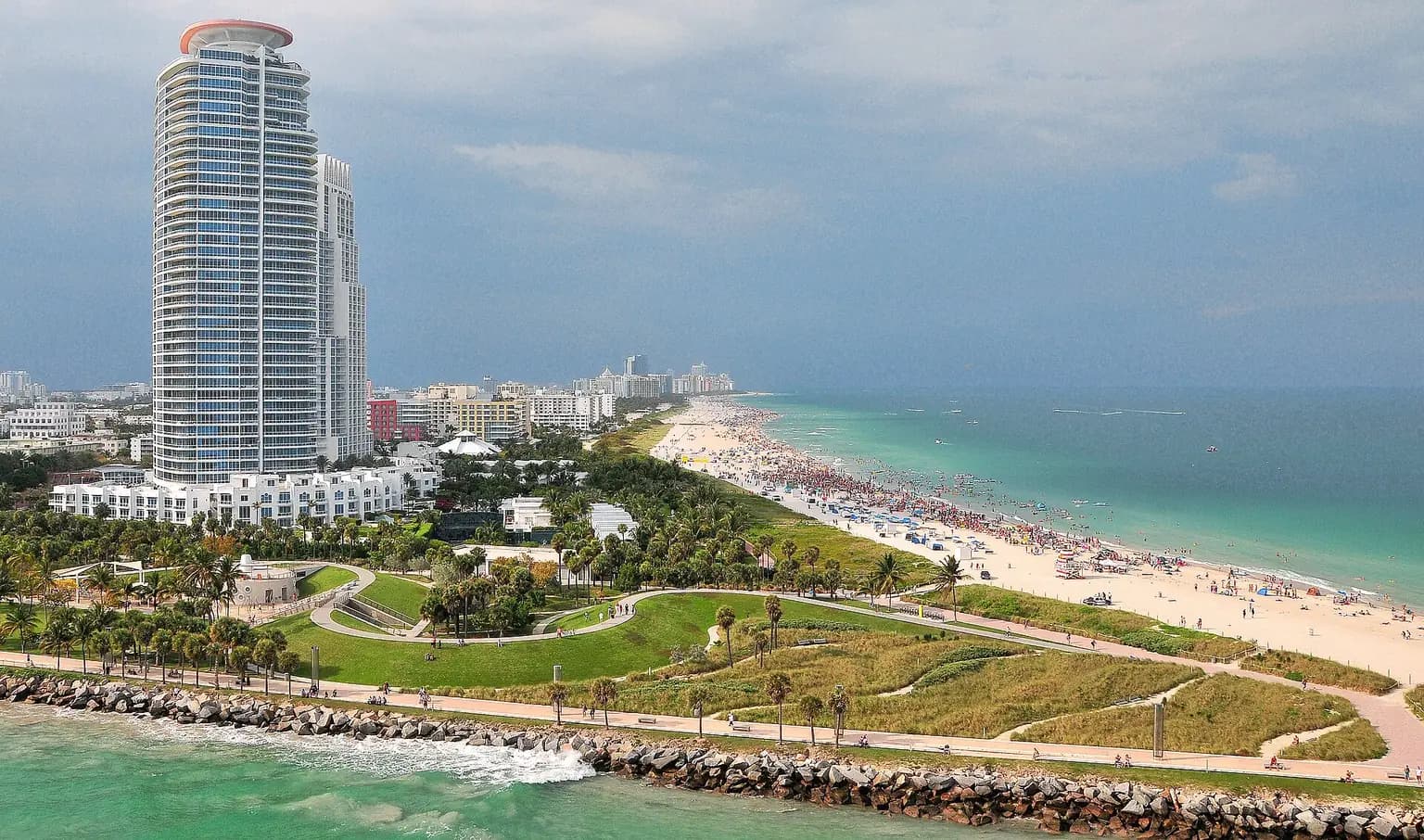
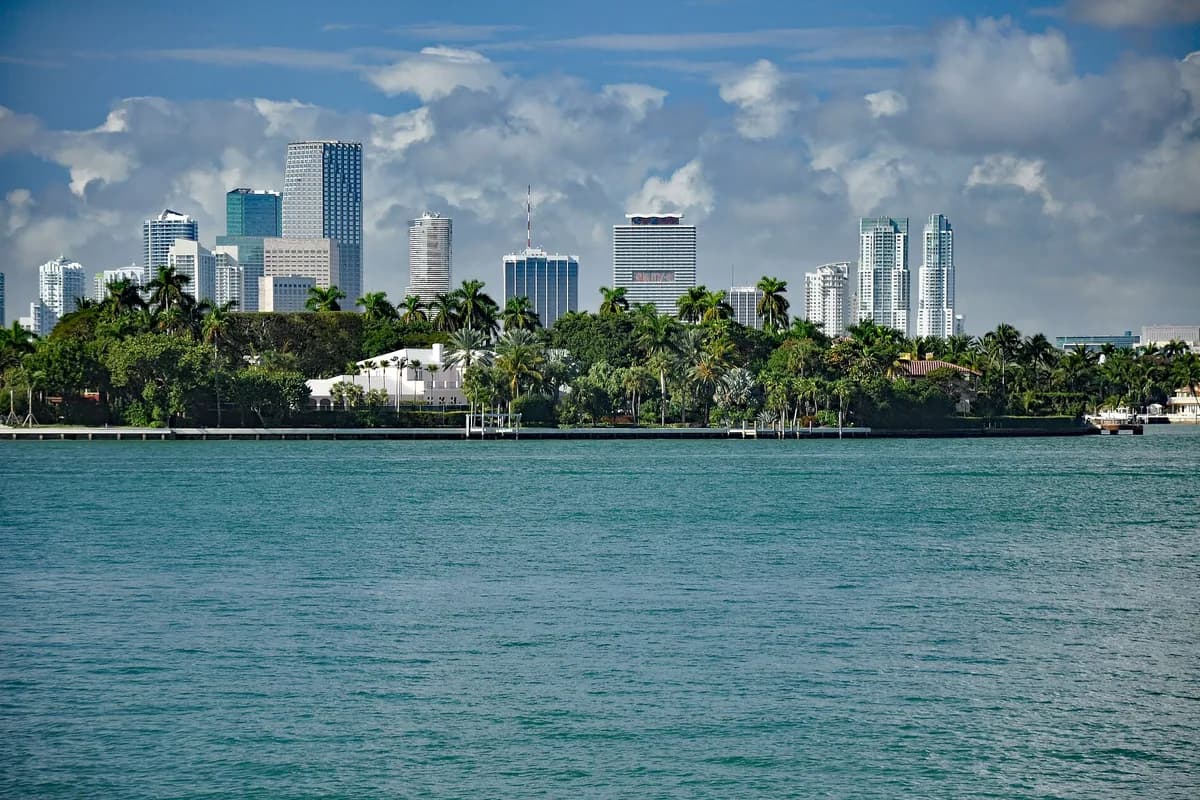
Miami is a strong candidate for people who value international travel, a diverse cultural calendar and urban neighborhoods. Official destination resources highlight Little Havana, Coconut Grove and the broader area's museums, dining and coastal attractions. Miami International Airport adds a practical reason to investigate the region if travel is central to your work or family life.
The important distinction is between visiting the Miami area and living at a particular address. Miami Beach, Coral Gables and other nearby municipalities are not interchangeable with the City of Miami. An attractive weekend itinerary does not establish a convenient weekday commute. Compare where you will work with where you can realistically afford to live.
Why choose it: you have a clear reason to use the region's connections and cultural options frequently. What to check: parking, the exact route to work, building charges, insurance and how your neighborhood functions outside tourist hours. A remote worker should test the home setup and normal errands, not just the view. Our Miami attractions and restaurant guides can help plan a scouting visit, while the housing decision requires a separate neighborhood review.
Miami: official destination guide · Local business resources
Plan a Miami scouting visit · Explore the Miami restaurant guide · Research Florida real estate contacts
Tampa: an urban base with a waterfront downtown
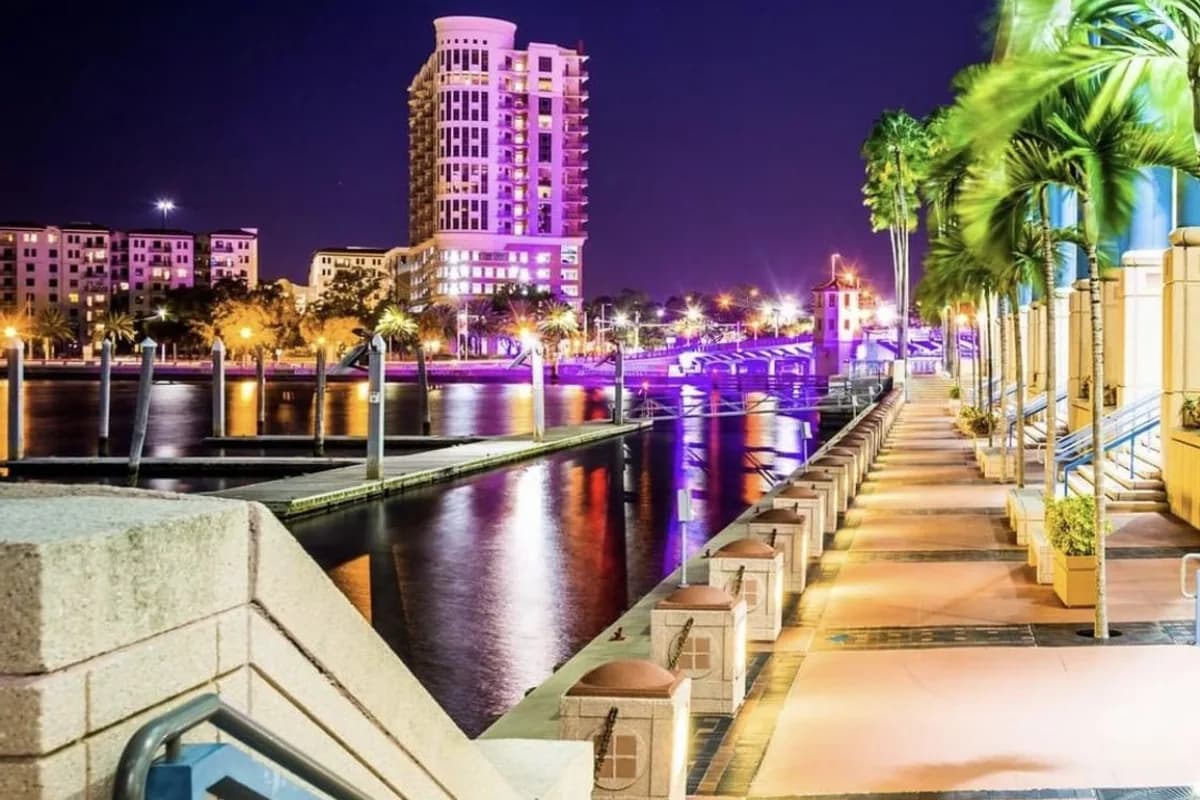
Tampa offers a downtown Riverwalk, parks, historic districts and a range of family attractions. VISIT FLORIDA points to the Riverwalk, the Florida Aquarium and the region's outdoor areas as reasons to explore it. For a prospective resident, the appeal is the possibility of combining a metropolitan routine with accessible recreation rather than treating beaches as the only reason to move.
Tampa Bay is a region, not a single commute. A job in Tampa and a home across the bay can create a very different daily schedule from a home close to the workplace. Map both directions during your actual travel window before choosing an address. A route that looks short on a weekend may not feel short during a workday.
Why choose it: you want to compare a city-centered lifestyle with nearby suburban options and you can identify a workable job or remote-work arrangement. What to check: neighborhood-specific housing costs, parking, the bridge or highway you would use, and whether your preferred activities are near enough for regular use. Treat a waterfront apartment and an inland family home as separate budget scenarios.
Tampa: official destination guide · Local business resources
Orlando: family activities with an inland-city routine
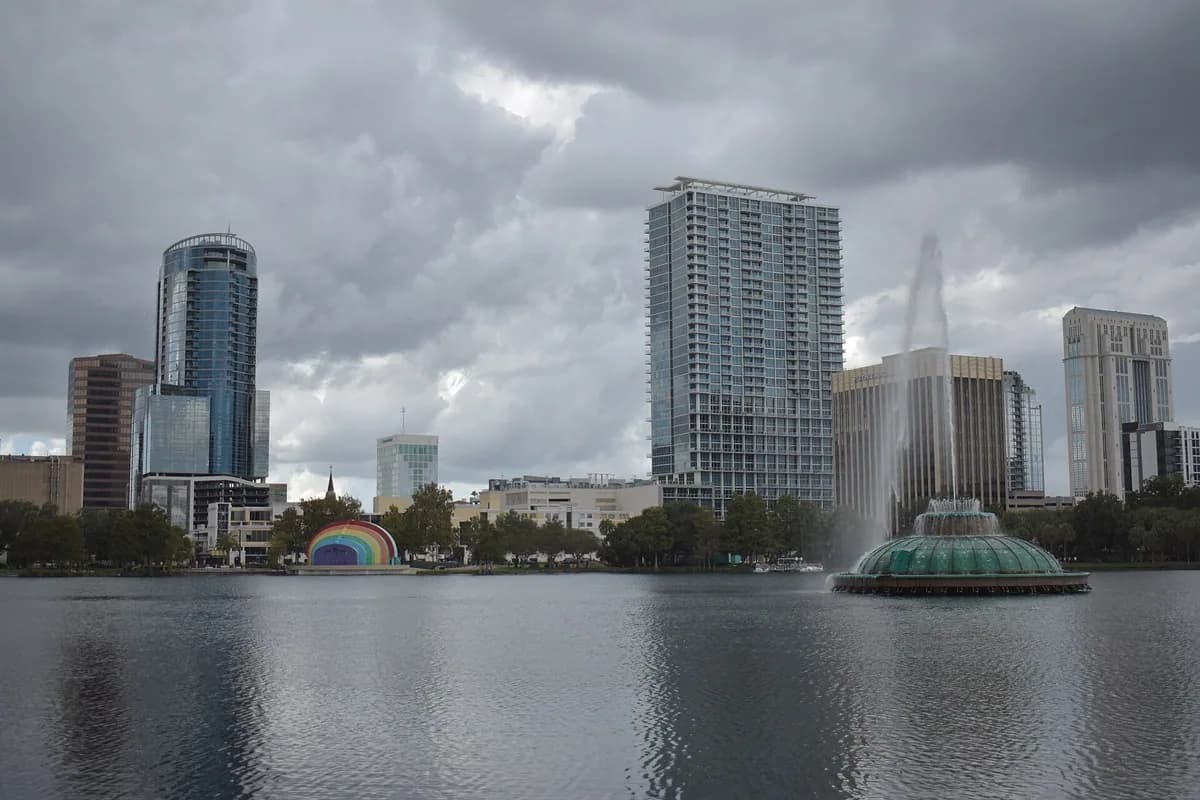
Orlando is widely associated with the surrounding region's theme parks, but a residential decision should include the city itself. Official destination information describes family activities, arts, museums and outdoor options alongside the major attractions. Lake Eola offers a useful downtown reference point when you begin exploring neighborhoods beyond the visitor corridors.
Living near Orlando does not mean living next to every attraction or avoiding every tourist-related delay. Compare the actual home, workplace and school routes. If your work depends on tourism or events, examine the specific employer, schedule and pay arrangement rather than treating visitor demand as a guaranteed personal opportunity.
Why choose it: you enjoy the region's family activities and have identified a neighborhood that supports ordinary weekdays. What to check: childcare or school assignment, the commute at shift-change times, tolls, air-conditioning costs and the distance to the places you expect to use. Someone who wants a daily beach routine should also consider that Orlando is inland; coastal trips need their own time and transport plan.
Orlando: official destination guide · Local business resources
Jacksonville: a river city that rewards careful location choices
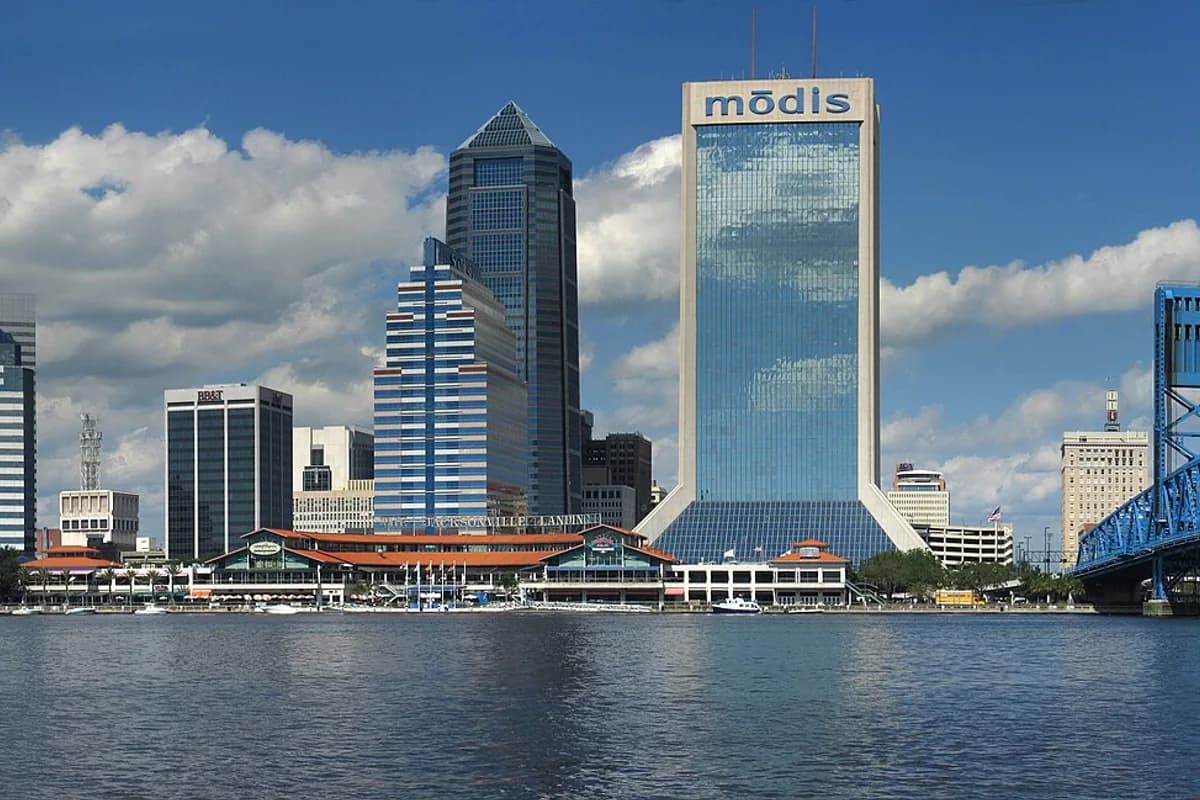
Jacksonville's official visitor resources highlight the St. Johns River, parks, outdoor activities and the broader area's beaches. Those features make it worth comparing if you want to combine metropolitan services with time outdoors. They also create a reason to investigate several parts of the area rather than choosing a home solely because the city appears on a shortlist.
The key planning issue is the geography of your daily life. River crossings, the location of work and the distance to your preferred recreation can matter more than the city label. Jacksonville Beach and other nearby beach communities have their own identities and municipal boundaries; confirm what a listing means when it advertises the Jacksonville area.
Why choose it: you can find a practical neighborhood-to-work pairing and prefer a river-and-outdoors routine to a dense coastal-city lifestyle. What to check: the actual commute, insurance quotes for the property, local services and the time needed to reach the coast. Do not declare the entire market inexpensive based on one appealing listing. Compare current homes with similar size, condition and transport needs in each city you are considering.
Jacksonville: official destination guide · Local business resources
St. Petersburg: arts, a waterfront and a neighborhood question
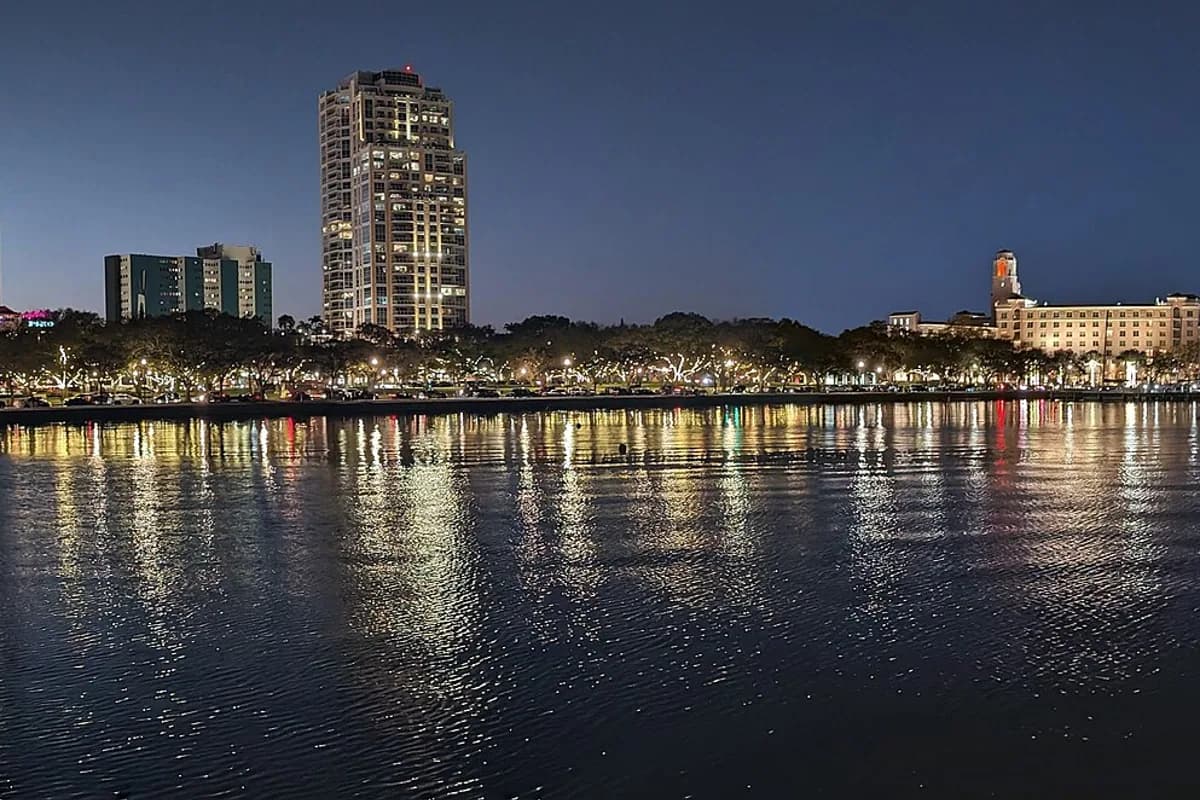
St. Petersburg offers a downtown waterfront, the St. Pete Pier and an arts scene that includes the Dalí Museum. Official destination information also points to parks and the surrounding region's beach options. It deserves a place on a shortlist for readers who want cultural activities and a recognizable city center alongside access to Tampa Bay.
St. Petersburg and St. Pete Beach are different municipalities. A home close to downtown, a home near a beach community and a home chosen for a Tampa commute can produce different daily tradeoffs. A neighborhood that feels walkable for an afternoon visit may still require a car for your full work and household routine.
Why choose it: you expect to use the waterfront and cultural options regularly and can support the housing cost of the specific neighborhood you like. What to check: flood and evacuation information for the address, building maintenance responsibilities and cross-bay travel if work is in Tampa. Evaluate an older detached house and a condominium separately; purchase price alone does not describe their recurring costs or upkeep.
St. Petersburg: official destination guide · Local business resources
Fort Lauderdale: waterways and a South Florida base
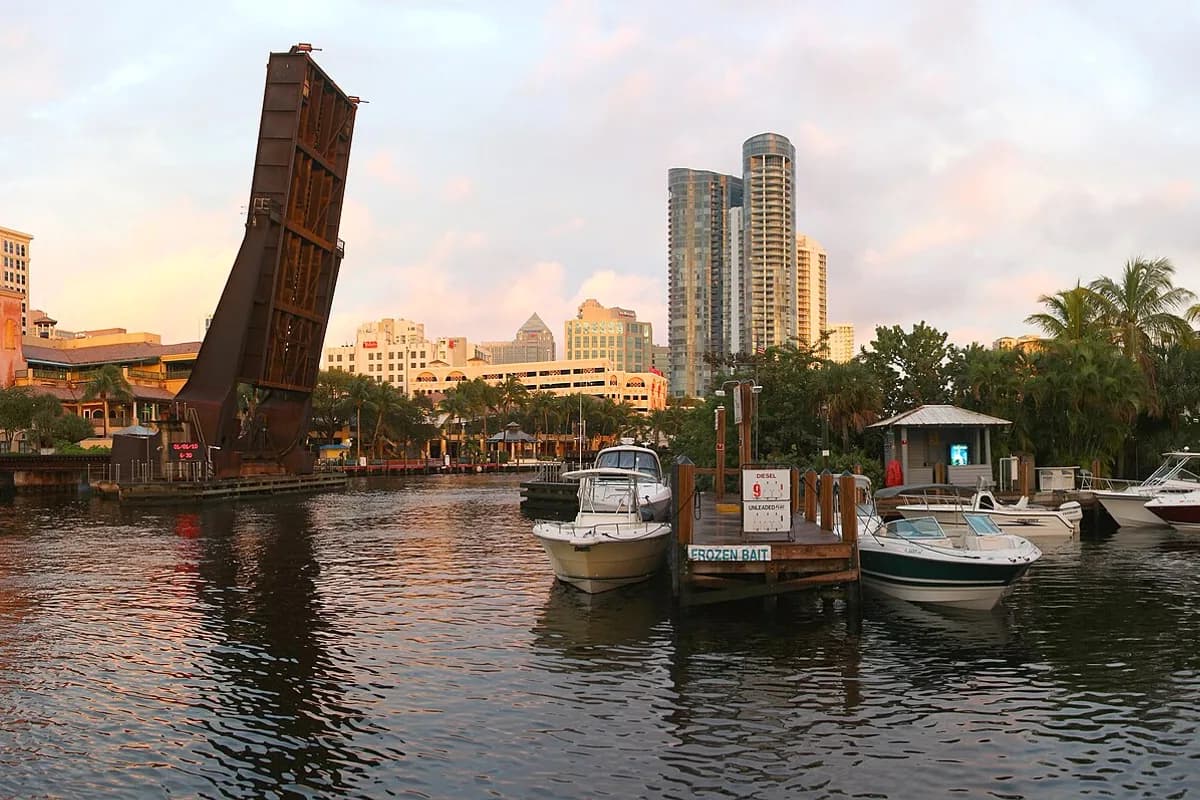
Fort Lauderdale's waterways, Riverwalk, Las Olas area and access to the broader region's beaches give it a distinctive coastal identity. Official resources describe museums, performances and outdoor activities as well as boating. It is worth investigating for people who want a South Florida base and find the city's location useful for their work, travel or leisure routines.
The decision should not rest on a postcard view of a canal. Waterfront living creates specific questions about the property, insurance, maintenance and access. Even if you never own a boat, the location of bridges, major roads and everyday services can affect your routine. Test the route you would use rather than assuming every South Florida destination is conveniently nearby.
Why choose it: the city fits your actual travel and coastal interests better than an alternative farther north or south. What to check: parking, airport routes, neighborhood noise, property-level weather exposure and the cost of services you use regularly. If your job is in Miami, compare the full commute before treating Fort Lauderdale as a simple substitute for living closer to work.
Fort Lauderdale: official destination guide · Local business resources
Sarasota: arts and a Gulf Coast lifestyle
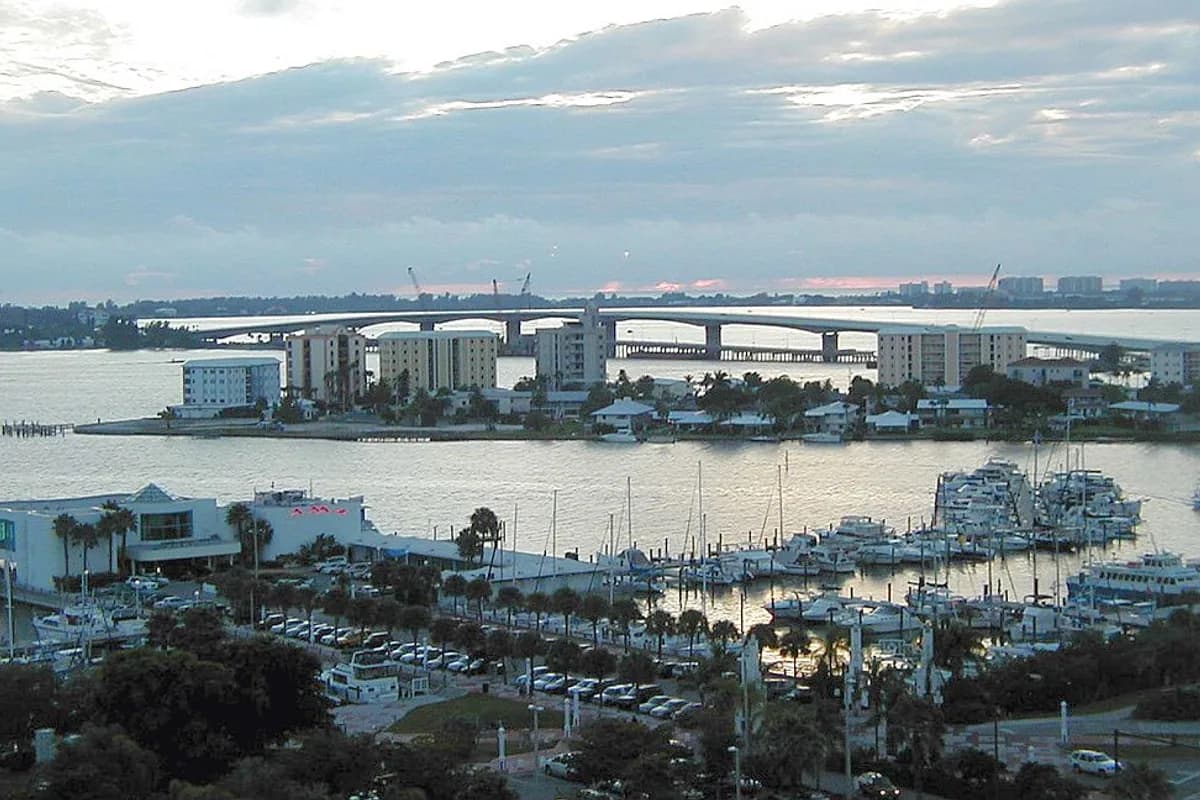
Sarasota is a useful candidate for people who value museums, performances and coastal recreation. VISIT FLORIDA highlights the Ringling, galleries and the area's theater and ballet offerings. The city provides a different starting point from a destination chosen mainly for nightlife or major theme parks: cultural activities can form part of an ordinary weekly routine.
Sarasota, nearby islands and the wider county should be compared at the neighborhood level. Proximity to a beach can be attractive, but it does not answer questions about work, groceries, healthcare or seasonal traffic. A location that is ideal for a short holiday may be less convenient for your everyday commitments.
Why choose it: the arts-and-coast combination reflects activities you will actually use. What to check: current housing options, recurring building or association costs, the route to medical providers and the effect of seasonal demand on your normal outings. Retirees should verify access to their required care and insurance network rather than assuming a city with a retirement reputation meets every medical or financial need.
Sarasota: official destination guide · Local business resources
Naples: a coastal option that requires a complete housing budget
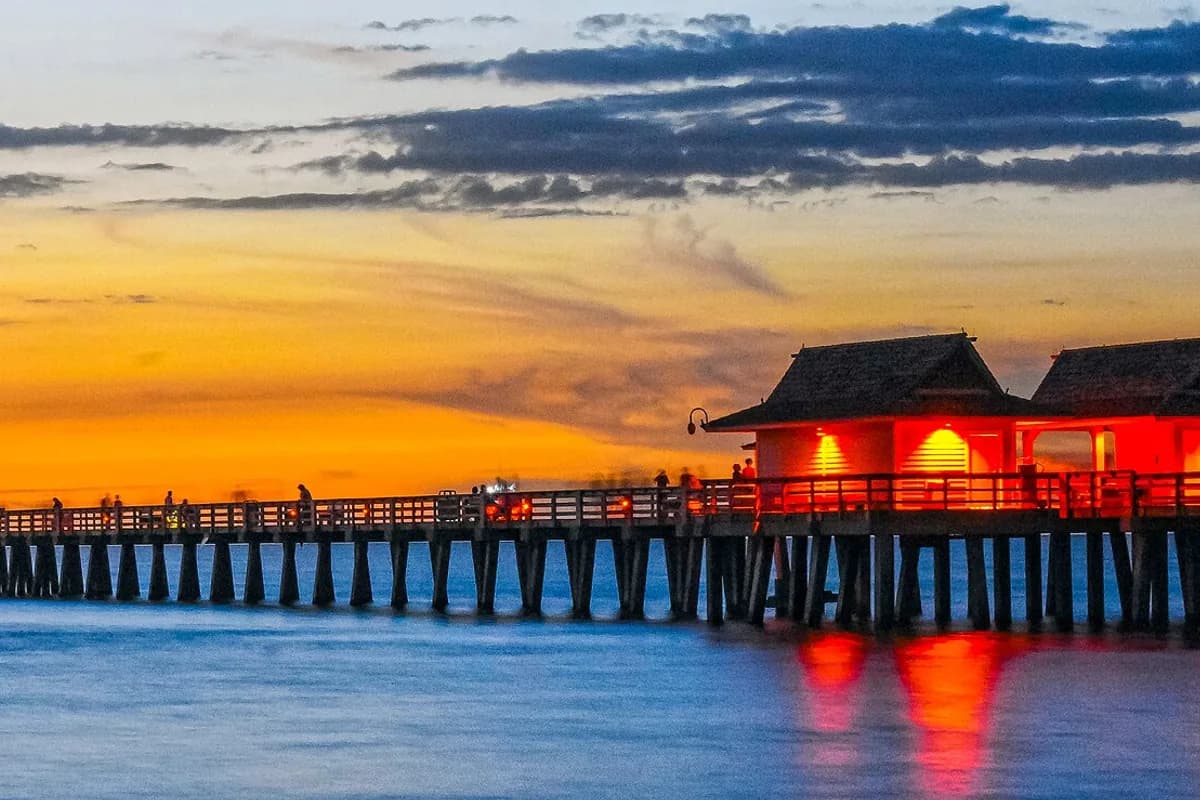
Naples offers beaches, a compact shopping and dining core around Fifth Avenue South and Third Street South, and access to Southwest Florida's outdoor destinations. Official tourism information emphasizes arts, dining and nature excursions. Those features can make it attractive to someone seeking a coastal routine and a relatively focused set of leisure priorities.
The right question is whether you can support the exact property and lifestyle you want through the full year. A condominium, a detached house and a seasonal rental have different obligations. Do not infer affordability, financial suitability or a guaranteed investment return from the area's reputation or an appealing photograph.
Why choose it: you have a realistic recurring budget and a reason to prioritize the coast, dining and outdoor activities. What to check: association documents, maintenance responsibilities, insurance, access to services and seasonal availability. Check current public-beach and pier access before planning a visit; archival scenic photography does not establish that a structure is open today. For retirement, include a workable healthcare and family-travel plan in the comparison.
Gainesville: a university-city alternative

Gainesville's identity is closely connected to the University of Florida. Official visitor resources point to museums, galleries, gardens and nearby springs as reasons to explore North Central Florida. It deserves consideration if you want a university-city environment rather than choosing Florida exclusively for oceanfront living.
Your fit will depend on the connection between your work, housing and the university-related calendar. A student, a university employee and a remote worker can have different needs even when they choose the same city. Visit the neighborhood at ordinary weekday times and consider the effect of academic terms and major events on parking, noise and availability.
Why choose it: the university environment or nearby outdoor options support your goals, and you have confirmed a viable income and housing arrangement. What to check: the current job or study opportunity, lease terms, commute and location of essential services. An inland address is still worth checking for flood exposure and weather preparation. Do not substitute a college-town label for an address-specific assessment of schools or safety.
Gainesville: official destination guide · Local business resources
Tallahassee: government, universities and North Florida character

Tallahassee is Florida's state capital and is home to Florida State University and Florida A&M University. Official destination resources also highlight trails, parks, arts and historic sites. It is a logical place to investigate if your work or study plans connect to government, education or the city's institutions, or if you prefer a North Florida setting.
The appeal is different from a daily beach lifestyle. Compare the city with the opportunities you would actually use rather than expecting it to reproduce the experience of South Florida. A role at a particular employer, a degree program or a well-defined remote-work arrangement is a stronger starting point than a general claim that a city offers opportunity.
Why choose it: you have a credible connection to the city's institutions or enjoy its inland setting and outdoor activities. What to check: neighborhood access to work or campus, the lease or purchase budget, event-related traffic and your travel needs. A capital-city address does not guarantee stable employment, inexpensive housing or immunity from severe weather; each assumption needs its own evidence.
Tallahassee: official destination guide · Local business resources
Miami versus Tampa, and Tampa versus Orlando
Miami versus Tampa is best approached through the opportunity you are moving toward. If your work and family travel rely on Miami's specific connections, living somewhere cheaper but poorly connected may not solve your problem. If Tampa offers the job, neighborhood and routine you prefer, paying for an unused Miami lifestyle may not be worthwhile. Compare the actual offer, housing choices and recurring travel costs rather than trying to settle a universal winner.
Tampa versus Orlando also depends on the household. Tampa may be a starting point for a bay-area urban routine; Orlando may be attractive if the inland location and surrounding family activities fit your plans. Work routes, schools, childcare and the housing you can obtain will decide more than the cities' visitor slogans. Both require a full budget and property-level weather review.
Choose the same test for each city: collect three comparable homes, identify the job or income arrangement, drive the likely commute and price the unavoidable monthly costs. If one city wins only because you have researched it more carefully, the comparison is not finished. The purpose is a defensible personal choice, not a headline winner.
Compare Florida's cost of living with an address-based budget
An affordable Florida city is one where your reliable income covers your actual household costs with enough room for uncertainty. Start with current rent or a realistic mortgage estimate, then add insurance, utilities, association charges where applicable, transport, childcare and healthcare. Citywide averages cannot tell you the condition of the property, the lease's charges or the commute you are accepting.
Consider a hypothetical move where quoted housing is $2,200 a month, utilities are $250 and transport is $450. Those three items already total $2,900 before food, healthcare, childcare, insurance not included in housing and irregular expenses. If a second location reduces housing by $200 but adds $250 in transport, it is $50 more expensive on those categories. This is an arithmetic example, not a Florida market-price estimate.
Build a second scenario for a less comfortable year: higher recurring costs, a delayed paycheck or an unexpected repair. Renters should check renewal conditions and their own coverage needs. Buyers should verify property taxes and exemptions applicable to their circumstances instead of assuming the seller's bill will become their bill. Obtain current quotes and appropriate advice before committing.
Families, retirement and choosing a neighborhood
The best places to live in Florida for families depend on the age of the children and the household's schedule. Check school attendance boundaries through the relevant district using the exact address. Visit childcare providers, confirm availability and fees, and calculate the combined work-and-school route. A short commute for one adult can still create a difficult family day if pickup requires a second long journey.
For retirement, begin with the services you need year-round: healthcare providers, pharmacy access, transport, friends or family and a manageable home. Check your insurance network directly and consider what happens if driving becomes less convenient. A beach view is an amenity; a workable daily support system is an operating requirement.
Avoid treating a city's reputation as evidence that every neighborhood is safe, every school is suitable or every listing is fairly priced. Consult relevant local records and professionals, visit at several times of day and compare your own requirements. This article intentionally does not invent a safest-city ranking or a school-quality score.
Hurricane risk, flood exposure and insurance
Florida's appeal should be assessed alongside property-level weather exposure. The Florida Office of Insurance Regulation explains that flood damage is not typically covered by a homeowners policy; separate coverage or an appropriate endorsement may be needed. A location being inland does not replace a flood-risk check, and a citywide label is not an insurance quote.
Use FEMA's official Flood Map Service Center to investigate the address, then review local evacuation information, the property's condition and the coverage proposed by an insurer. Map classifications serve a specific purpose and do not predict every possible loss. Ask about wind and flood coverage, deductibles, waiting periods and exclusions in the policy offered to you.
Before renting or buying, include the cost of preparation and a practical response plan. Know where you would obtain official alerts and how you would handle disruption to work, transport or essential care. An attractive property should still pass the same checks you would apply to a less photogenic one.
Plan a scouting trip before moving to Florida
Use your trip to simulate an ordinary week. Visit the workplace or campus, grocery store, school route and the neighborhood after dark as well as during the day. Spend time in more than one part of the city. Ask whether the activities that persuaded you to visit would remain convenient once you are working and managing a household.
Keep a comparison record with a source, date and next action for each unresolved question. Do not give a listing the status of an available home until you have confirmed the terms. Do not treat a job advertisement as an offer. Distinguish the parts of your plan supported by evidence from the parts that are still preferences or assumptions.
Florida can be an excellent fit when the city, neighborhood and budget reinforce one another. The strongest shortlist is usually small: a few places where you can describe a plausible weekday, support the housing and use the amenities you value. Use the worksheet to make those tradeoffs visible before turning a destination into your next home.
The working notebook
Your Florida relocation comparison worksheet
Compare two or three realistic neighborhoods using the same household assumptions. Record actual quotes with their dates. City averages and visitor impressions are useful context, but they cannot replace the budget and services available at your chosen address.
Questions to resolve before acting
- Am I comparing similar homes and the same household budget?
- Which attractive amenity will I use every week?
- What remains an assumption rather than a confirmed arrangement?
Download the working worksheet
The worksheet is an editable CSV for your own records. Examples are hypothetical, not quotes, promised returns or eligibility decisions. Keep sensitive information on your own device.
Frequently asked questions
What are the best cities to live in Florida?
Miami, Tampa, Orlando, Jacksonville, St. Petersburg, Fort Lauderdale, Sarasota, Naples, Gainesville and Tallahassee offer different starting points. The right choice depends on your income, neighborhood, commute and household needs; this guide does not assign a universal ranking.
Where should families start their Florida city search?
Compare a few realistic neighborhoods in cities that fit the adults’ work arrangements. Verify schools by exact address, childcare availability, costs and pickup routes. Orlando’s family attractions and Tampa’s recreation can be appealing, but amenities alone do not settle a residential decision.
Which Florida cities should retirees compare?
Sarasota and Naples may appeal to readers seeking arts and coastal recreation. Other cities can fit different budgets and support needs. Compare current housing costs, year-round services, transport and your actual healthcare network before choosing.
What is the most affordable place to live in Florida?
This guide does not declare a statewide affordability winner. Compare current homes of similar size and condition, then add insurance, utilities, transport, childcare and healthcare. A lower advertised rent can be offset by a more expensive commute.
Is Miami or Tampa better for moving to Florida?
Choose based on the opportunity and routine you would use. Compare the specific job or income plan, housing options, airport needs, commute and recurring costs. Neither city is the better choice for every household.
Does an inland Florida city eliminate flood risk?
No. Check the exact address through official flood information, local evacuation resources and an insurer. Flood damage is not typically covered by a standard homeowners policy; review the proposed coverage and any separate policy or endorsement.
Are these Florida cities also good places to visit?
They have different visitor attractions, but a vacation is not a full test of living there. Use a scouting trip to try work routes, errands and neighborhoods as well as the sights. Check current opening hours and public-access conditions.
Photography credits & licenses
- miami · Photograph by P. Hughes · CC BY 4.0. Resized and cropped; adaptations retain the source license.
- tampa · Photograph by Eric Statzer · CC BY-SA 4.0. Resized and cropped; adaptations retain the source license.
- orlando · Photograph by JER3L1337 · CC BY 4.0. Resized and cropped; adaptations retain the source license.
- jacksonville · Photograph by “Jon Zander (Digon3)” · CC BY-SA 3.0. Resized and cropped; adaptations retain the source license.
- st petersburg · Photograph by Eden, Janine and Jim · CC BY 2.0. Resized and cropped; adaptations retain the source license.
- fort lauderdale · Photograph by Ianaré Sévi · CC BY-SA 3.0. Resized and cropped; adaptations retain the source license.
- sarasota · Photograph by Roger from Sarasota, Florida, U.S.A. · CC BY-SA 2.0. Resized and cropped; adaptations retain the source license.
- naples · Photograph by Charles Patrick Ewing · CC BY 2.0. Resized and cropped; adaptations retain the source license.
- gainesville · Photograph by Rbrko · CC BY-SA 4.0. Resized and cropped; adaptations retain the source license.
- tallahassee · Photograph by Riis2602 · CC BY-SA 4.0. Resized and cropped; adaptations retain the source license.
Sources & further reading
- VISIT FLORIDA — Miami official destination guide
- VISIT FLORIDA — Tampa official destination guide
- VISIT FLORIDA — Orlando official destination guide
- VISIT FLORIDA — Jacksonville official destination guide
- VISIT FLORIDA — St. Petersburg official destination guide
- VISIT FLORIDA — Fort Lauderdale official destination guide
- VISIT FLORIDA — Sarasota official destination guide
- VISIT FLORIDA — Naples official destination guide
- VISIT FLORIDA — Gainesville official destination guide
- VISIT FLORIDA — Tallahassee official destination guide
- Florida Office of Insurance Regulation — Flood insurance
- FEMA — Flood Map Service Center
Source links checked October 12, 2026. Rules and availability may change; verify current terms directly. Read our editorial standards.