Use the evidence and practical questions in this article to test your own assumptions. Any worked examples use hypothetical inputs.
Lisa Su’s leadership at AMD
AMD identifies Lisa Su as its chair and chief executive officer. Its governance biography states that she joined the company in 2012, became CEO in 2014 and chair in 2022. Semiconductor leadership involves products with long development and adoption cycles. That makes AMD a useful case for examining a common US business problem: committing money to technology that must remain useful after the purchasing moment. This profile draws leadership facts from AMD’s official materials. The equipment-selection framework is independent editorial analysis, not a claim that Su has advised Motenza readers or endorsed a particular business purchase.
Translate specifications into useful work
Processor comparisons become meaningful when the test resembles the application the company runs. A larger core count can help one workload while memory bandwidth, storage or software licensing limits another. Ask the vendor for a benchmark using the actual application version and realistic file sizes. Record whether the result depends on a particular operating system or paid software tier. Then compare complete systems rather than isolated components. Cooling, power, warranty response and the ability to obtain replacement parts can influence working cost more than a small difference in a headline performance score.
Manage the replacement decision over time
Suppose a team replaces a working server because a benchmark promises faster processing, but its nightly jobs already finish before staff arrive. The speed improvement may have little operating value. A stronger case could come from reliability, supported software or lower maintenance exposure. Write down the current bottleneck, the proposed improvement and the evidence that would prove success. Include a migration test and a fallback window. Review the outcome after normal use rather than treating installation as completion. This approach keeps hardware buying connected to the business’s constraints and avoids automatically equating a newer processor with a better investment.
- Use application-level tests with the same input files.
- Include power, support, migration and licensing assumptions.
- Replace a demonstrated constraint rather than a device’s age alone.
Image source and usage
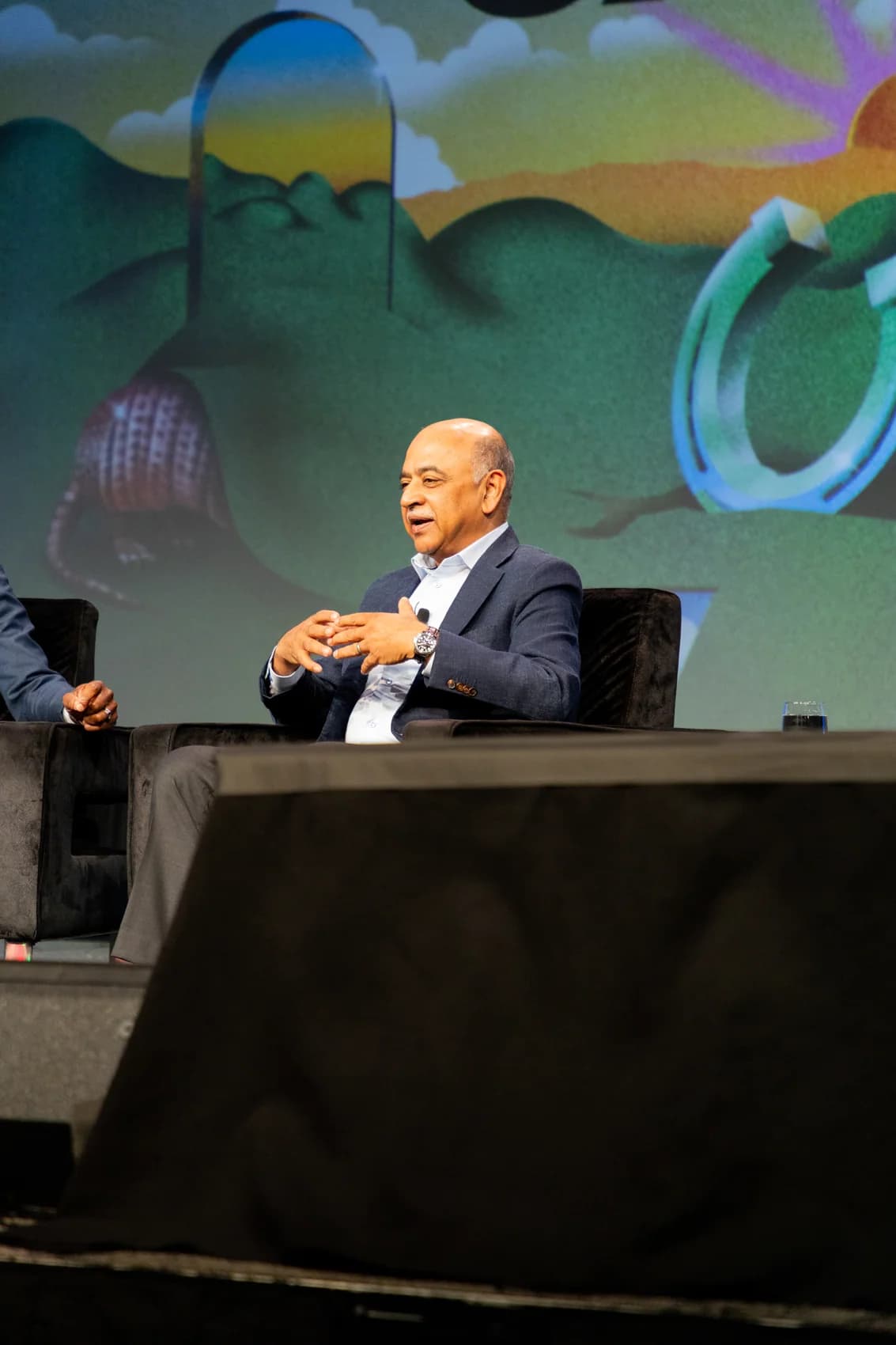
Lisa Su speaking at SXSW in 2024
Fuzheado
Source image · Image-use terms
Web versions are resized and compressed; attribution and applicable source terms are retained.
Frequently asked questions
Is this investment research about AMD shares?
No. It is an editorial leadership profile and an equipment-purchasing framework.
Are processor specifications enough to compare systems?
No. The application, memory, storage, licensing, support and complete system cost also matter.
Sources & further reading
Source links checked October 20, 2026. Rules and availability may change; verify current terms directly. Read our editorial standards.