Use the evidence and practical questions in this article to test your own assumptions. Any worked examples use hypothetical inputs.
Read the actual warranty before assuming coverage
A warranty is a set of terms, not a promise that every failure will be repaired at no cost. Record the seller, purchase date, model, serial number and warranty document before a device fails. FTC guidance explains federal consumer warranty rules and their limits; its business guide notes that the Magnuson-Moss Warranty Act does not apply to products sold for resale or commercial purposes. A US business should therefore not assume that every consumer protection applies identically to its equipment purchase. Review the contract and applicable rules for the actual transaction with appropriate advice when needed.
Compare repair, replacement and interruption
Ask for a written diagnosis and itemized quote, including parts, labor, shipping, tax and any diagnostic fee. Clarify whether the charge changes if the repair cannot be completed. Compare expected downtime and the availability of a loaner or spare device. A low repair price can still be expensive if the business loses essential working time. Check the warranty on the repair itself and the provider’s process for handling customer information. Keep the old device controlled until records are preserved and any storage media is handled appropriately.
Prepare a repair handover that protects records
Back up required business information and confirm the recovery method before handing over a device. Ask the administrator to remove unnecessary access and follow a documented data-protection procedure. Record the condition of the equipment and what was included in the shipment. After return, verify the repair, security updates and essential applications before restoring ordinary use. A hypothetical replacement decision should consider remaining useful life as well as the repair quote. Store the service record with the asset register so repeated faults can inform the next purchase. That evidence is more useful than assuming all devices should always be repaired or always replaced.
- Keep purchase and warranty evidence with the asset record.
- Compare the complete repair cost and time without service.
- Protect data and verify the device before resuming work.
Image source and usage
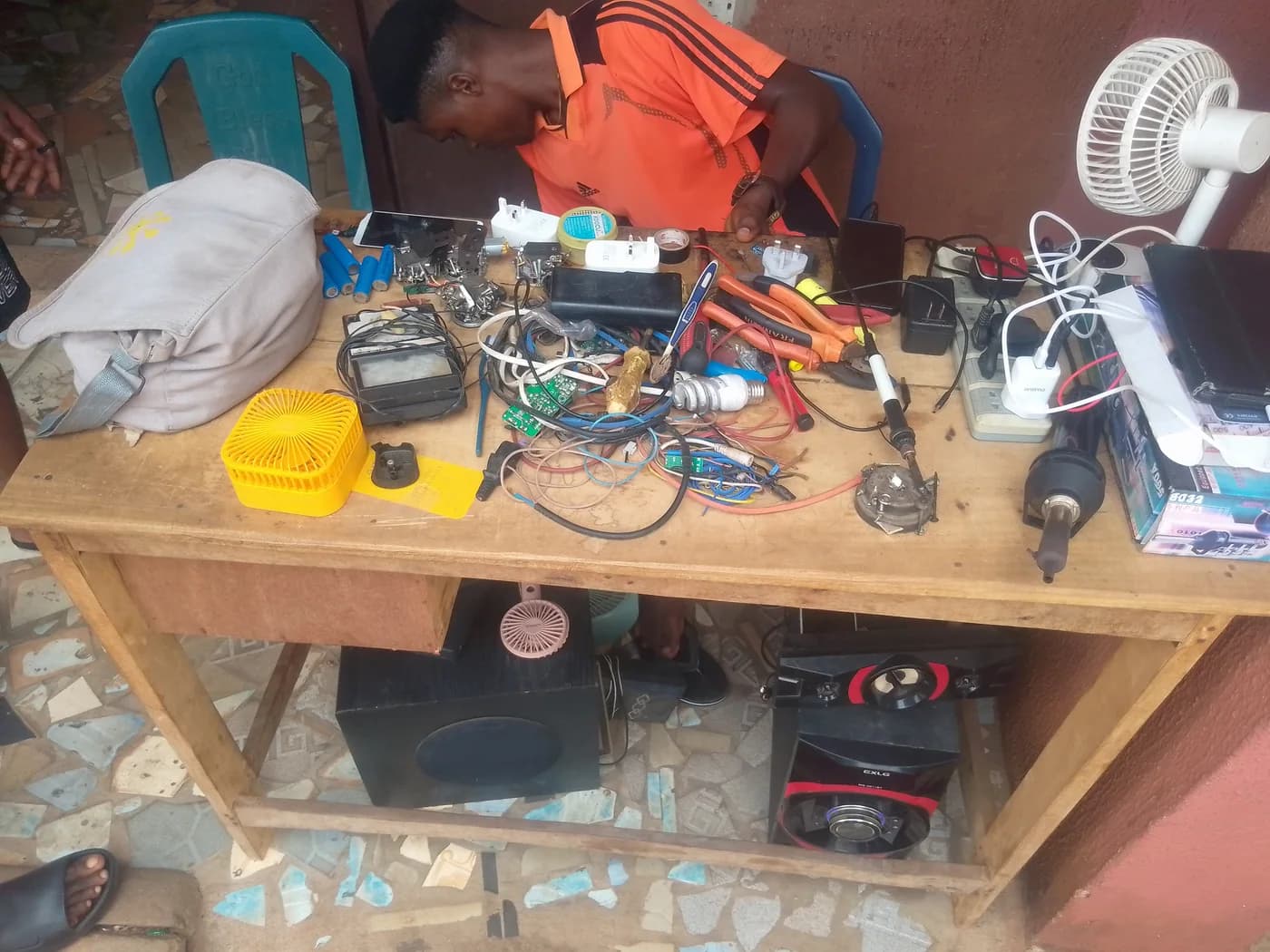
An electronics repair workbench with test equipment
10kdollz
Source image · Image-use terms
Web versions are resized and compressed; attribution and applicable source terms are retained.
Frequently asked questions
Do federal consumer warranty rules apply to every commercial purchase?
No. Review the transaction, contract and applicable law; FTC guidance identifies important limits.
Should a device be backed up before repair?
Preserve required records and verify recovery under an approved procedure before handover.
Sources & further reading
- Businessperson's Guide to Federal Warranty Law | Federal Trade Commission
- FTC Warns Companies to Stop Warranty Practices That Harm Consumers’ Right to Repair | Federal Trade Commission
Source links checked October 20, 2026. Rules and availability may change; verify current terms directly. Read our editorial standards.