Use the evidence and practical questions in this article to test your own assumptions. Any worked examples use hypothetical inputs.
A second supplier is not automatically a second route
Dual sourcing means deliberately maintaining more than one workable source for a needed input. It can reduce some dependencies, but a second company name does not prove an independent supply chain. Both suppliers may use the same factory, component, port or carrier. Ready.gov business continuity resources and Trade.gov logistics guidance provide useful planning context. For a US small business, start with the input whose interruption would stop useful work. Define the required specification, normal consumption and the time available before a shortage becomes critical. Do not expand sourcing complexity without identifying the operational risk it is intended to address.
Qualify a usable alternative
Compare specifications, quality evidence, capacity, lead times, payment terms and the complete landed cost. Ask where the alternative source’s critical dependencies overlap with the primary route. Run a controlled sample or pilot order and test it in the actual process. A component that looks equivalent may require a production adjustment, customer approval or a different compliance review. Record those conditions before calling the supplier ready. Keep the alternative’s contact, ordering method and agreed commercial terms current so a dormant relationship can be activated without rebuilding it during a crisis.
Balance resilience with inventory and cash
A hypothetical firm can split orders, retain an approved backup or hold selected safety stock, but each choice ties up different cash and management effort. Compare those options using the time needed to switch and the consequence of a stoppage. Avoid treating every item as equally critical. Review the backup after material changes in product, factory or transport route and occasionally verify that it still works. The useful outcome is demonstrated continuity for the important input, not a spreadsheet listing many untested vendors. Keep the decision owner and trigger for activating the alternative clear enough that staff can act when normal supply fails.
- Identify critical inputs and shared upstream dependencies.
- Test the alternative in a real controlled workflow.
- Balance switching time, inventory, cash and maintenance effort.
Image source and usage
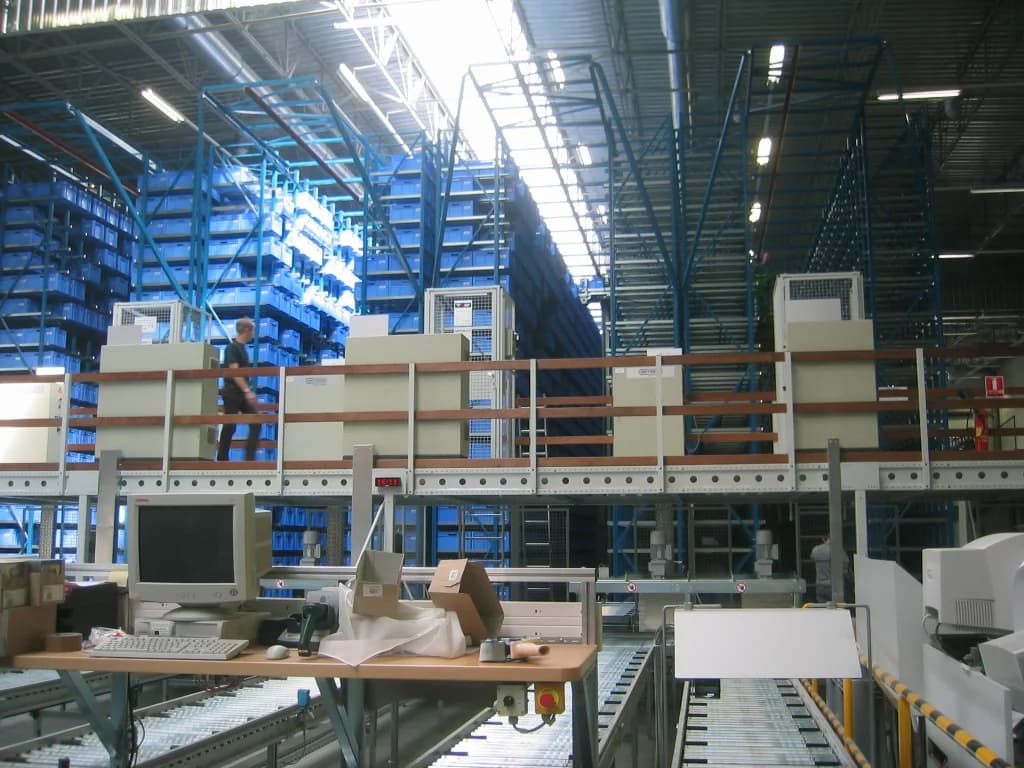
An automated small-parts warehouse, shown as an inventory reference
Photo: Andreas Praefcke
Source image · Image-use terms
Web versions are resized and compressed; attribution and applicable source terms are retained.
Frequently asked questions
Do two supplier names prove independent supply?
No. Review factories, components, locations and transport dependencies.
Should every input have the same backup strategy?
No. Prioritize by interruption impact, switching time, quality requirements and cash constraints.
Sources & further reading
Source links checked October 20, 2026. Rules and availability may change; verify current terms directly. Read our editorial standards.