Use the evidence and practical questions in this article to test your own assumptions. Any worked examples use hypothetical inputs.
Verify the inspector and the agreed scope
A Florida home inspection is a defined professional service, not a guarantee about every hidden condition. Check the inspector’s license through DBPR and read the inspection agreement before the appointment. Ask which systems and areas will be examined, what is inaccessible and which specialist services are excluded. A general inspection should not be assumed to include every insurance report, termite evaluation, sewer scope, engineering assessment or environmental test. Match the assignment to the property rather than purchasing a bundle only because it has an impressive name. Confirm how and when the written report will be delivered.
Read findings by consequence and next action
A long report is easier to use when you separate immediate safety concerns, items needing specialist evaluation, maintenance and cosmetic issues. Ask the inspector to explain observations you do not understand without turning a visual observation into an unsupported repair quote. A photographed stain may need investigation before its cause is known. Record the recommended next professional and the information that person needs. If access was blocked, arrange follow-up where practical and permitted; an inaccessible area is unresolved, not automatically sound. Keep repair estimates separate from the original inspection so the source of each conclusion remains clear.
Work within the transaction timeline
Schedule enough time for report delivery, questions, specialist visits and any contractual response. Ask your transaction adviser how the inspection provisions apply; do not assume every purchase contract gives the same rights or deadlines. If repairs are negotiated, specify the work, responsible party, evidence of completion and any reinspection arrangement. Compare the final property condition with the agreed outcome before closing. Keep the inspection, correspondence and follow-up records together for ownership maintenance. An inspection can improve decisions without making the property risk-free or replacing legal, engineering or insurance advice for matters outside its scope.
- Verify the license, scope, exclusions and written-report timing.
- Request specialist review where the findings leave material uncertainty.
- Track repair agreements and follow-up before contractual deadlines.
Image source and usage
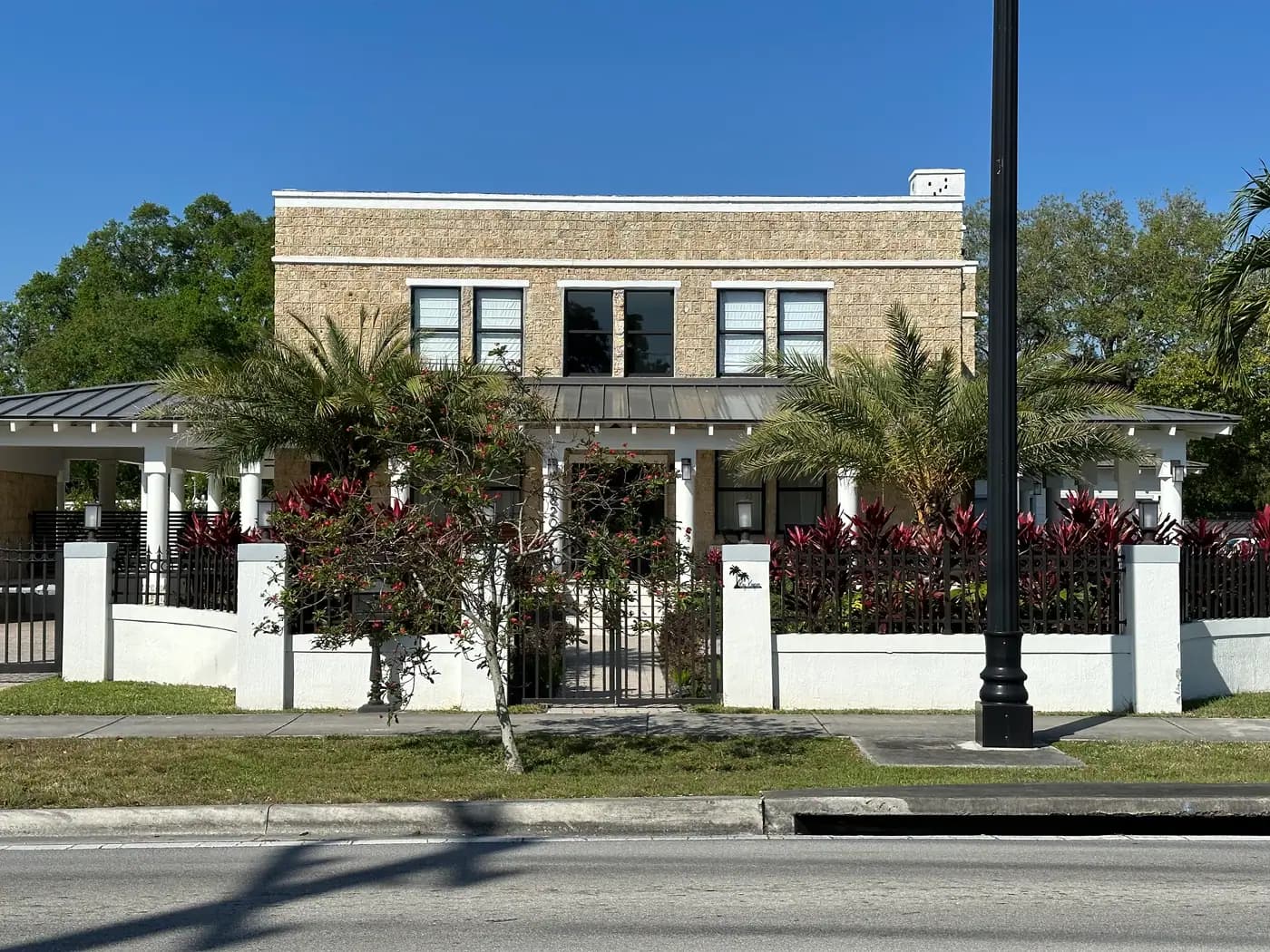
A restored residential house in West Miami
Phillip Pessar
Source image · Image-use terms
Web versions are resized and compressed; attribution and applicable source terms are retained.
Frequently asked questions
Does a home inspection guarantee no hidden defects?
No. Scope and access are limited. Read exclusions and arrange appropriate specialist follow-up when a material question remains.
Are insurance inspections automatically included?
No. Ask which reports your insurer requires and whether the inspector is separately engaged and qualified to provide them.
Sources & further reading
- Home Inspectors – FAQs – MyFloridaLicense.com
- Home Inspectors – MyFloridaLicense.com
Source links checked October 20, 2026. Rules and availability may change; verify current terms directly. Read our editorial standards.