Use the evidence and practical questions in this article to test your own assumptions. Any worked examples use hypothetical inputs.
The named place and rule version matter
Incoterms allocate specified delivery responsibilities, costs and risk between seller and buyer. They do not replace the full sales agreement. Trade.gov’s overview explains the framework and distinguishes rules by transport mode. FOB and CIF are intended for sea and inland waterway transport; DDP is a rule for any mode. Do not write only three letters on a purchase order. Identify the named port or place and the agreed version, then check that the rule fits how cargo will actually move. For containerized or multimodal movements, discuss suitable alternatives with the logistics adviser rather than forcing a familiar abbreviation.
Separate who pays from who bears risk
A seller arranging freight does not necessarily retain risk until the buyer receives the goods. That distinction is especially important when comparing CIF with an arrival-based expectation. Ask where delivery and risk transfer occur under the agreed rule, who contracts transport and what insurance is actually provided. For DDP, verify whether the seller can lawfully perform the promised import formalities and identify the importer arrangement. A promise that duties are included is not enough if nobody can explain the entry. Confirm unloading and destination charges rather than assuming every quoted service includes them.
Compare quotations on the same delivered basis
Build a worksheet listing product price, origin handling, freight, insurance, customs, destination handling and inland delivery. Mark the responsible party for each line and flag anything unquoted. Add payment terms separately because delivery rules do not themselves define when the invoice is paid or transfer every ownership right. A hypothetical cheap FOB quote can become expensive after missing destination charges are added. Equally, a higher DDP quote needs evidence of a workable customs arrangement. Use the actual contract and authoritative rule text for the final decision, with specialist review where needed. The comparison should reveal responsibility gaps before the shipment leaves.
- Specify the named place, version and suitable transport mode.
- Review risk transfer separately from freight payment.
- Confirm customs, insurance, destination and unloading responsibilities.
Image source and usage
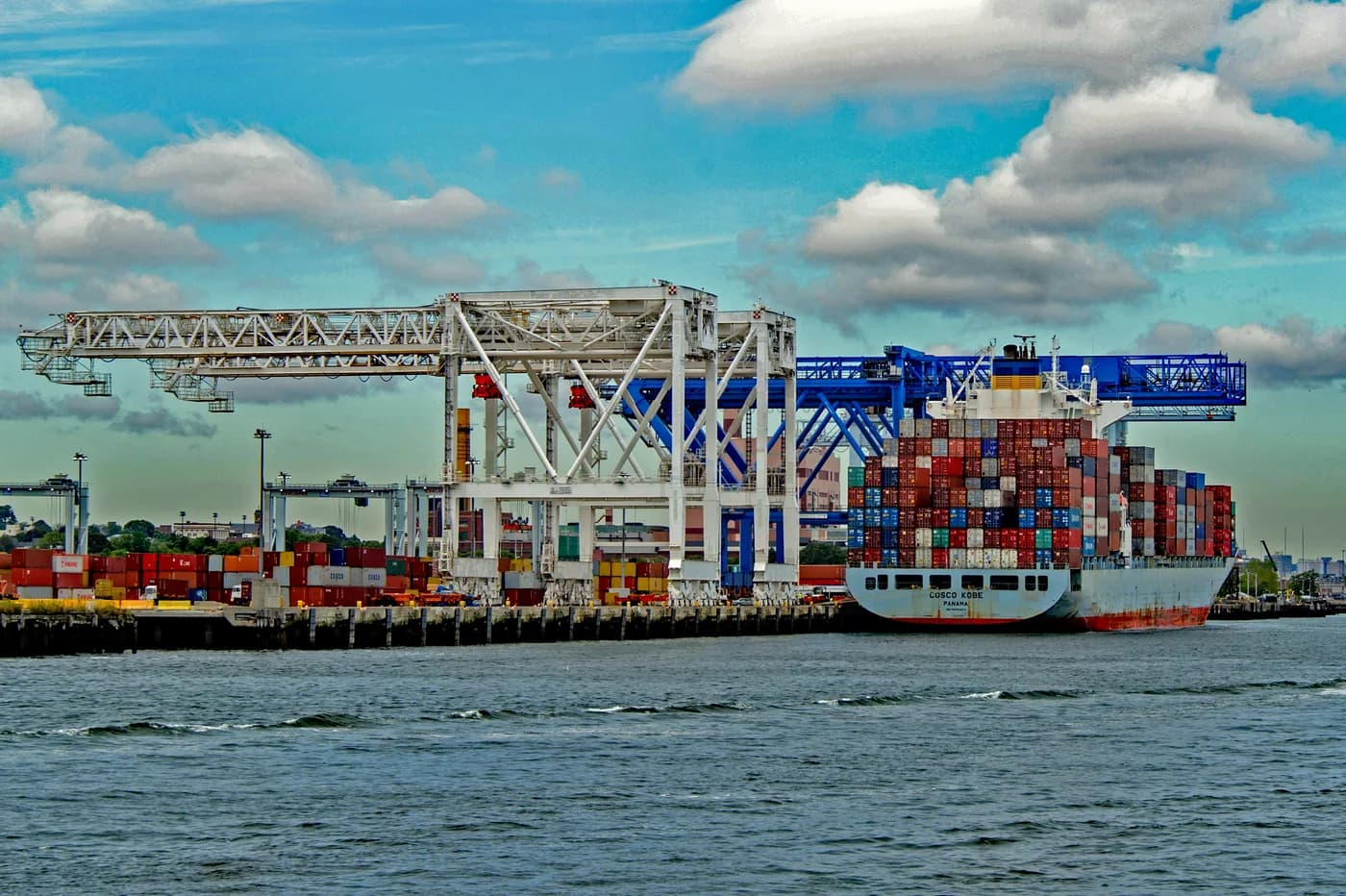
A container ship at Conley Terminal in Boston
Eric Kilby
Source image · Image-use terms
Web versions are resized and compressed; attribution and applicable source terms are retained.
Frequently asked questions
Does CIF mean the seller bears all risk until arrival?
No. Cost allocation and risk transfer differ; review the agreed rule and insurance.
Does DDP replace the sales contract?
No. Payment, product obligations, ownership and dispute terms still need a complete agreement.
Sources & further reading
Source links checked October 20, 2026. Rules and availability may change; verify current terms directly. Read our editorial standards.