Use the evidence and practical questions in this article to test your own assumptions. Any worked examples use hypothetical inputs.
Count factors, not screens
Multi-factor authentication uses more than one category of evidence to establish identity. Two-factor authentication is a form using two factors. A password and another security question can both be knowledge-based, so two prompts do not automatically establish two distinct factors. CISA recommends stronger authentication and explains the advantages of phishing-resistant methods. For a US small business, the first priority is often the accounts that can reset other accounts or move money. Start with email, identity administration, finance and remote access rather than adopting MFA only on low-impact applications.
Choose a method that fits the actual risk
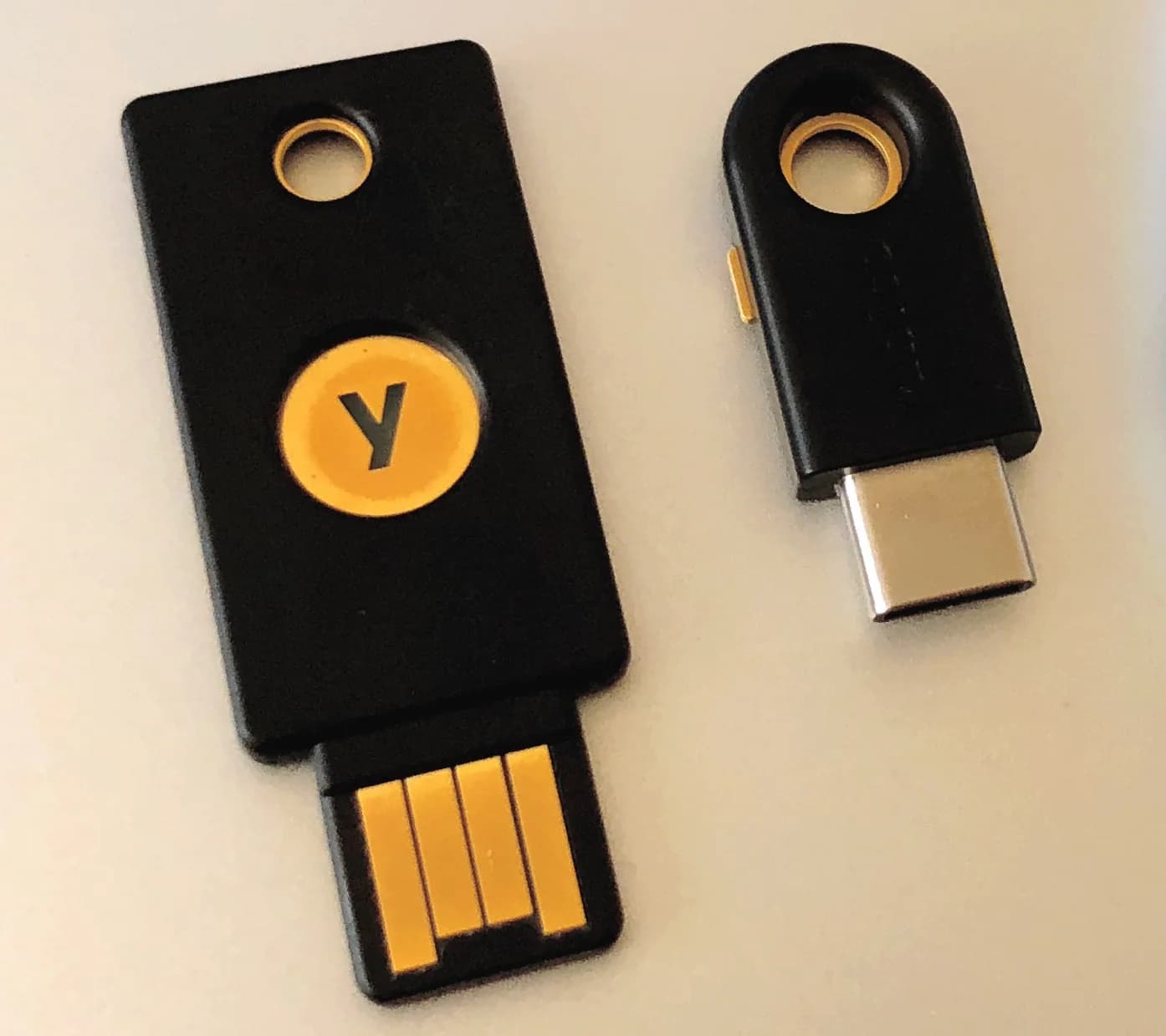
Compare the options supported by each service, including security keys, passkeys and authenticator-based methods. Do not assume every method provides the same phishing resistance. Push prompts can be misused when a person approves an unexpected request, so train staff to stop and report unfamiliar prompts. Where a stronger method cannot yet be adopted, document the exception and the planned improvement. Check whether shared or service accounts need a different technical approach. Avoid turning off protection just because an old workflow becomes inconvenient; ask the administrator to design a supported alternative.
Recovery instructions should identify the authorized reviewer and the evidence required to restore access. Keep backup codes in an approved protected location. Practice the process without revealing real codes in a training document or group message.
Prove recovery and coverage
An enrollment campaign is incomplete if nobody can report which important accounts remain unprotected. Keep a coverage inventory and record the responsible owner for each exception. Test what happens when a phone is replaced, an employee leaves and an administrator is absent. Recovery codes and backup methods need storage rules, not casual copies in an inbox. During a review, inspect actual service settings rather than relying on a policy statement alone. The useful outcome is that sensitive accounts require appropriate verification and the business can recover access through an approved process without weakening the control.
- Prioritize accounts that control identity, payments and remote access.
- Prefer phishing-resistant options where supported and suitable.
- Review exceptions, recovery methods and actual enrollment.
Image source and usage
YubiKey 4 and 4C security keys, shown as authentication references
Tony Webster from Minneapolis, Minnesota, United States. Cropped by SUM1.
Source image · Image-use terms
Web versions are resized and compressed; attribution and applicable source terms are retained.
Frequently asked questions
Is every two-step login genuine two-factor authentication?
No. The prompts must use distinct factor categories, not simply repeat the same kind of evidence.
Should an unexpected approval prompt be accepted?
No. Stop and report it through the organization’s approved support route.
Sources & further reading
Source links checked October 20, 2026. Rules and availability may change; verify current terms directly. Read our editorial standards.