Use the evidence and practical questions in this article to test your own assumptions. Any worked examples use hypothetical inputs.
Two controls with different functions
Encryption transforms information so it can be read with the appropriate key. Tokenization replaces a sensitive value with a substitute whose usefulness depends on the system that manages it. A payment architecture may use both. Neither term alone establishes that a merchant has no remaining card-data responsibilities. PCI Security Standards Council materials provide the appropriate standards context. For a US business, start by mapping where payment details are entered, transmitted, stored and displayed. Ask what the token represents and which systems can turn it back into sensitive information or use it to initiate a transaction.
Follow the integration rather than the marketing claim
A hosted checkout and a custom form may expose the business to different data paths even when the same provider is involved. Review the actual integration, browser behavior, server logs and support tools with the responsible technical team. Avoid copying card details into customer-service messages to resolve a payment issue. Confirm how refunds, recurring charges and account changes work using approved references. Ask the provider which responsibilities remain with the merchant and what current evidence supports its service. Do not assume a token visible in one system is harmless in every other context.
Test the lifecycle and the exit route
Use the provider’s approved testing environment to examine a normal payment, a refund, an expired credential and a failed repeat charge. Confirm that logs and exports contain only the information the business should retain. If recurring billing depends on stored tokens, ask how a provider migration would be handled and whether records are portable under the applicable agreements. A hypothetical company can reduce exposure at checkout yet create a new risk by giving too many employees access to payment actions. Combine technical controls with permissions, reconciliation and incident procedures. The useful result is less unnecessary sensitive-data handling with a process staff can operate correctly.
- Map where sensitive values and usable payment references travel.
- Confirm merchant responsibilities and actual integration scope.
- Test lifecycle events, permissions and provider migration.
Image source and usage
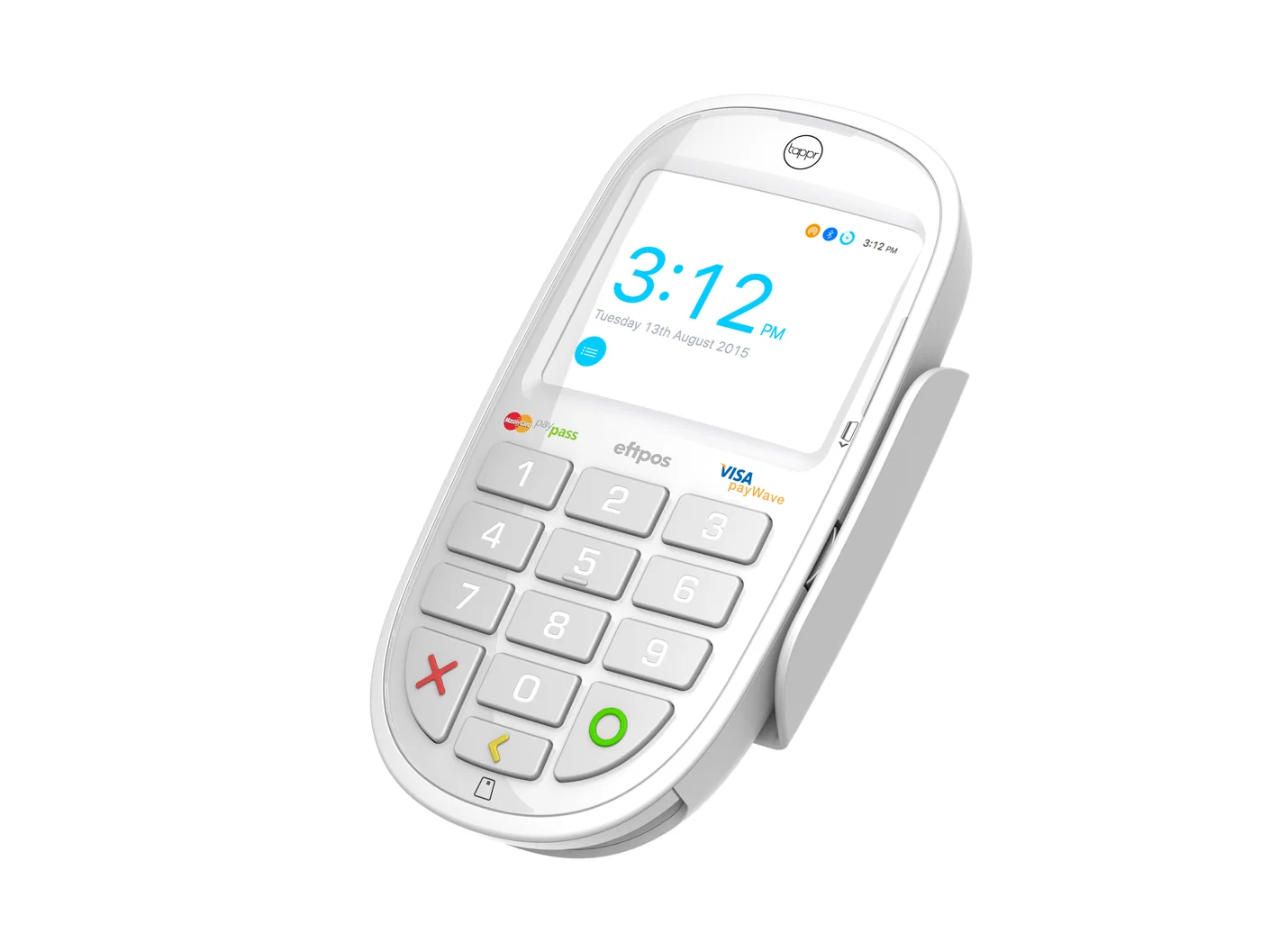
A Tappr card reader, shown as a payment equipment reference
SteveMccabe45
Source image · Image-use terms
Web versions are resized and compressed; attribution and applicable source terms are retained.
Frequently asked questions
Does tokenization always remove PCI DSS scope?
No. Scope depends on the architecture, systems, access and applicable validation requirements.
Can encryption and tokenization be used together?
Yes. They perform different functions and may form parts of the same payment architecture.
Sources & further reading
- PCI Security Standards Council – Protect Payment Data with Industry-driven Security Standards, Training, and Programs
- PCI Security Standards Council – Protect Payment Data with Industry-driven Security Standards, Training, and Programs
Source links checked October 20, 2026. Rules and availability may change; verify current terms directly. Read our editorial standards.