Use the evidence and practical questions in this article to test your own assumptions. Any worked examples use hypothetical inputs.
Separate recipe cost from period food cost
Restaurant food cost can describe the ingredients in one dish or the cost of food used during a period. Keep those calculations separate. A recipe calculation uses the usable quantity and cost of each ingredient divided by the portions actually produced. A period calculation starts with opening inventory, adds purchases and adjusts for closing inventory and other relevant movements under a consistent accounting method. The result should be compared with the matching food-sales period. Mixing a month’s purchases with a week’s sales can produce an impressive percentage that explains very little about the restaurant’s operation.
Use a transparent hypothetical recipe
Suppose ingredients cost $45 and produce 10 saleable portions. The ingredient cost is $4.50 per portion. At a hypothetical selling price of $15, ingredient cost is 30% of that price and the remaining $10.50 is not net profit. Labor, occupancy, utilities, payment fees, packaging and other expenses still need to be covered. If the same batch yields only 9 saleable portions, the ingredient cost becomes $5 per portion. That change can come from trimming, spoilage or portion control without any supplier increasing the purchase price. Record actual yield before blaming the menu price alone.
Investigate variance with operating records
Use a consistent recipe, portion tool and inventory count so a variance has an interpretable cause. Separate staff meals, complimentary dishes, returns, spoilage and transfers where relevant. Compare expected ingredient usage from sales with actual depletion, then investigate the largest differences. A percentage can improve while cash profit worsens if volume falls or other costs rise. Keep purchase invoices and count records connected to the calculation; IRS business-record guidance provides a foundation for documenting expenses, while the menu analysis itself requires your operating data. Test changes on a manageable group of dishes before redesigning the entire menu.
- Use usable yield and saleable portions in recipe costing.
- Match inventory and sales periods and document waste separately.
- Keep gross contribution separate from the restaurant’s net profit.
Image source and usage
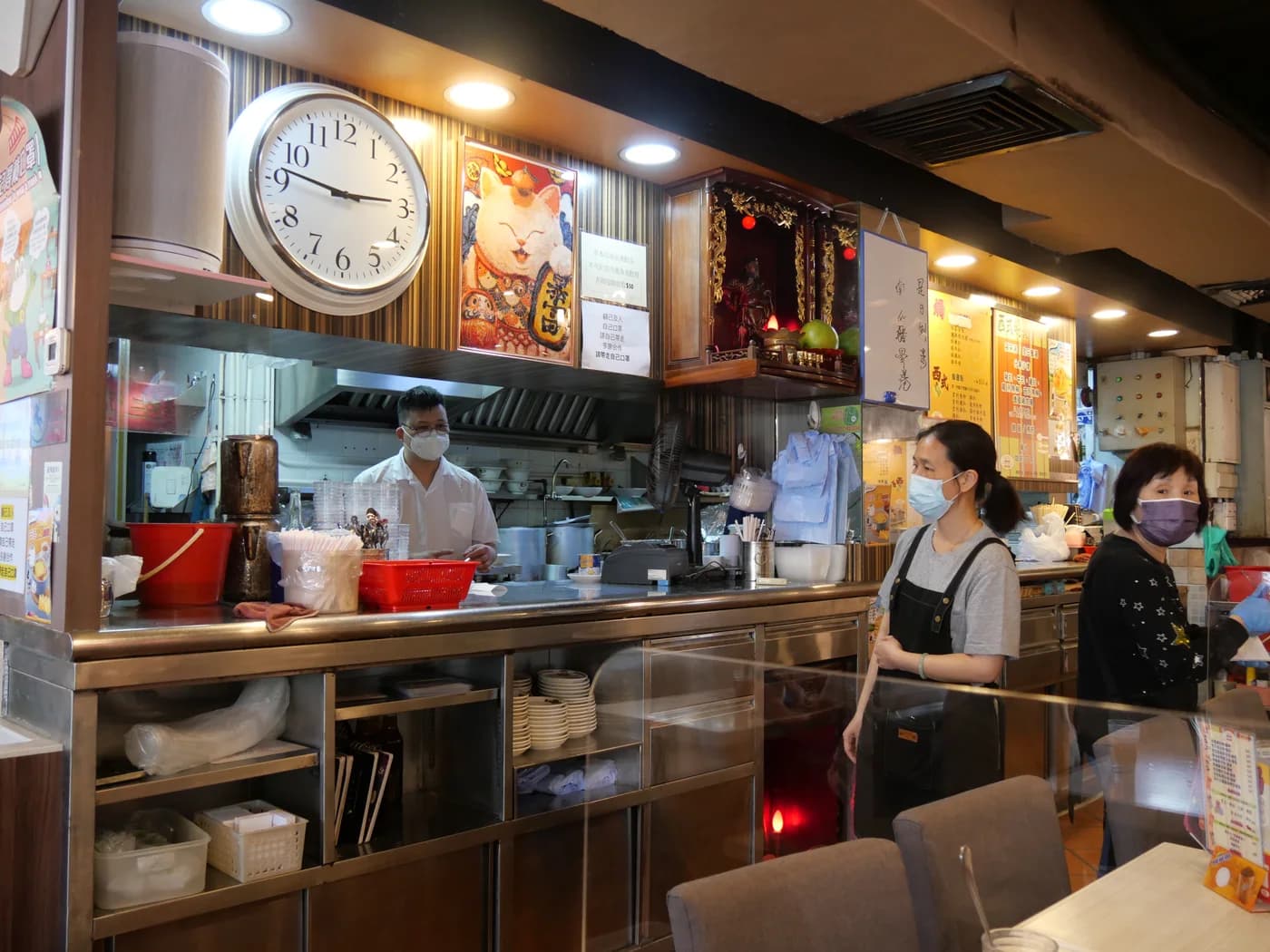
A chef and serving staff in an open restaurant kitchen
Peachyeung316
Source image · Image-use terms
Web versions are resized and compressed; attribution and applicable source terms are retained.
Frequently asked questions
Does a 30% food cost mean a 70% net profit?
No. Labor, occupancy and other operating costs remain. Ingredient margin and net profit are different measures.
Can yield changes increase portion cost without a price increase?
Yes. Fewer saleable portions from the same ingredient cost increase the cost per portion. Track waste and actual output.
Sources & further reading
Source links checked October 20, 2026. Rules and availability may change; verify current terms directly. Read our editorial standards.