Read this report alongside the linked primary sources. Distinguish the announced event from its potential effect on your business.
A Florida school’s connection with station astronauts
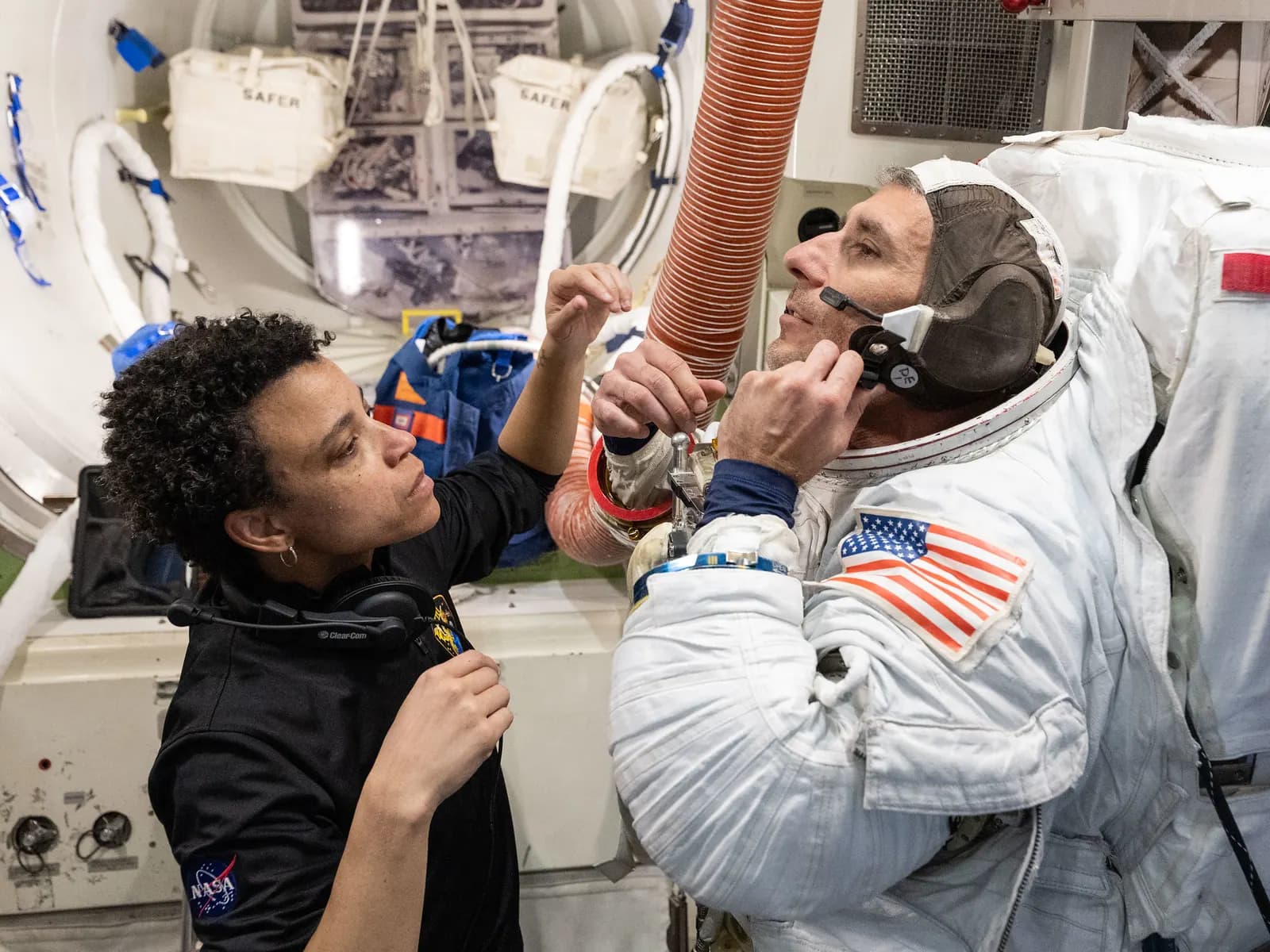
NASA’s October announcement selected Sally Ride Elementary School in Orlando for an Earth-to-space educational connection with astronauts Jessica Watkins and Luke Delaney. The published notice scheduled the program for October 16 and described prerecorded student STEM questions. This report concerns the agency’s announced educational program; the notice is not an independent attendance record or an assessment of individual students. The useful local story is the opportunity to connect classroom questions with people working in an orbital laboratory, then use that connection to explore how observations, experiments and engineering decisions are made. A short event becomes more valuable when teachers prepare a question and follow-up activity.
Ask a question that can be investigated
A useful classroom question identifies what the student wants to understand and what evidence would help answer it. Instead of asking only whether space is exciting, a class might investigate how a task changes when objects do not remain on a table or how a crew records an experiment. The teacher can separate what students observed from what they inferred. That distinction supports scientific reasoning without requiring expensive equipment. A demonstration on Earth should be described with its limits rather than presented as a complete reproduction of microgravity. The point is to practice the method of asking, observing and revising an explanation.
Find verified material for the follow-up
Use the links in NASA’s announcement and official education resources to locate the program information or related material. Check the date, intended age range and whether the activity requires adult supervision. Avoid implying that access to a public broadcast creates a personal partnership with the agency or guarantees a future career opportunity. For community organizations, the practical contribution may be providing a space, transport or an accessible explanation of the material. The lasting outcome is not simply that a class watched astronauts, but that students can explain a question, describe the evidence they used and recognize what remains uncertain after the discussion.
Image source and usage
NASA astronauts Jessica Watkins and Luke Delaney during spacesuit training in May 2026
NASA
Source image · Image-use terms
Web versions are resized and compressed; attribution and applicable source terms are retained.
Frequently asked questions
Does a public NASA education event guarantee a personal placement?
No. Public educational access and individual study or employment opportunities are different processes. Verify any separate opportunity through official channels.
Sources & further reading
Source links checked October 19, 2026. Rules and availability may change; verify current terms directly. Read our editorial standards.