Read this report alongside the linked primary sources. Distinguish the announced event from its potential effect on your business.
A reentry experiment carried with departing cargo
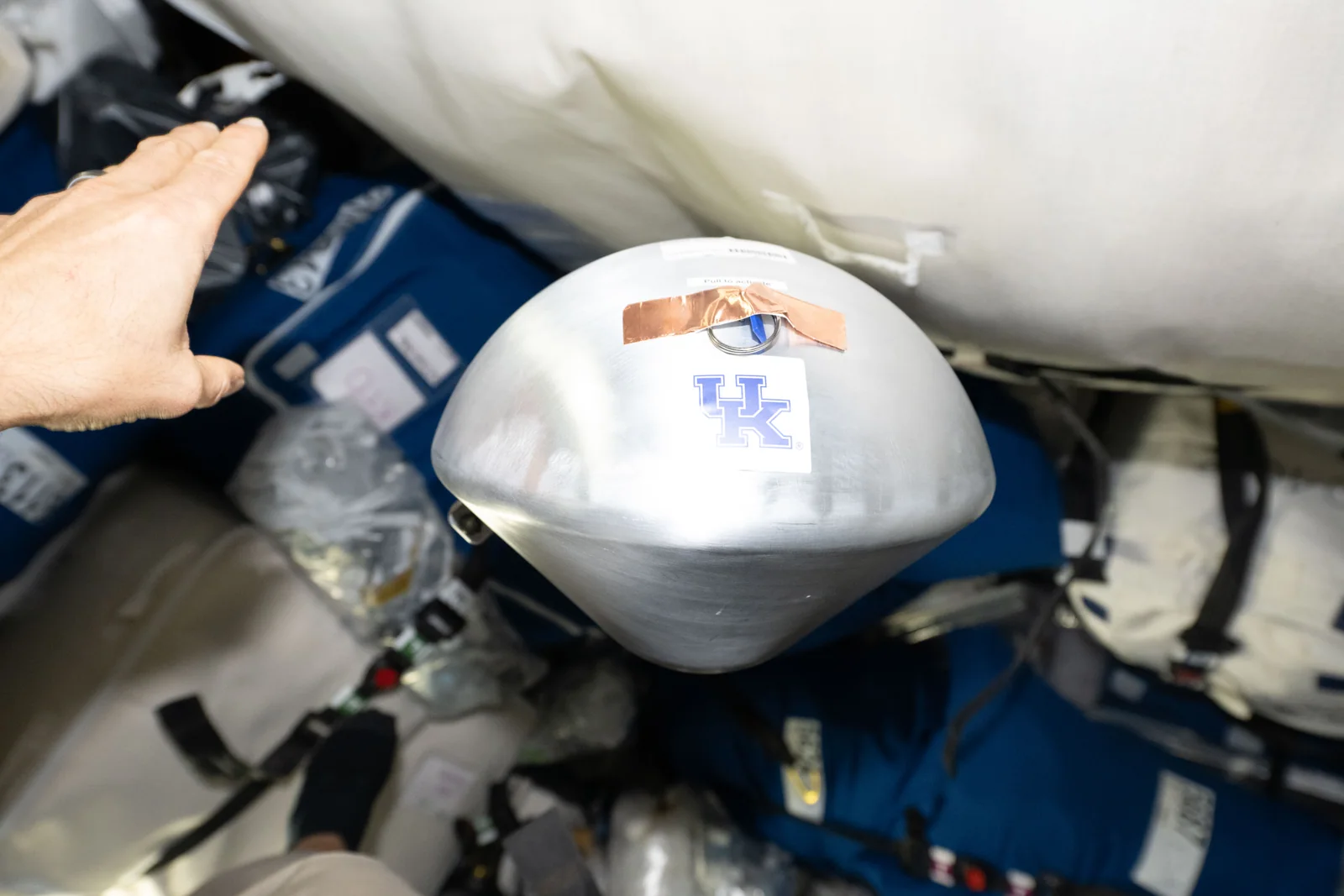
NASA’s October 9 account describes KREPE-3, an experiment using small capsules carried in a departing cargo spacecraft to test thermal-protection technologies. The capsules are designed to collect data during reentry, turning a disposal phase into an opportunity to study materials and configurations. The report concerns experimental work, not certification of a complete crewed spacecraft. Its importance is the connection between a practical test environment and the questions engineers need answered about heat protection. A successful deployment, a received data signal and a validated material conclusion are different outcomes that should be tracked separately.
A test must connect conditions and measurements
When reading a materials claim, ask which environment was tested, what sensors measured and how the result will be compared with a model or an established material. A sample that performs well in one configuration may not answer every question about a larger system. Scale, geometry, manufacturing consistency and the surrounding structure can change the assessment. This does not diminish the experiment; it identifies the evidence needed to move from a promising test toward a practical application. The value of a flight experiment is strongest when its conditions and limitations are documented clearly enough for another team to understand the result.
Watch for the analysis after the flight
The useful follow-up will explain which measurements were recovered and how they compare with the intended test objectives. Keep the planned experiment separate from evidence that all data were received or that a particular design is ready for operational use. Readers following US aerospace innovation can look for the relationship between research partners, manufacturing methods and repeatable testing. A lower-cost way of collecting flight data can be valuable even before a final product emerges. The central story is disciplined learning from an environment that is difficult to reproduce, with each later claim tied to a measurement rather than to the excitement of reentry itself.
Image source and usage
A KREPE-3 experimental reentry capsule photographed inside a Cygnus cargo spacecraft
NASA
Source image · Image-use terms
Web versions are resized and compressed; attribution and applicable source terms are retained.
Frequently asked questions
Does KREPE-3 certify a complete crewed spacecraft?
No. It is experimental thermal-protection research. A complete vehicle’s qualification requires evidence beyond an individual materials experiment.
Sources & further reading
Source links checked October 19, 2026. Rules and availability may change; verify current terms directly. Read our editorial standards.