Read this report alongside the linked primary sources. Distinguish the announced event from its potential effect on your business.
The SPEARS battery research
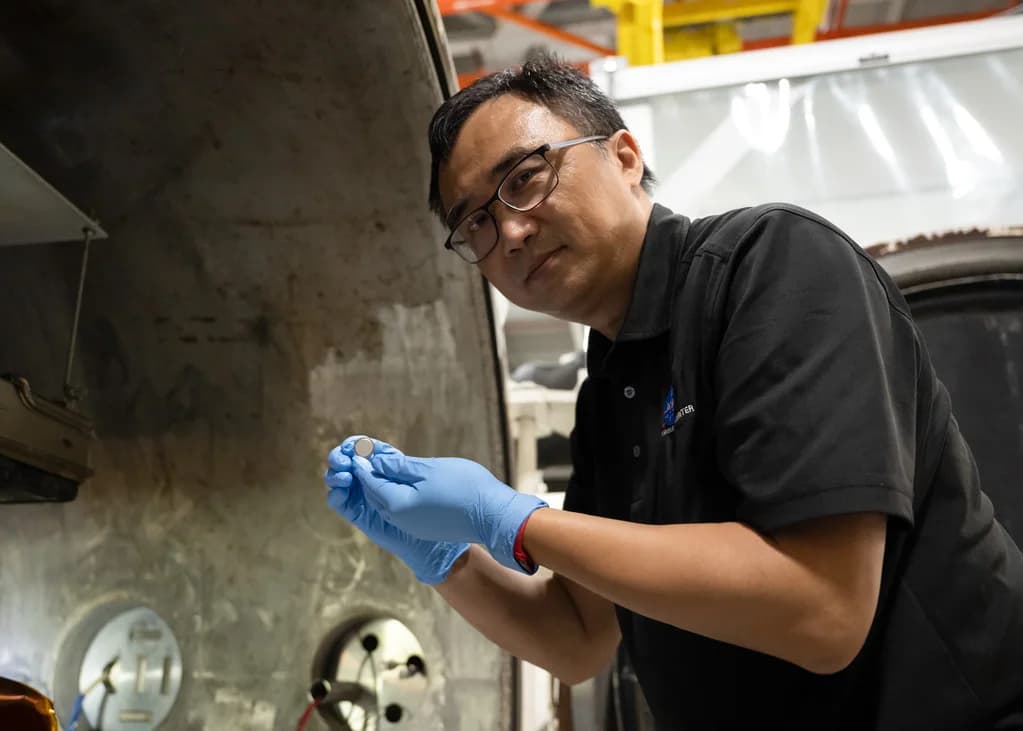
NASA described progress on its SPEARS solid-state battery research on October 14. The agency reported prototype testing at very low temperatures and survival after exposure to still colder conditions. Those are different claims: a battery that survives an environment is not necessarily delivering usable power throughout that exposure. The project investigates power systems for harsh lunar conditions rather than announcing a consumer battery ready for sale. Readers should retain the test conditions and prototype status when comparing the news with claims about electric cars, phones or other everyday products that have different operating requirements.
Operating, surviving and restarting are separate tests
A useful battery comparison identifies the temperature while power is being delivered, the conditions the unit can survive while inactive and the steps needed to restart it. Capacity, output, cycle life and safety also answer different questions. A compact laboratory cell does not automatically establish the behavior of a full pack with its controls and thermal management. Ask which of those items the published test actually measures. This is a practical way to read an impressive performance claim without either dismissing it or extending it beyond the evidence. The distinction helps explain why engineering development continues after a successful prototype experiment.
What would make the next announcement meaningful
Watch for repeatable results, a clearly identified configuration and an explanation of the requirements the system is intended to meet. A later demonstration should state whether it improves operation, survival, restart, scale or another defined characteristic. For a business evaluating energy technology, begin with the actual load and environment before deciding which laboratory number matters most. A product used intermittently in a controlled setting presents a different problem from equipment that must operate continuously without service. NASA’s research is a useful case study in defining those requirements, while commercial availability, qualification and performance in another application remain questions requiring their own evidence.
Image source and usage
Yi Lin holding a SPEARS prototype battery after testing at NASA Langley
NASA/Ryan Hill
Source image · Image-use terms
Web versions are resized and compressed; attribution and applicable source terms are retained.
Frequently asked questions
Is a cold-survival result the same as continuous operation?
No. Survival, operation and restart can have different temperature limits and conditions. Read each test result with its specific configuration.
Sources & further reading
Source links checked October 19, 2026. Rules and availability may change; verify current terms directly. Read our editorial standards.