Key takeaways
- The October 15, 2026 reveal concerns a redesigned Roadster; a presentation is separate from the start of customer deliveries.
- Tesla separates Performance, Thrust and Rocket. Its Rocket description explicitly excludes public-road use.
- The US reservation screen shows total initial commitments of $50,000 for Performance and $250,000 for Thrust; these are not confirmed vehicle purchase prices.
- The engineering claims still need reproducible testing, final specifications and production evidence.
Read this report alongside the linked primary sources. Distinguish the announced event from its potential effect on your business.
What Tesla unveiled on October 15, 2026
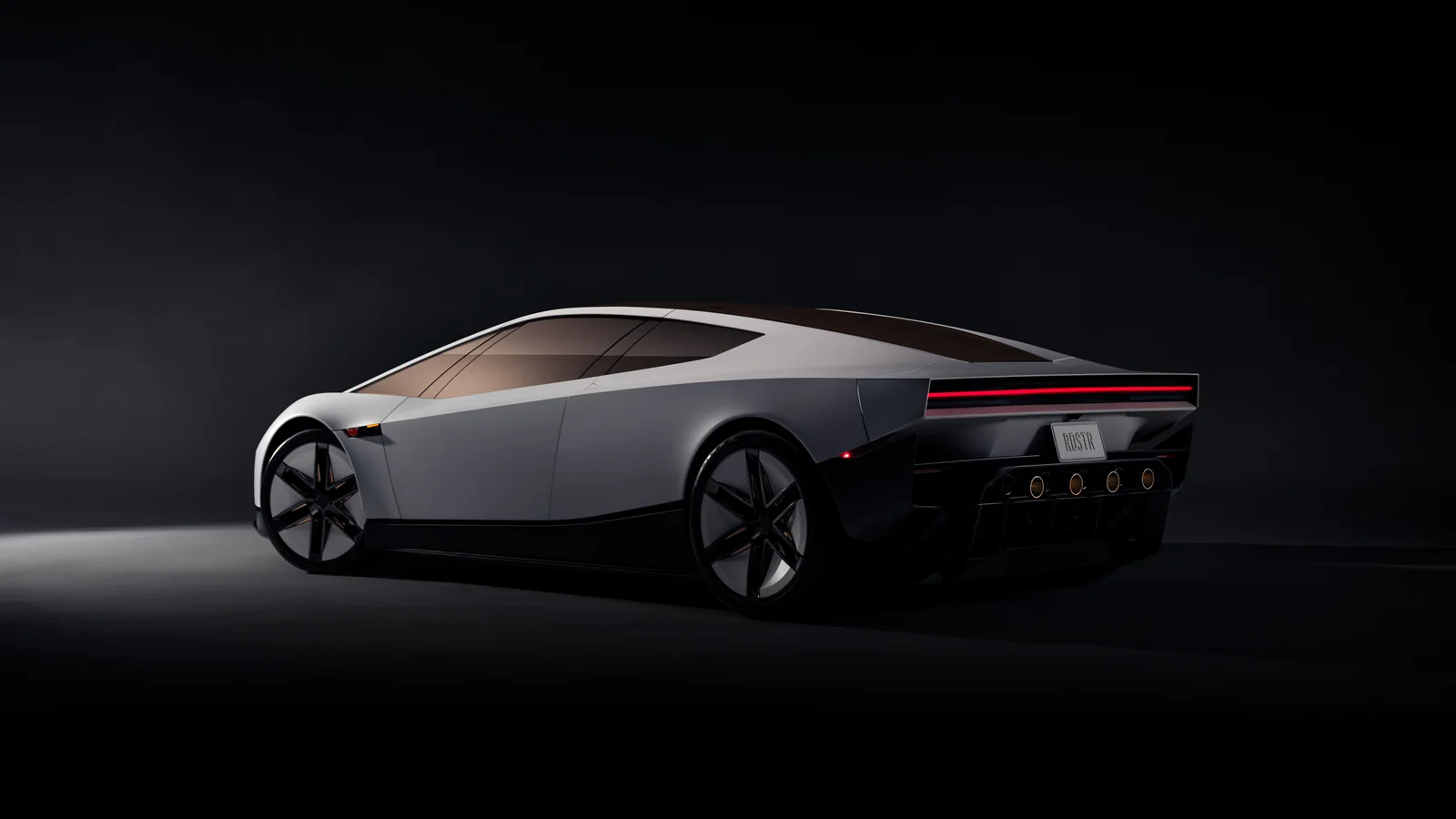
Tesla has put the Roadster back at the center of the electric-supercar conversation. Elon Musk presented the redesigned vehicle in Texas on October 15, 2026, with a 2028 production target reported after the event. The company’s new product page describes a family of configurations combining electric propulsion, active aerodynamics, powered suction and optional cold-gas thrust. This is a new presentation of a long-running vehicle program, rather than an announcement that retail deliveries have already begun.
The news is the combination of systems and the way Tesla now separates their intended uses. A reader considering the car needs more than a spectacular clip: which configuration is being shown, what it is designed to do, how much money a reservation requires and which specifications apply to that configuration. This report uses Tesla’s current US product and reservation pages, its supplied media and linked technical sources. Motenza has not conducted a road test or independently measured the prototype’s performance.
Performance, Thrust and Rocket serve different purposes
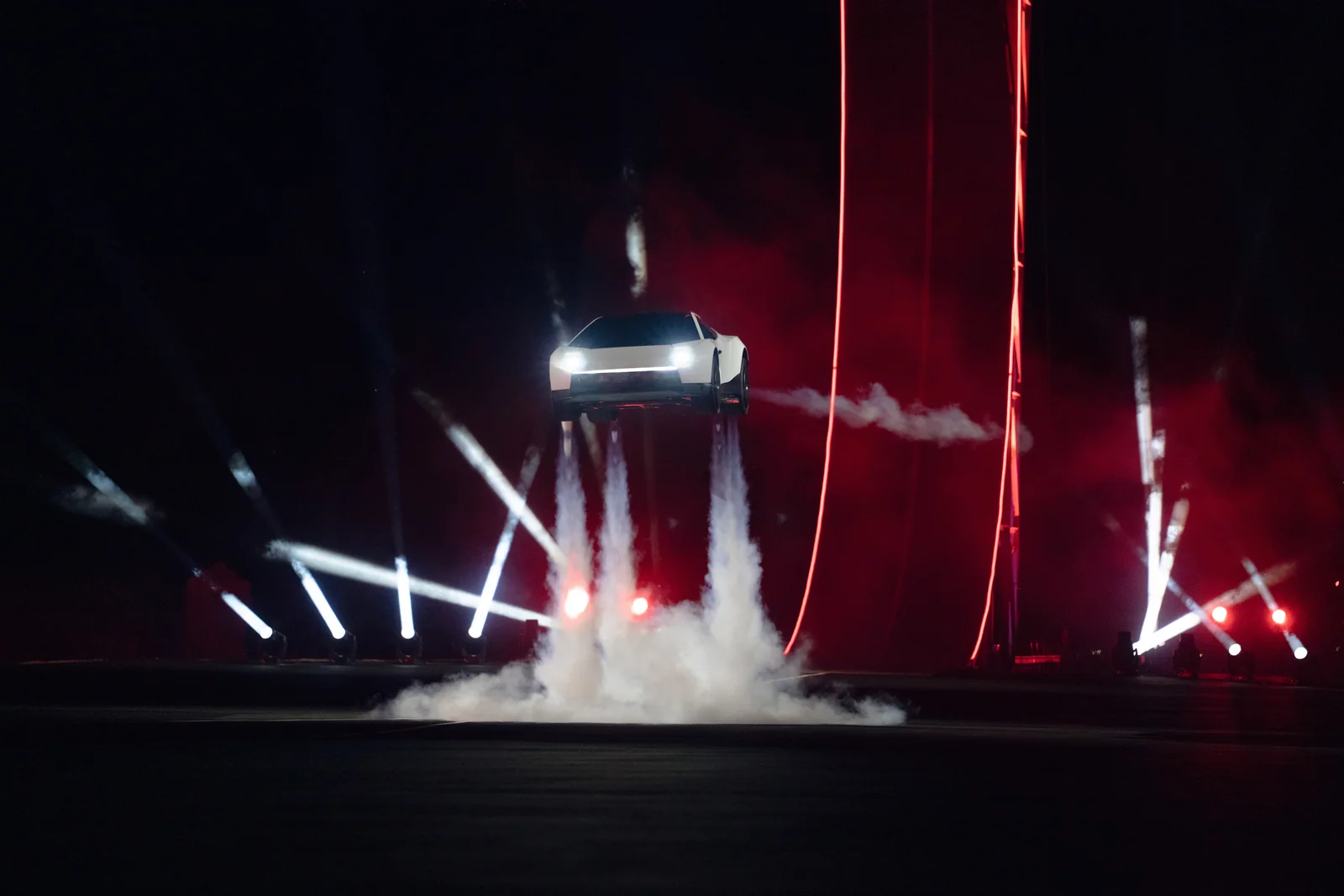
Tesla lists Performance as a two-seat configuration with active aero and a multi-mode suction system. Thrust adds rear-mounted acceleration thrusters and is described as a limited release. Rocket is the one-seat, invitation-only configuration with additional thrust capability around the vehicle. These descriptions create materially different ownership questions: a road-oriented sports car, a more specialized performance package and a configuration whose stated capability extends beyond ordinary driving.
A specification table should therefore be read across a single version, with its footnotes attached. Combining the most dramatic attribute from each configuration would describe a vehicle Tesla is not offering as one universal package. Before comparing the Roadster with another electric sports car, establish the seating arrangement, hardware, intended environment and availability of the actual version under discussion. The same discipline matters when interpreting photographs: a demonstration vehicle can carry equipment that a different reservation selection does not include.
Why the suction system matters before the car moves
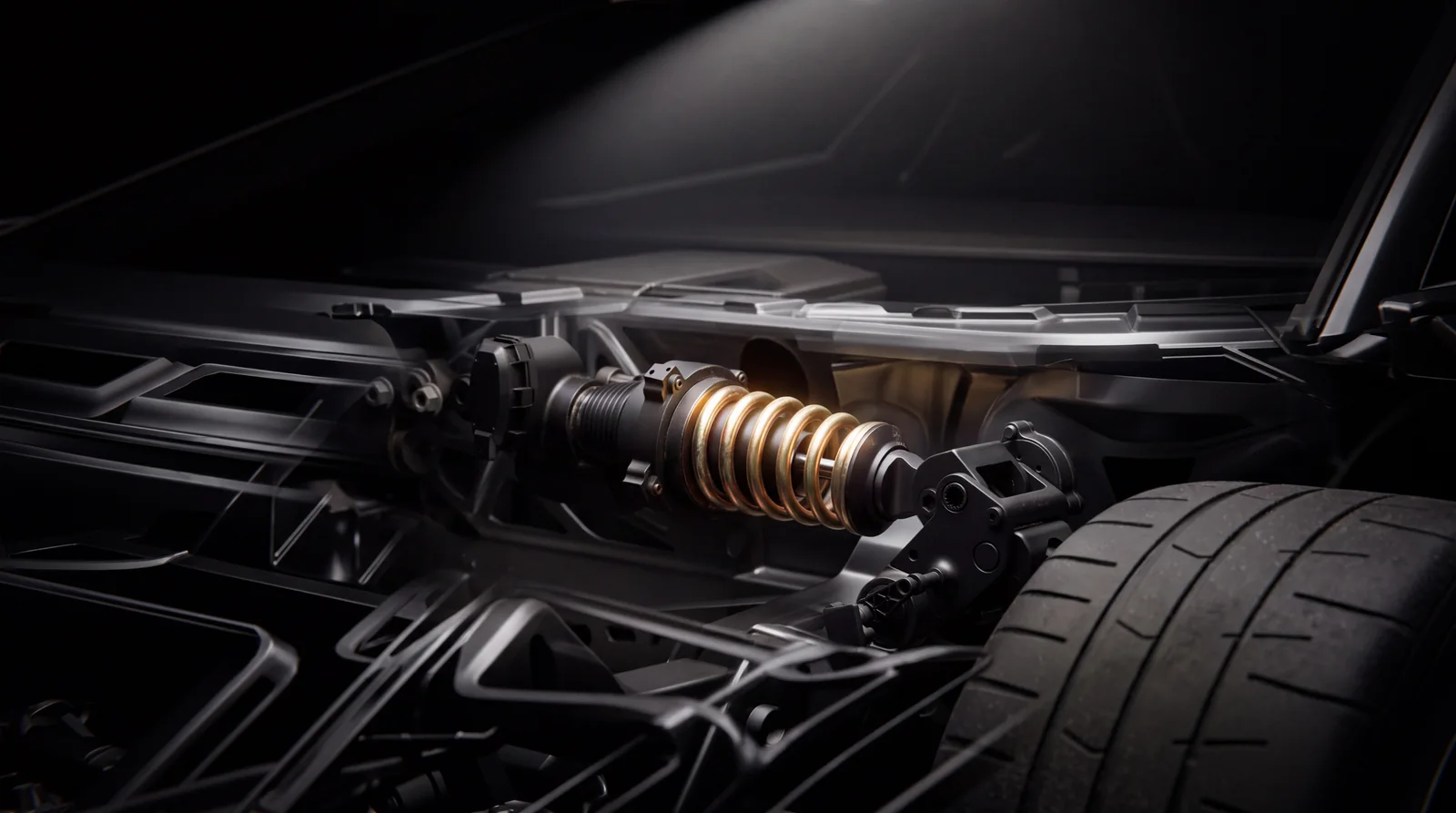
The product page describes powered fans and a ground-sealing arrangement that remove air from beneath the vehicle. The aim is to generate downforce even at very low road speed. That changes the engineering problem a reader should investigate. Alongside motor output, a serious assessment must ask how consistently the car can manage grip across different surfaces, operating modes and repeat runs. A dramatic demonstration establishes a capability under its own conditions; it does not establish performance in every environment.
Useful future testing would document the surface, tires, ride height, mode settings and the state of the relevant systems before each run. It would also show what happens as conditions change. Those are questions for a repeatable test program, not assumptions about a fault in the vehicle. For an owner, the value of advanced downforce technology will depend on predictable controls, a clear operating envelope and understandable instructions as much as on a peak figure in a presentation.
What cold-gas thrusters add to the design
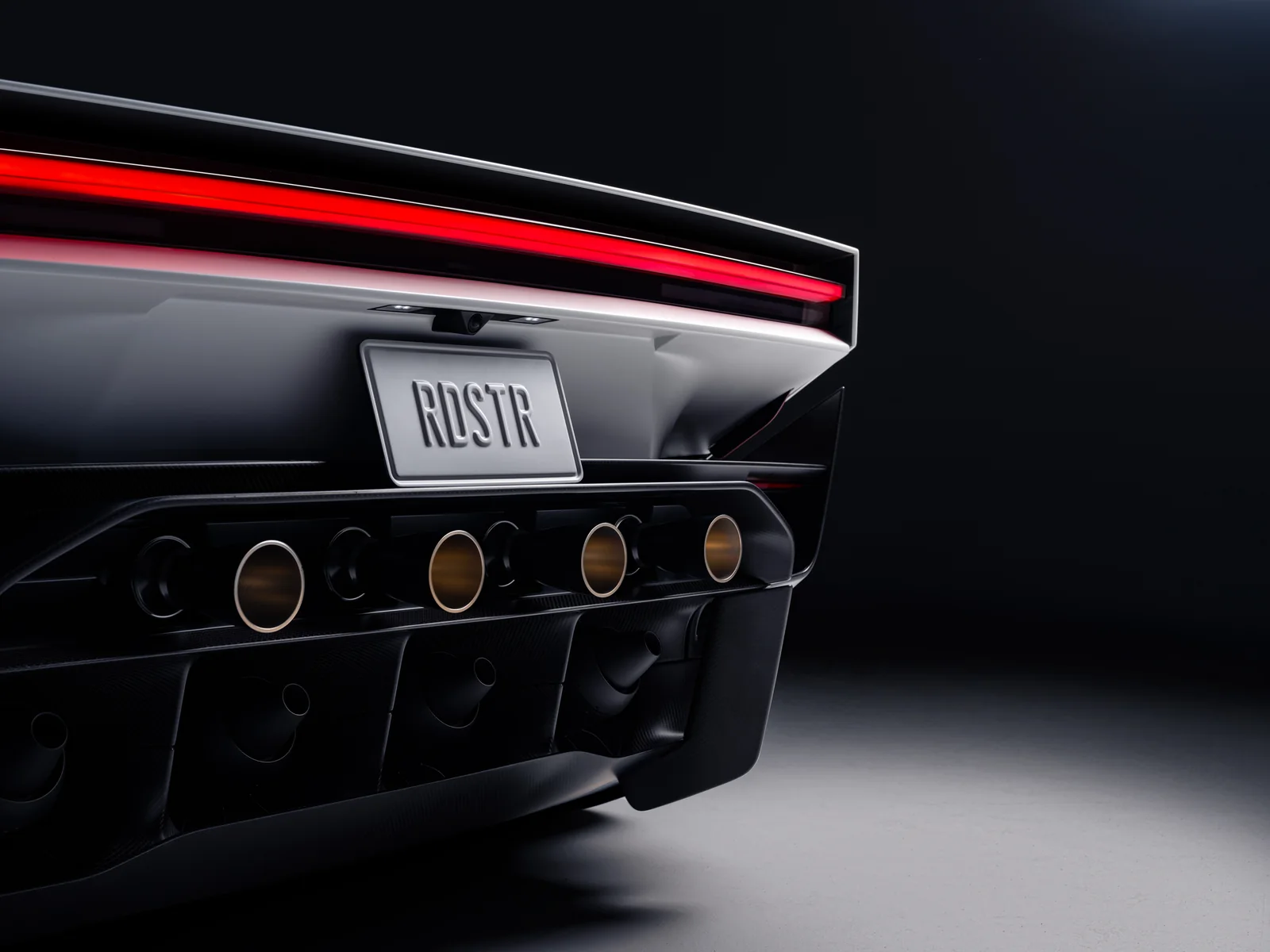
Cold-gas propulsion produces thrust by releasing stored pressurized material through a nozzle. NASA’s spacecraft technology overview explains the underlying propulsion category; it does not validate this car or its performance. The useful distinction for readers is between force generated through the tires and additional force produced by an onboard thrust system. Both affect the motion of the vehicle, but they create different requirements for control, stored energy, operating procedures and repeatability.
Tesla describes electrically actuated control of its thrusters. An independent assessment should then investigate how the complete vehicle integrates that system with steering, suspension and aerodynamic control. Questions include the available operating duration, replenishment procedure, maintenance schedule and the conditions under which the feature may be used. Until the production documentation answers them, a short burst shown in a demonstration should not be converted into an assumed duration of continuous operation.
Sub-second acceleration needs a complete test protocol
Tesla’s current US page associates the Thrust package with a claimed 0–60 mph time below 1 second. A useful performance comparison still needs the starting procedure, timing convention, tires, surface and equipment configuration. The word claimed matters here: this report is describing the manufacturer’s presentation, not publishing a Motenza instrumented result. A future production-car test can establish how that claim translates into a documented, repeatable measurement.
Readers should also avoid treating an initial acceleration result as a complete measure of a sports car. Braking consistency, steering response, recovery between runs and sustained performance tell different parts of the story. For a buyer, the relevant question is whether the capability is accessible within the permitted operating conditions and can be repeated with the expected preparation. A transparent test sheet will be more informative than comparing isolated headline numbers from different measurement methods.
The cabin is built around the driver
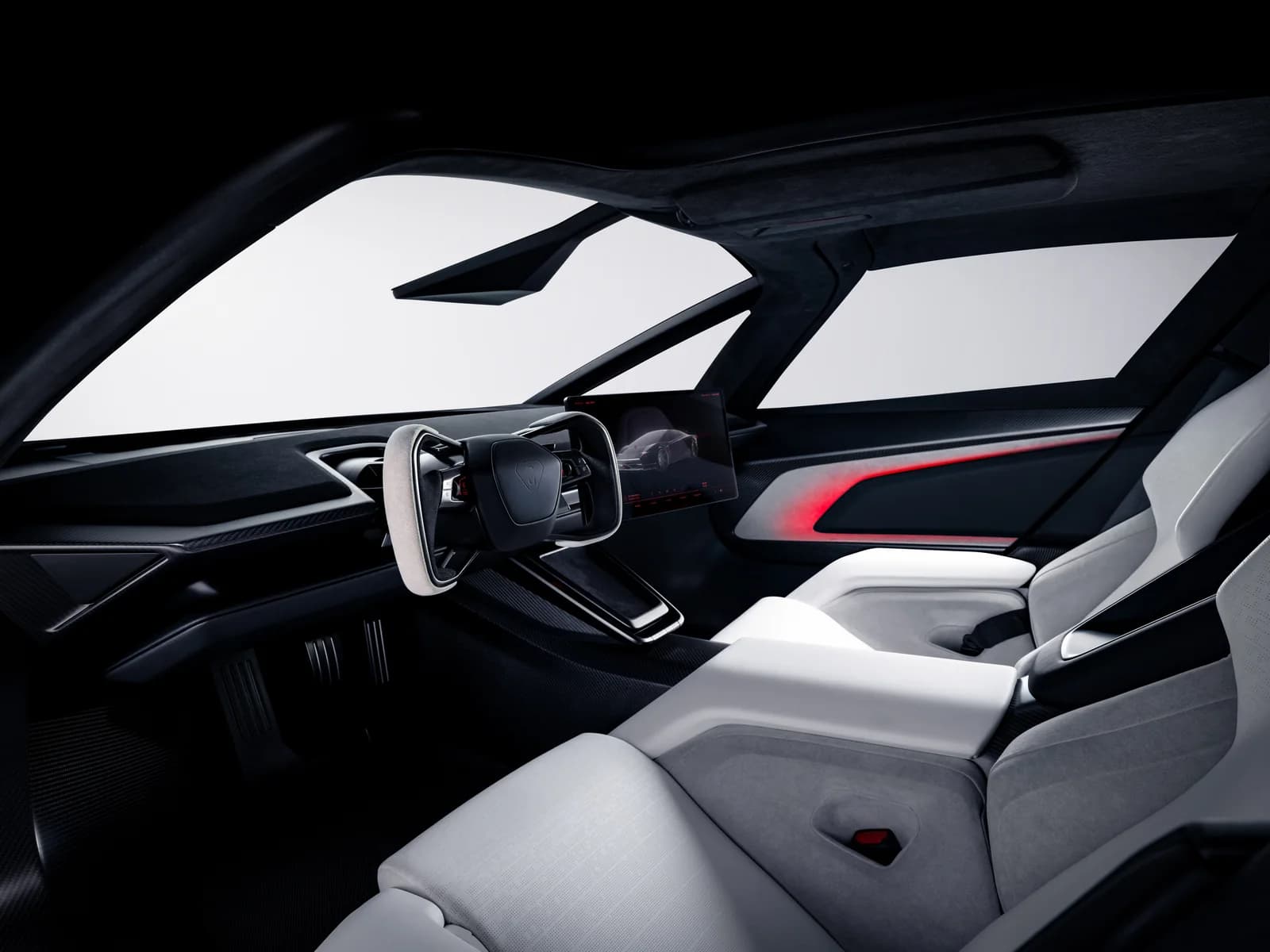
The new interior imagery shows a compact driver environment with a central screen, smaller forward displays and a yoke. Tesla describes steer-by-wire and a fixed seating position as elements of the design. These choices deserve practical examination when production examples become available. Driver fit, entry and exit, control reach and sight lines are central to the experience of a car that emphasizes direct human control.
The cabin photographs are useful for understanding the layout, while a hands-on assessment must go further. A prospective driver should eventually evaluate the adjustment range of the controls, the visibility of critical information and the sequence required to select specialized modes. Material appearance and dramatic lighting can communicate a design direction; comfort, usability and everyday accessibility require time with the finished vehicle. This article’s interior images are supplied media, not evidence of a completed ownership test.
What the 2028 production target does and does not establish
The production target reported after the presentation is 2028. That is a planning statement about manufacturing, rather than a confirmed delivery appointment for every reservation holder. A useful release-date discussion separates design completion, manufacturing readiness, the start of production, regional availability and an individual customer’s handover. These milestones can occur at different times, and the reservation screen alone does not supply a complete calendar.
For readers following the program, the next meaningful evidence will be detailed production specifications, an identified manufacturing plan and documented customer terms. The date on a news article should not be mistaken for the date the car becomes available. This report was published after the October presentation and describes the information checked for that publication. Changes to the program should be assessed against later statements and documents, rather than silently treating the original target as a guarantee.
How US Roadster reservations work at publication
The US configurator checked for this report shows $5,000 due today for Performance, followed by $45,000 within 10 days. Selecting Thrust changes the second amount to $245,000. Adding those displayed stages produces reservation totals of $50,000 and $250,000 respectively. The Thrust screen also restricts availability to one order per customer. Rocket is shown as invitation-only, without an ordinary selectable reservation in the checked interface.
Treat the screen as a dated snapshot of a specific market. Before taking any payment action, review the current reservation agreement, payment schedule, cancellation language and the precise configuration selected. The interface’s refund label should be read alongside its conditions, including the separate language about modifications. A screenshot of an amount does not establish every refund scenario or tell a customer which contractual provisions will apply to a later change.
Why the deposit is not the announced vehicle price
A reservation commitment answers a cash-timing question: what money is required to participate in the current reservation process? A purchase price answers a different question: what amount will be charged for a specified finished vehicle under the final sale terms? The checked screens do not establish a complete final transaction price. Reporting the deposit as the car’s retail price would give readers a misleading basis for comparison.
A sensible purchase file keeps the reservation amount, final balance, optional equipment, taxes, delivery charges, insurance and operating costs in separate fields. Mark any unannounced figure as unresolved. The same approach prevents a common problem with high-profile launches: a buyer builds an apparently precise budget around one public number while the largest parts of the eventual commitment remain undefined. Clarity about what is known makes the announcement more useful without reducing its technical interest.
Public-road use needs configuration-specific answers
Tesla explicitly states that Rocket is not approved for public-road use. The product page also attaches regional availability conditions to specialized equipment. That is enough to reject a blanket assumption that every capability shown at the event will be usable on an ordinary road. It does not establish a complete legal conclusion for another configuration, another jurisdiction or a future production vehicle.
NHTSA explains that US vehicle safety compliance uses manufacturer certification; the agency does not provide a general pre-sale endorsement of a car. Buyers should therefore seek the applicable vehicle documentation and permitted operating conditions for the exact configuration offered. Road registration, insurance acceptance and permission to use a particular facility are separate practical checks. Neither an invitation nor a reservation receipt substitutes for those answers.
Range, charging and ownership still belong in the comparison
The latest presentation should be evaluated on its own specifications. Earlier Roadster design targets circulated for years, and carrying them into a redesigned vehicle without confirmation would create an unreliable comparison. The current US pages checked here do not provide a complete final ownership specification. Readers should wait for configuration-specific battery, range, charging and operating documentation before treating an old target or a social-media graphic as a production fact.
The US Department of Energy’s consumer guidance gives a useful general framework for electric vehicles: assess charging access and the way the car will be used alongside its headline range. For a specialized sports car, add the preparation and replenishment needs of optional systems. A car used for occasional events presents a different planning problem from a vehicle expected to handle a long trip at short notice. Document the intended use before drawing conclusions about practicality.
What the announcement means for Miami and Florida readers
For Miami readers interested in premium cars, the immediate value is understanding the product rather than assuming local availability. This report does not establish Florida delivery dates, local demonstration bookings or rental inventory. A prospective owner can still prepare useful questions about garage access, charging installation, transport to events, service arrangements and the documentation an insurer would require for the specific version.
Local use also calls for a realistic route assessment: the places the vehicle would enter, the parking it would use and the support needed if a specialized mode is unavailable. Those observations should be made with a production vehicle and its instructions when available. For a business considering a future premium fleet, customer suitability, permitted use, maintenance downtime and contractual clarity deserve a separate operating plan. An attention-grabbing product announcement is the beginning of that assessment.
The next evidence that will move the Roadster story forward
The most useful follow-up will connect promises with documents and repeatable results. Watch for final specifications attached to each configuration, the manufacturing schedule, current reservation terms and independent testing of production-representative vehicles. A complete acceleration report should explain its method. A meaningful operating demonstration should explain the preparation, limits and reset procedure. A delivery announcement should identify the market and the customers it covers.
This sequence helps readers distinguish a new design image from a specification change, a prototype test from a customer-ready capability and a manufacturing target from actual deliveries. Each can be newsworthy, but they answer different questions. For now, Tesla has provided enough detail to describe the architecture and reservation structure, while the finished product still needs to supply the ownership and testing evidence that a serious comparison requires.
Motenza’s assessment of the new Tesla Roadster
The strongest part of the Roadster story is the attempt to coordinate several ways of controlling a fast electric car. Motors, aerodynamic surfaces, powered suction and thrust create an unusually ambitious integration problem. Our assessment is that the program’s significance will depend on how clearly those systems work together within documented limits, and how well the final vehicle communicates those limits to the person using it.
That gives the news a longer life than a single spectacular moment. There is a concrete engineering agenda to follow, a reservation commitment to understand and a production program whose next milestones can be checked. Readers can be interested in the design while keeping purchase decisions grounded in the specific version, current documents and independently verifiable results. That is the standard this report will use when assessing subsequent Roadster announcements.
Images and attribution
Images supplied by Tesla for this editorial report. Copyright remains with Tesla, Inc. Media-use conditions and permission requests are available through Tesla Gallery.
- The redesigned Tesla Roadster in a three-quarter studio view · Courtesy of Tesla, Inc.
- Tesla-supplied image of the Roadster during the nighttime presentation demonstration · Courtesy of Tesla, Inc.
- Tesla-supplied close view of Roadster chassis and suspension hardware · Courtesy of Tesla, Inc.
- Rear detail of the new Tesla Roadster showing the taillight and nozzle arrangement · Courtesy of Tesla, Inc.
- Tesla Roadster interior showing the yoke, displays and two-seat cabin · Courtesy of Tesla, Inc.
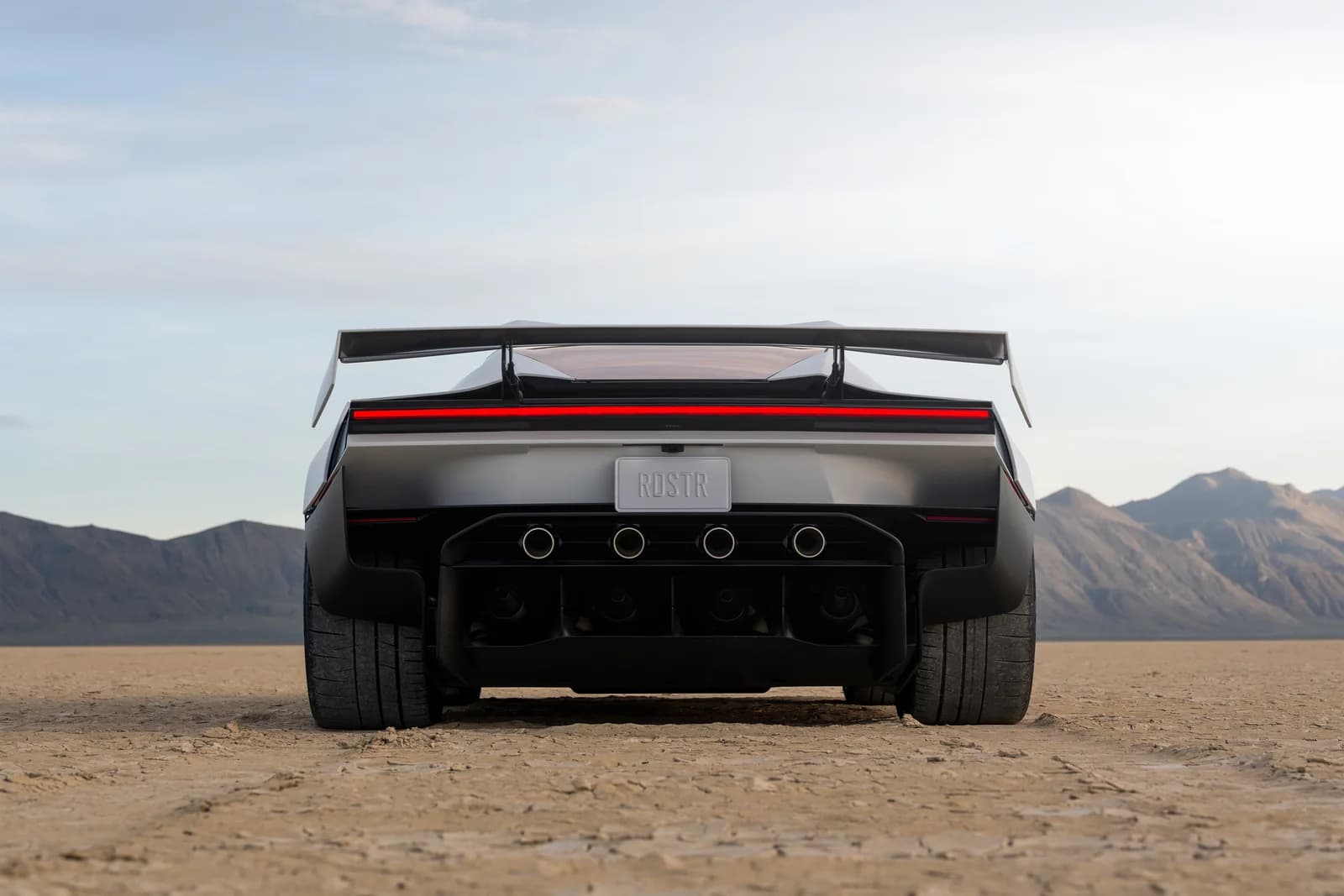
- The new Tesla Roadster photographed from the rear in Tesla-supplied outdoor imagery · Courtesy of Tesla, Inc.
Frequently asked questions
Has the new Tesla Roadster been released for customer deliveries?
The October 2026 reveal is separate from customer deliveries. The reported production target is 2028; it is not a confirmed delivery date for each reservation.
Can every new Roadster configuration fly?
No. Tesla associates flight capability with the invitation-only Rocket configuration and states that Rocket is not approved for public-road use.
Are $50,000 and $250,000 the new Roadster’s prices?
Those are totals calculated from the checked US reservation payment stages for Performance and Thrust. They do not establish the complete final vehicle purchase price.
Has Motenza independently tested the Roadster?
No. This is source-linked reporting and analysis of Tesla’s published material and the reveal. The performance claims are not Motenza instrumented test results.
Sources & further reading
- Tesla: current Roadster configurations, equipment and availability notes
- Tesla US: current Roadster reservation selections and payment stages
- Tesla Gallery: official media and editorial-use conditions
- Axios: October reveal and the reported production target
- NASA: the principles and limits of cold-gas propulsion
- NHTSA: manufacturer certification and vehicle compliance
- US Department of Energy: understanding electric vehicles
Source links checked October 16, 2026. Rules and availability may change; verify current terms directly. Read our editorial standards.