Two businesses, two distinct roles
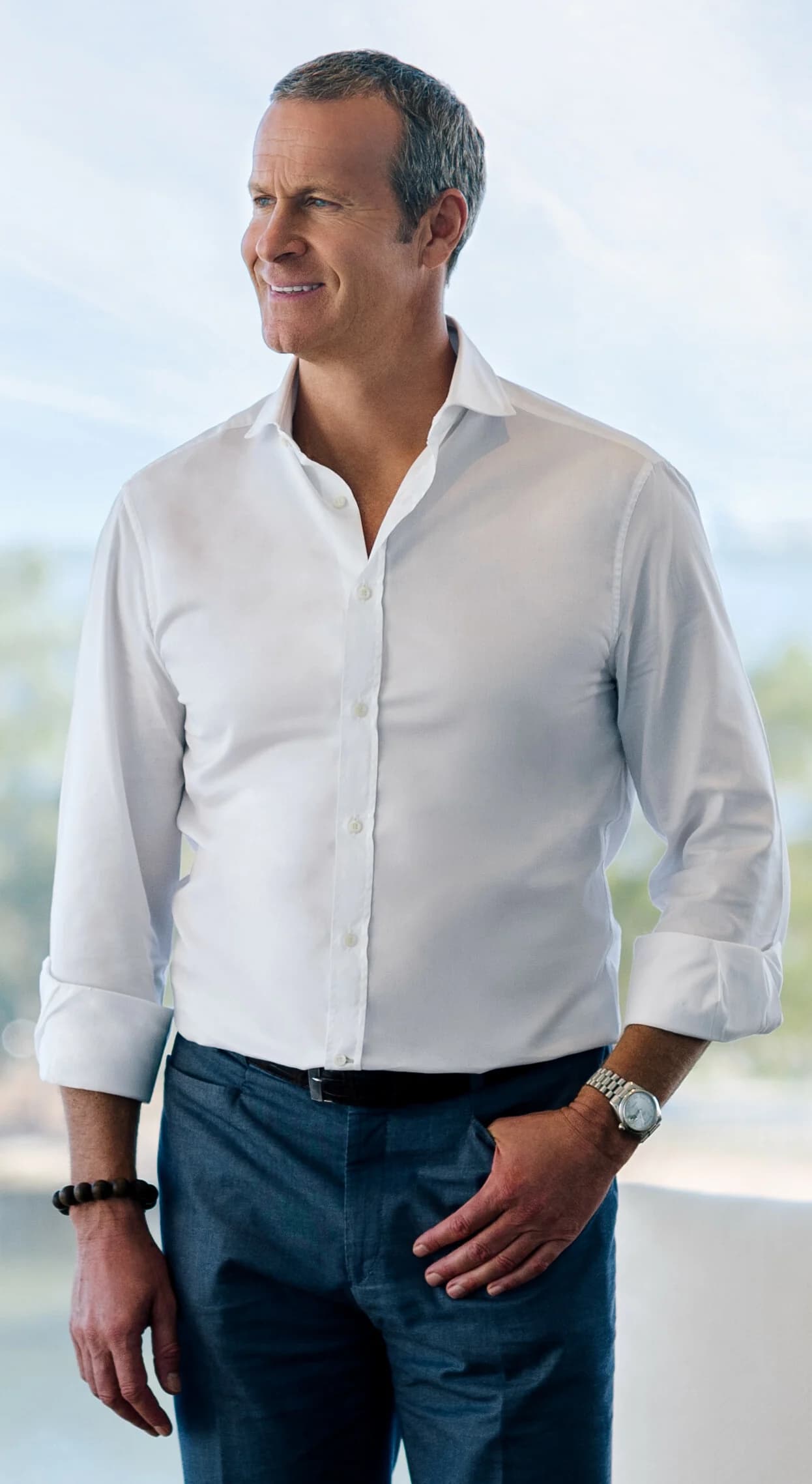
OKO Group identifies Vlad Doronin as its founder and dates the firm’s creation to 2015. The development and investment company is headquartered in Miami. Aman’s current leadership page separately lists him as Owner, Chairman and CEO and records his acquisition of the hospitality brand in 2014.
For readers, keeping those roles separate prevents a common misunderstanding. A development company can assemble land, design, financing and construction, while a hospitality brand defines a guest experience and operating standards. Their activities may connect in a project, but the organisations and contractual responsibilities should still be examined individually.
Miami as a base for a wider development platform
OKO describes a portfolio across residential, hospitality and commercial property. Its published Miami material includes Una Residences and 830 Brickell. The company also describes collaboration with architects including OMA, Kengo Kuma and Adrian Smith + Gordon Gill. These examples establish the design-led scope without requiring an estimate of Doronin’s personal wealth.
An office building, a condominium and a hotel have different users and income structures. An office project depends on occupier requirements and leases; a condominium has a sales and ownership framework; a hotel must deliver service repeatedly. Comparing them through one headline number obscures the distinctions that matter to tenants, residents and operating partners.
Aman’s future Miami Beach project
Aman’s leadership page lists Aman Miami Beach with a 2028 date in its expansion programme. It also identifies other urban and resort developments. The Miami Beach entry should therefore be read as a future project in the brand’s published programme, not as an invitation to book an already operating hotel.
Hospitality reporting becomes more useful when it separates announcements, construction progress and operating openings. A design concept can be compelling long before a property welcomes its first guest. Travellers should check the brand’s live booking information; property buyers should verify the specific residential offering and its documents independently.
The business questions behind a luxury proposition
The central question in this profile is how architecture and operating service fit together. A distinctive building creates an initial impression; privacy, maintenance, staffing and consistent service shape the experience afterwards. Those are useful categories for understanding a luxury project without adopting the vocabulary of a sales brochure.
Readers comparing Miami development businesses can use Doronin’s two roles to study that intersection. Follow the developer’s portfolio for the physical and investment side, and the hospitality brand’s information for the service and opening programme. The evidence does not establish a universal best developer or guarantee a particular investment outcome.
Explore the projects
OKO Group
Miami-headquartered development and investment firm
okogroup.comAman
Current leadership and hospitality expansion programme
aman.comFrequently asked questions
What is Vladislav Doronin’s connection with Miami?
He founded OKO Group, a development and investment firm headquartered in Miami, whose portfolio includes local residential and commercial projects.
Sources & editorial method
The profiles use public corporate and institutional records. Inclusion does not imply an affiliation, interview or endorsement.
Source links checked . Read our editorial standards.
Photography & attribution
Vladislav Doronin · Gesi Schilling · CC BY-SA 3.0 · Resized and cropped for editorial presentation.