Use the evidence and practical questions in this article to test your own assumptions. Any worked examples use hypothetical inputs.
Start with the VIN and title history
Flood damage can create electrical, mechanical and safety problems that are not obvious after cosmetic cleaning. NHTSA advises used-car buyers to check vehicle history and warning signs. Match the VIN on the vehicle with the title and sales documents, then use reputable history sources, including NMVTIS information through approved providers. A clean-looking report is useful evidence, not a guarantee that every event was reported. Do not infer that a vehicle is safe simply because it is being sold far from a recent flood.
Look for inconsistencies, not one magic sign
Waterlines, silt in unusual locations, corrosion, musty odors or recently replaced interior materials can justify closer investigation. A single sign can have another explanation, while the absence of obvious signs does not rule out damage. Ask an independent qualified mechanic to inspect the vehicle, including electronic systems and areas a casual walkaround misses. For electric or hybrid vehicles, flood exposure can involve high-voltage safety concerns that require appropriately trained personnel rather than a do-it-yourself test.
Compare price with insurability and use
Ask the insurer and lender whether the specific title history affects eligibility, terms or resale. A low purchase price is not a complete budget if repairs, unavailable coverage or later resale restrictions are unresolved. In a hypothetical comparison, set aside a separate uncertainty line rather than treating the seller’s repair estimate as verified. Check recalls by VIN and whether outstanding issues were remedied. A title label, repair invoice and an inspection report answer different parts of the purchase decision.
Keep disclosures and decide before payment
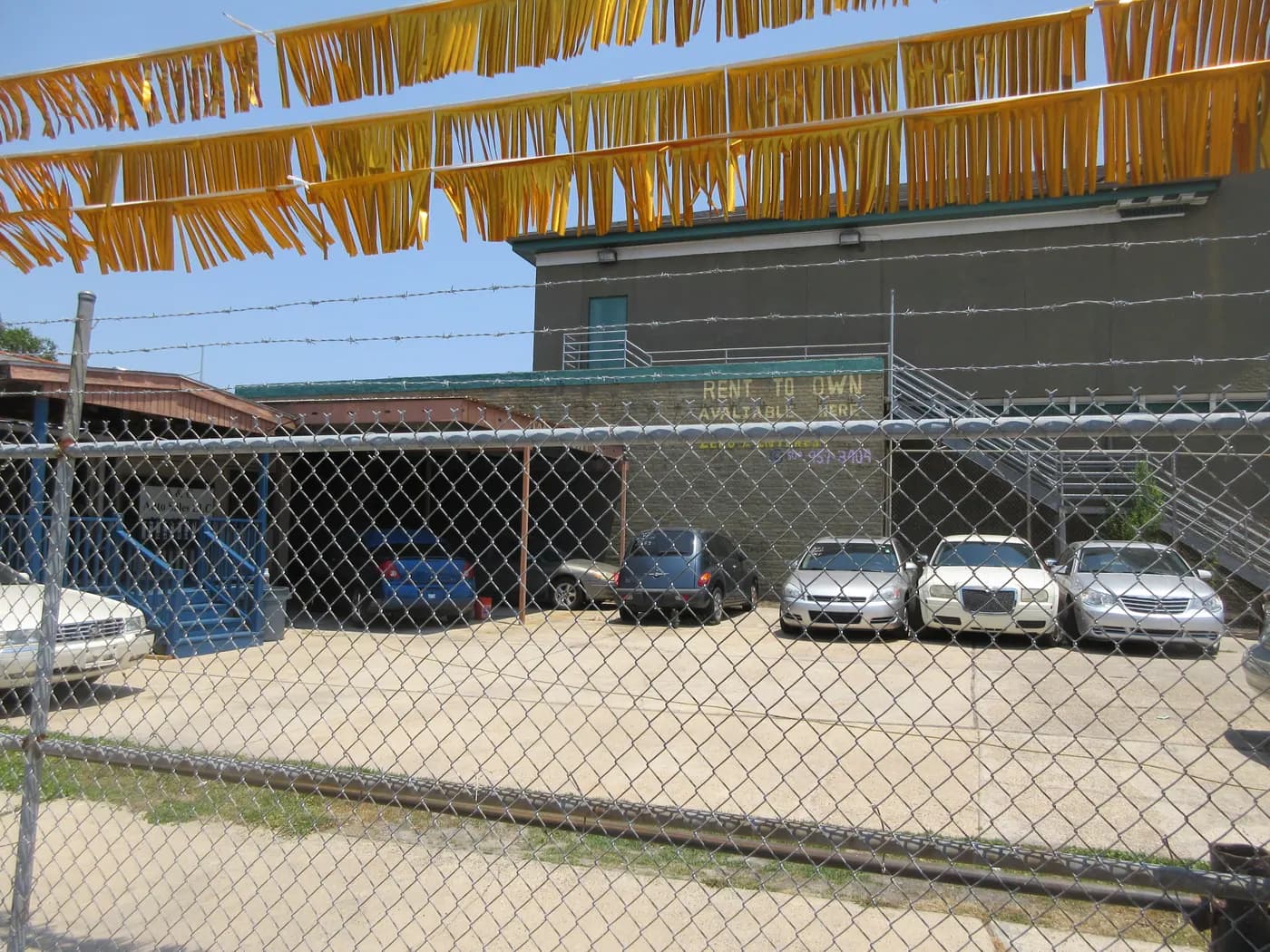
Request written answers about known flood or salvage history and keep them with the advertisement, history report and inspection. Confirm the seller’s identity and ownership authority through the appropriate transaction process. Do not pay a nonrefundable deposit merely to gain access to basic records. If the inspection is refused or documents conflict, pause the purchase and obtain advice. This checklist helps identify uncertainty; it cannot certify a particular vehicle as flood-free, and a photograph of a dealership is only a general buying reference.
Keep the inspection independent
Choose an inspector who can explain the scope and limitations directly to you. Keep the vehicle available for any additional review before committing. If a history report, title and seller statement conflict, ask for clarification and supporting records rather than averaging the explanations into a reassuring story.
Image source and usage
A used-car lot in New Orleans, shown as a general vehicle-purchase reference
Infrogmation of New Orleans
Source image · Image-use terms
Web versions are resized and compressed; attribution and applicable source terms are retained.
Frequently asked questions
Does a clean history report guarantee no flood damage?
No. Combine records with an independent physical inspection and written disclosures.
Should I inspect a flooded EV battery myself?
No. High-voltage and flood concerns require appropriately qualified professionals.
Sources & further reading
Source links checked October 23, 2026. Rules and availability may change; verify current terms directly. Read our editorial standards.