Key takeaways
- Confirm a usable address and move-in permission before booking services.
- Mail forwarding and updates to individual agencies are separate tasks.
- Check driving and vehicle deadlines early, not after the first month.
Use the evidence and practical questions in this article to test your own assumptions. Any worked examples use hypothetical inputs.
Before arrival: make the address usable
Verify the housing provider, exact unit, lease dates and the arrangements for receiving keys. Ask whether the building requires a moving reservation, access approval or an insurance document from a mover. A booked truck is not the same as confirmed permission to use a service elevator or enter a managed property.
Make a short arrival file with the signed agreement, verified contacts, travel details and amounts due. Keep sensitive documents on your own device and share them only through a verified process. If the home is not ready, know the cost and cancellation terms of the temporary arrangement before relying on it.
Utilities, internet and the handover record
Ask which services are already included and which accounts must be established in your name. Check the actual provider for the address, start date, deposit and installation needs. Record any meter readings or handover information requested by the provider. Do not assume that a bill from a previous resident transfers the account to you.
At entry, photograph existing condition and test access devices, appliances and internet arrangements. Record how repairs are reported and who confirms them. If you work remotely, arrange a realistic connection backup for installation delays. Keep first-day purchases distinct from the normal monthly spending you will review later.
Address changes: postal forwarding is only one task
USA.gov directs movers to the official Postal Service process for forwarding mail and separately lists updates for other government services. Forwarding does not replace changes with every bank, employer, insurer or agency. Build a list from the accounts you actually hold and confirm each update through the organisation’s verified channel.
Separate mailing, residential and business addresses where an organisation asks for different fields. Keep the completion date and acknowledgment for important updates. Depending on your circumstances, additional government reporting may have separate deadlines; follow the relevant agency rather than assuming one postal request updates every record.
Florida driving and vehicle requirements need early attention
FLHSMV’s new-resident guidance states that a new resident who will drive must obtain a valid Florida driver license within 30 days of establishing residency. It separately describes vehicle titling and registration within 10 days, including Florida insurance requirements. Read the agency’s residency criteria and your particular document checklist before booking an appointment.
These are separate processes, not a promise that every applicant can exchange a license in the same way. Outstanding liens, title location and document requirements can change what must be arranged. Contact the relevant office early and keep appointment and submission evidence. If you will not drive, plan identification and daily transport separately.
After settling in: replace estimates with real routines
Test the commute, grocery trip and essential appointments from the actual home. Compare the first full bills with your budget and identify recurring costs that were missing. Keep a calendar for renewal dates, service appointments and follow-up questions rather than trying to remember each commitment from a message thread.
The first month is a useful review point, but it is not a deadline for every legal or administrative task. Complete earlier obligations when they apply. Use the rental, neighborhood and transport guides alongside this checklist to resolve practical choices without assuming that one newcomer’s circumstances match another person’s.
Plan your next step
The working notebook
Track your move-in tasks and evidence
Set the deadline from the actual authority or agreement, not from this table’s order.
Questions to resolve before acting
- Which task has the earliest actual deadline?
- What would you do if the home or internet is not ready?
Download the working worksheet
The worksheet is an editable CSV for your own records. Examples are hypothetical, not quotes, promised returns or eligibility decisions. Keep sensitive information on your own device.
Frequently asked questions
Does mail forwarding update every government record?
No. USA.gov lists postal forwarding separately from changes with other agencies. Follow each relevant organisation’s process.
Should vehicle paperwork wait until the end of the first month?
No. FLHSMV describes separate deadlines, including a 10-day vehicle process for new residents. Check the current guidance and your circumstances promptly.
Photography credits & licenses
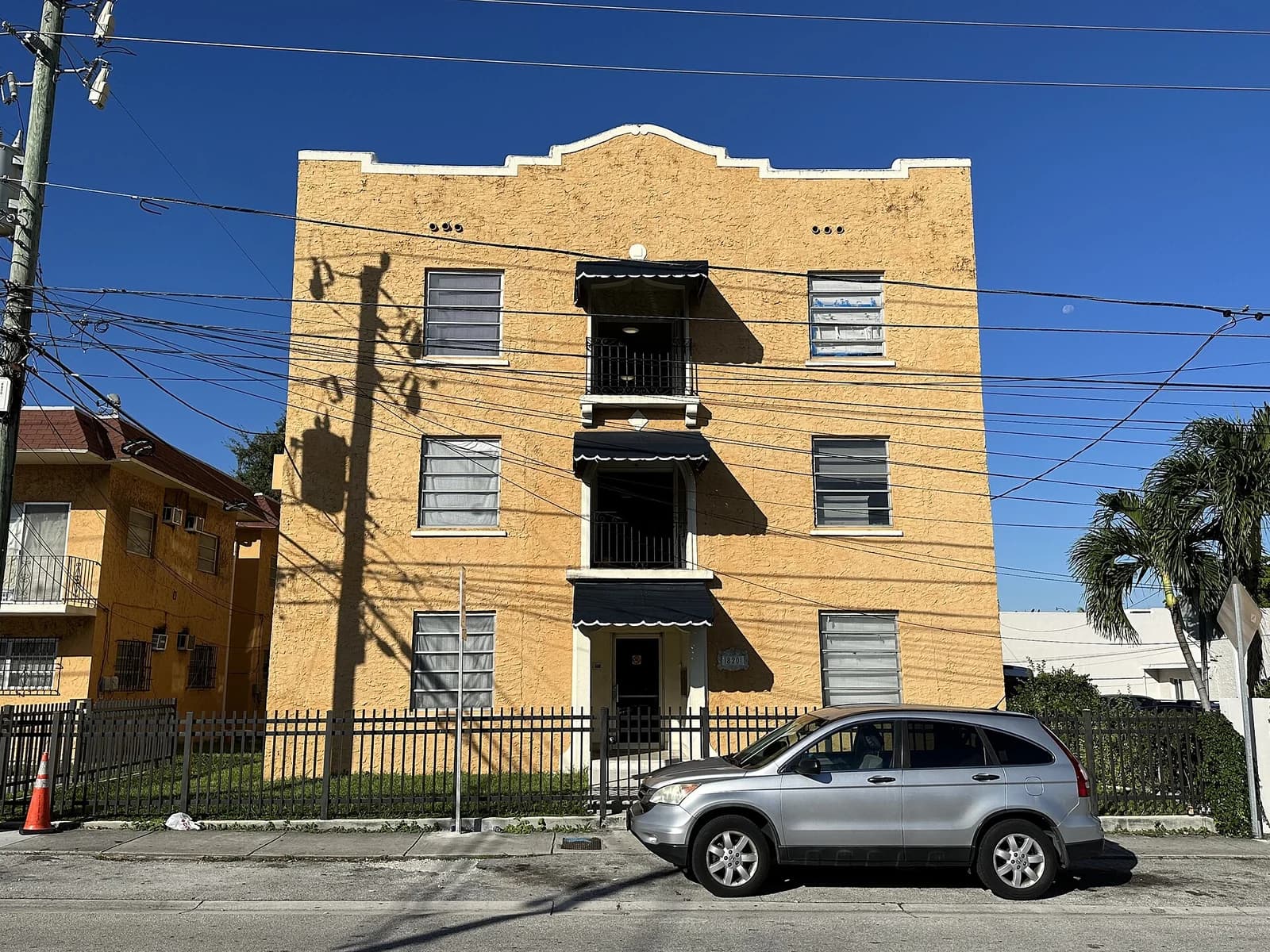
- Photograph by Robbschultz69 · CC BY-SA 4.0. Resized and cropped; adaptations retain the source license.
Sources & further reading
- FLHSMV: new Florida resident guidance
- USA.gov: change of address and mail forwarding
- FTC: verify a rental before paying
Source links checked October 15, 2026. Rules and availability may change; verify current terms directly. Read our editorial standards.