Key takeaways
- Price an actual home and commute before using a citywide average.
- Keep recurring expenses separate from deposits and moving charges.
- The example below is a calculation framework, not a current market quote.
Use the evidence and practical questions in this article to test your own assumptions. Any worked examples use hypothetical inputs.
What the official Miami spending data measures
The BLS report released in January 2026 puts average annual spending in the Miami metropolitan area at $64,027 for 2023–24, with housing accounting for 40.0% of the budget. The geography includes Miami-Dade, Broward and Palm Beach counties. It is a historical household survey, not the asking rent for an apartment today.
Use that evidence to identify the big categories, then replace averages with your own household inputs. A shared apartment, a car loan and employer-provided benefits produce a different budget from a solo lease, public transport and separately purchased coverage. A single citywide total cannot describe both arrangements accurately.
Housing costs beyond the advertised rent
For each shortlist address, ask what the monthly payment includes. Electricity, internet, water, parking, pets, storage and building charges may be billed differently. Request the total recurring amount in writing and identify optional services. A lower headline rent can become more expensive once your actual requirements are added.
Compare the cost of the home with the cost of reaching work, groceries and appointments. Test the route at the time you would use it. Include a backup transport allowance if a late shift, missed connection or heavy rain would otherwise force an unplanned ride. The home and the commute form one decision.
A worked monthly budget you can replace
Consider a hypothetical monthly plan: $2,200 housing, $250 utilities and internet, $500 food, $200 transport, $300 health and personal spending, and $250 reserves. The total is $3,700. These are invented planning inputs, not observed neighborhood prices or a promise that the amount will cover a particular household.
Add any costs missing from your situation, such as car financing, childcare, education, debt payments, subscriptions or travel. Compare the completed total with dependable take-home income rather than gross salary. If income varies, build the plan around a conservative month and record what can be reduced without breaking a contractual commitment.
Separate the move-in cash requirement
Initial cash is a different calculation from a normal month. A hypothetical $2,200 first month, $2,200 refundable deposit and $300 moving bill require $4,700 at the start. A refundable deposit is still cash you cannot use for groceries. Actual agreements may include different deposits, prepaid rent, application charges or building arrangements.
Ask which amounts are refundable, when they are due and what documentation confirms payment. Keep an arrival buffer separate from money already committed to a lease. Use the rental guide linked below to verify the property and the payment recipient before sending documents or money to someone advertising a home.
Review the budget after the first billing cycle
Save the first full month of bills and categorize actual spending using the same headings as the forecast. Separate a one-off purchase from a recurring problem. If transport is higher than planned, record whether the cause is frequency, an unsuitable route or expensive last-minute rides; each calls for a different adjustment.
Update the worksheet before making a longer housing or vehicle commitment. The practical goal is a repeatable monthly plan with enough room for real bills and irregular expenses. Readers comparing Florida locations can also use the journal’s city guide, while keeping the same household assumptions across every comparison.
Plan your next step
The working notebook
Build your Miami monthly budget
Replace every amount with a written quote or your own expected use. Include a separate initial-cash total.
Questions to resolve before acting
- Which costs are missing from this example?
- How much cash is due before moving day?
Download the working worksheet
The worksheet is an editable CSV for your own records. Examples are hypothetical, not quotes, promised returns or eligibility decisions. Keep sensitive information on your own device.
Frequently asked questions
Is the BLS Miami spending figure a current rent estimate?
No. It measures historical household spending across a three-county metropolitan area. Price a specific home and use current household inputs.
Does the $3,700 example include every household cost?
No. It is a hypothetical framework. Add any car payments, childcare, debt, insurance or other expenses relevant to you.
Photography credits & licenses
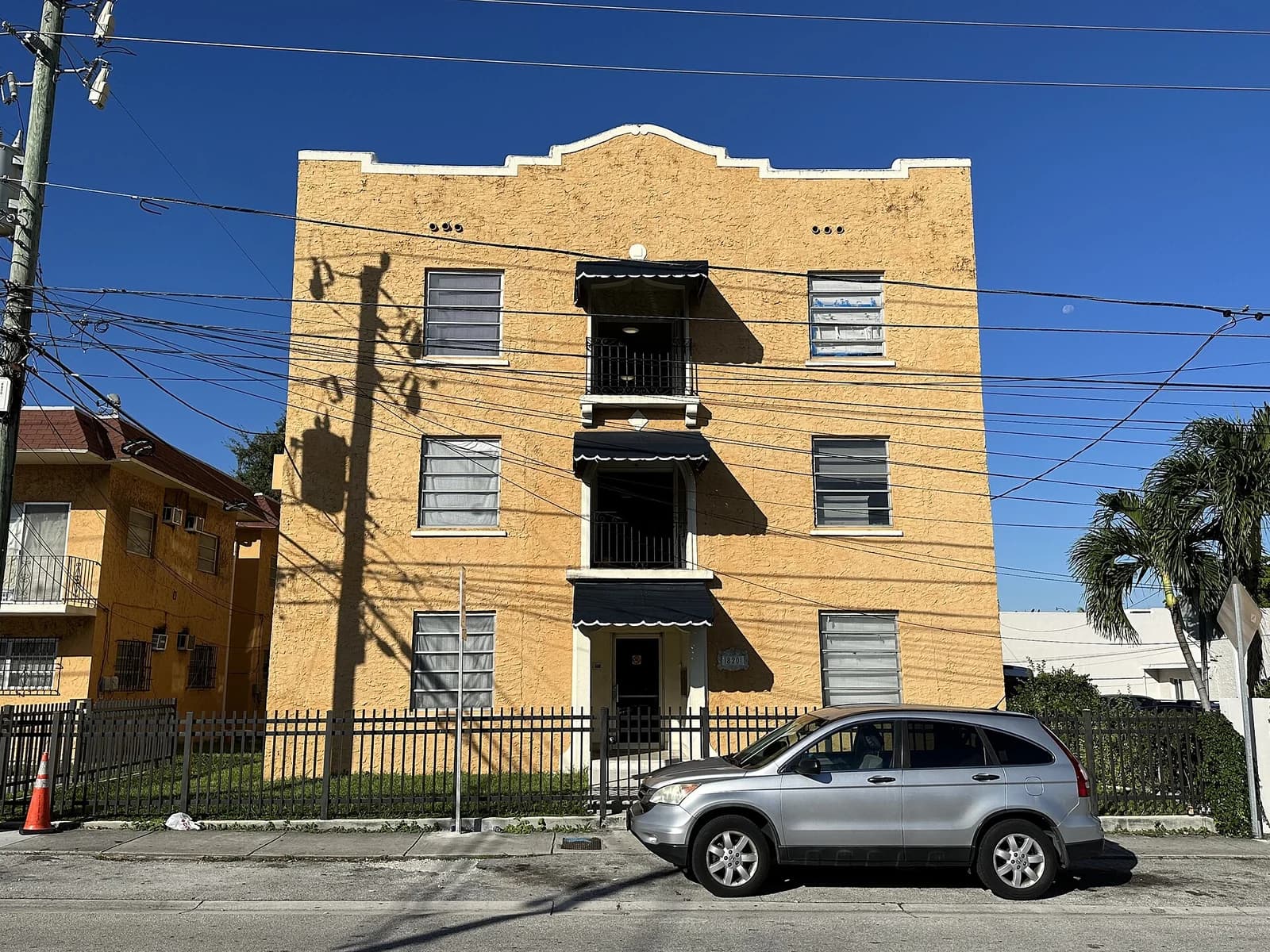
- Photograph by Phillip Pessar · CC BY 2.0. Resized and cropped; adaptations retain the source license.
Sources & further reading
- BLS: Miami household spending, 2023–24
- Miami-Dade County: current transit fares
- FTC: verify rental listings
Source links checked October 15, 2026. Rules and availability may change; verify current terms directly. Read our editorial standards.