Use the evidence and practical questions in this article to test your own assumptions. Any worked examples use hypothetical inputs.
Request the association’s documents early
A Florida condo purchase involves the unit and the association responsible for shared property. Request governing documents, current budget, recent financial information, insurance details, meeting records and information about pending assessments through the appropriate transaction process. Ask which documents are current and which are drafts. A low monthly fee is not enough to judge the building’s financial position. Distinguish routine dues from special assessments and ask whether an announced project has an approved funding plan. Keep delivery dates because the purchase contract and applicable law can attach consequences to receiving or missing specific documents.
Separate structural inspections from reserve studies
Florida DBPR explains that milestone inspections and structural integrity reserve studies are separate requirements. Their applicability, timing and findings must be checked for the actual condominium rather than assumed from a generic statewide headline. Ask for the relevant completed reports, repair status and the budget treatment of identified work. A reserve balance without the underlying study does not tell you whether the planned funding matches the building’s needs. If a report identifies deficiencies, ask qualified professionals to explain them; a salesperson’s reassurance does not replace an engineering assessment or a legal review of the buyer’s obligations.
Test the ownership budget and intended use
Add dues, taxes, insurance, financing and any known assessment obligations to the ownership budget. Ask how a potential increase would affect affordability instead of treating the current fee as permanent. Review rental restrictions, application requirements, pets, parking, storage and planned use before making assumptions about investment income or occupancy. Check what the lender and insurer still need before closing. Organize unanswered questions by responsible party: association, seller, lender, inspector or attorney. Resolve material issues within the transaction deadlines rather than expecting the final closing appointment to fix missing information.
- Request current financial, insurance, assessment and governing documents.
- Review applicable inspection and reserve-study reports separately.
- Check the intended occupancy or rental use against the rules.
Image source and usage
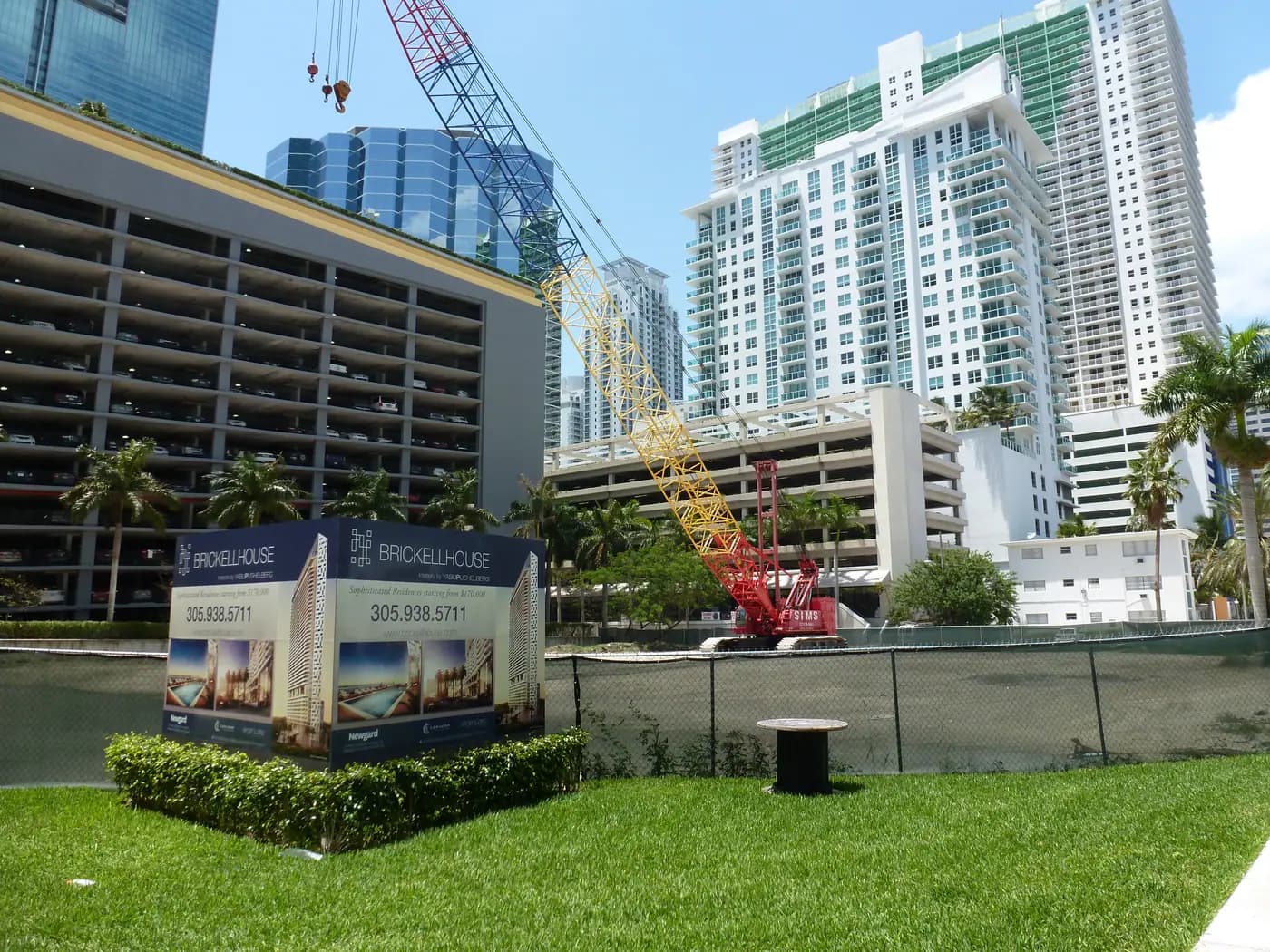
An archival view of the Brickell House construction site in Miami
Daniel Christensen
Source image · Image-use terms
Web versions are resized and compressed; attribution and applicable source terms are retained.
Frequently asked questions
Is a reserve study the same as a milestone inspection?
No. DBPR treats these as separate requirements. Review the relevant reports and applicability for the building with qualified advisers.
Does a low condo fee prove the property is affordable?
No. Include reserves, assessments, taxes, insurance and likely changes in the complete ownership budget.
Sources & further reading
- Inspections - DBPR Condominium Information & Resources
- FAQs - DBPR Condominium Information & Resources
Source links checked October 20, 2026. Rules and availability may change; verify current terms directly. Read our editorial standards.