Use the evidence and practical questions in this article to test your own assumptions. Any worked examples use hypothetical inputs.
Identify the legal form first
An HOA community and a condominium association can both collect assessments and enforce governing documents, but the ownership structure and Florida legal framework differ. Appearance alone does not identify the legal form: a townhouse can require closer document review. Obtain the declaration, bylaws, rules and association information for the exact property. Do not assume an agent’s shorthand, a listing label or a low monthly fee tells you who owns and maintains the roof, exterior or shared infrastructure.
Map maintenance and insurance responsibility
Create separate lines for roof, windows, exterior walls, plumbing, common areas and utilities. Identify the responsible party and the document supporting the answer. Review association insurance alongside the owner’s required coverage and deductibles. A hypothetical repair may involve both the association and the unit owner, depending on cause and governing documents. Ask about approval procedures for renovations and contractors before budgeting a project. A responsibility chart is useful only when it reflects the actual declaration and policy wording.
Read the financial obligations together
Compare the budget, reserves, financial statements, pending assessments and relevant inspection or structural records. A low current fee does not guarantee low future costs. Ask what work is planned, how it will be funded and whether an assessment has already been approved. For a buyer using financing, confirm lender and insurer requirements early. Keep the analysis specific to the building or community; statewide headlines cannot establish the condition or finances of an individual association.
Check how you intend to use the property
Read rental restrictions, occupancy rules, parking, pets, transfer charges and approval procedures against your actual plans. A buyer planning seasonal rentals needs a different review from a full-time resident, and local law can add requirements beyond association rules. Track document delivery and contract review deadlines with qualified advice where needed. The useful HOA-versus-condo comparison is a verified set of obligations and costs, not a universal claim that one ownership form is better for every Florida buyer.
Compare a normal month and a stress month
Build one ownership budget with routine dues and another with plausible repairs or an announced assessment. Use documented figures where available and label assumptions. This makes liquidity needs visible without claiming that a hypothetical repair will occur or that a low-fee community is necessarily underfunded.
Image source and usage
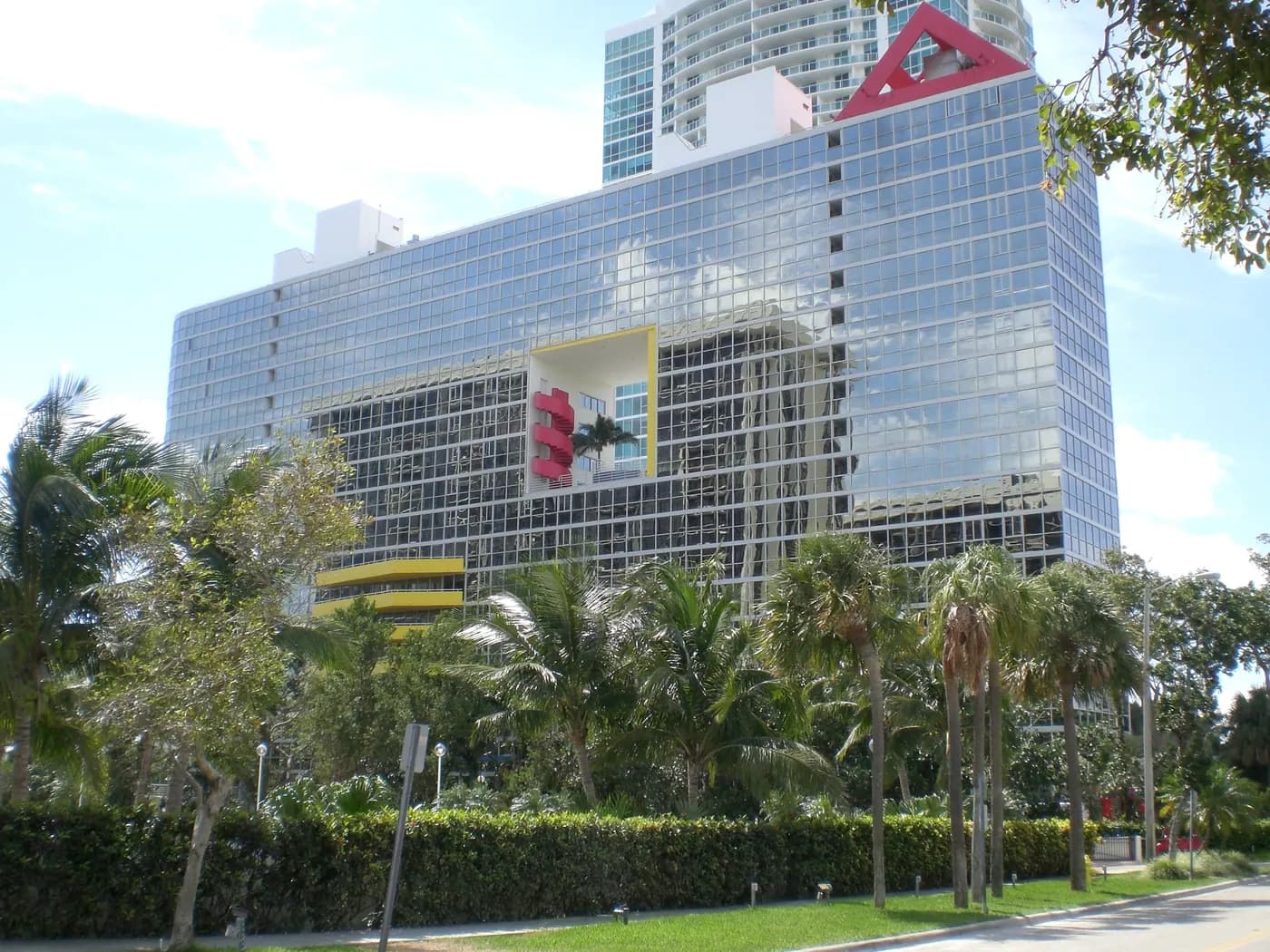
Atlantis condominium building in Miami
Averette at English Wikipedia
Source image · Image-use terms
Web versions are resized and compressed; attribution and applicable source terms are retained.
Frequently asked questions
Does a low association fee prove financial strength?
No. Review reserves, planned work, assessments and the underlying financial records.
Can I identify legal form from the building shape?
Not reliably. Read the property’s recorded documents and applicable association information.
Sources & further reading
- Division of Condominiums, Timeshares, and Mobile Homes – FAQS – MyFloridaLicense.com
- MyFloridaLicense.com – License efficiently. Regulate fairly.
Source links checked October 23, 2026. Rules and availability may change; verify current terms directly. Read our editorial standards.