Read this report alongside the linked primary sources. Distinguish the announced event from its potential effect on your business.
A proposal for paying tax on qualifying farmland gains
Treasury and the IRS proposed regulations on September 28 concerning an election to pay tax attributable to certain qualifying farmland gains in four annual installments. The release describes conditions involving the property, its use and the buyer. The proposal should not be simplified into a claim that every land sale qualifies or that a seller can freely defer all tax. A property transaction must be assessed using the applicable law, documents and individual facts. The announcement is significant because the timing of a tax payment can affect closing liquidity, but the existence of an installment framework does not establish eligibility for a particular sale.
Build the transaction evidence before the cash forecast
A seller reviewing the proposal can assemble the ownership history, records of agricultural use, proposed sale agreement and information about the buyer’s intended activities. Identify any restriction on future use and ask the relevant professionals how it would be documented and enforced. Keep the property-sale proceeds separate from the calculation of taxable gain and the timing of tax payments. Those figures serve different purposes in a closing model. A useful worksheet also shows costs that occur immediately, even if some tax could be paid later. This prevents a proposed deferral from being mistaken for cash that can safely be spent without further review.
Resolve the election and monitoring questions
Before a transaction depends on installment treatment, ask who must make the election, what filing documents apply and what circumstances could affect the remaining payments. Record the assumptions in the sale file and have the closing and tax advisers reconcile them. Keep a fallback cash plan for a transaction that does not meet the conditions as expected. Follow the linked proposal and later final guidance rather than relying on a brief summary of the policy. For an owner, the useful outcome is a documented timing plan that matches the actual agreement, with responsibility assigned for future deadlines and for checking that continuing conditions remain satisfied.
Image source and usage
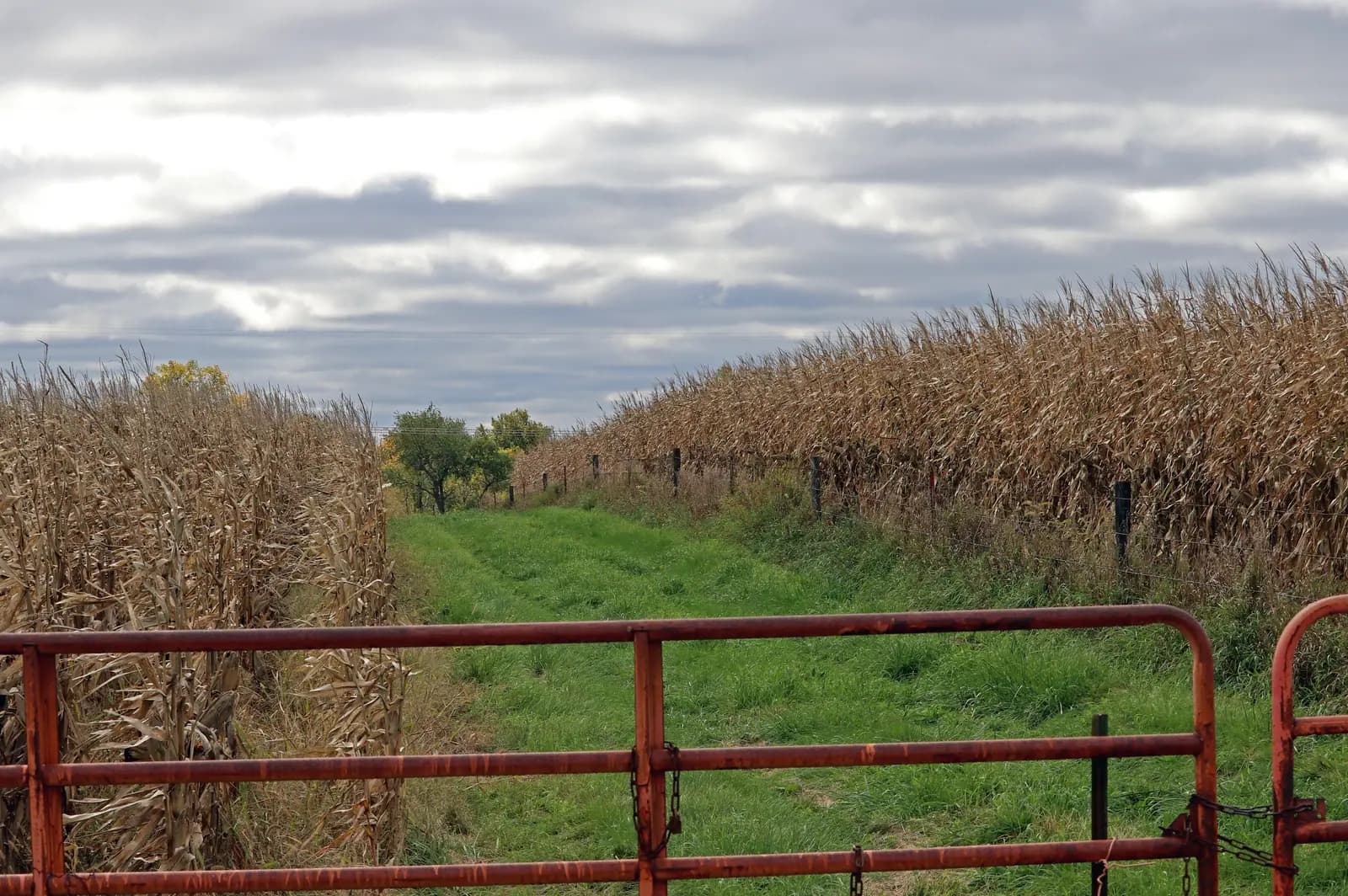
Reference photograph of a cornfield in Iowa
Don McCulley
Source image · Image-use terms
Web versions are resized and compressed; attribution and applicable source terms are retained.
Frequently asked questions
Does the farmland proposal cover every property sale?
No. It concerns qualifying farmland transactions subject to conditions. Review the applicable law and complete transaction documents with the appropriate professionals.
Sources & further reading
Source links checked October 19, 2026. Rules and availability may change; verify current terms directly. Read our editorial standards.