Use the evidence and practical questions in this article to test your own assumptions. Any worked examples use hypothetical inputs.
Separate the building from your belongings
A landlord’s insurance should not be treated as protection for everything a tenant owns. Florida’s Department of Financial Services explains renters coverage for personal property damaged by a covered peril. The practical question is which losses your own policy covers, subject to its limits, exclusions and deductible. Start with an inventory of furniture, electronics, clothing and other belongings, keeping photographs and receipts where available. Record unusually valuable items separately because a general contents limit may include smaller sublimits for particular categories. Ask how replacement-cost coverage differs from an actual-cash-value settlement on the quoted policy.
Check flood and temporary-living coverage
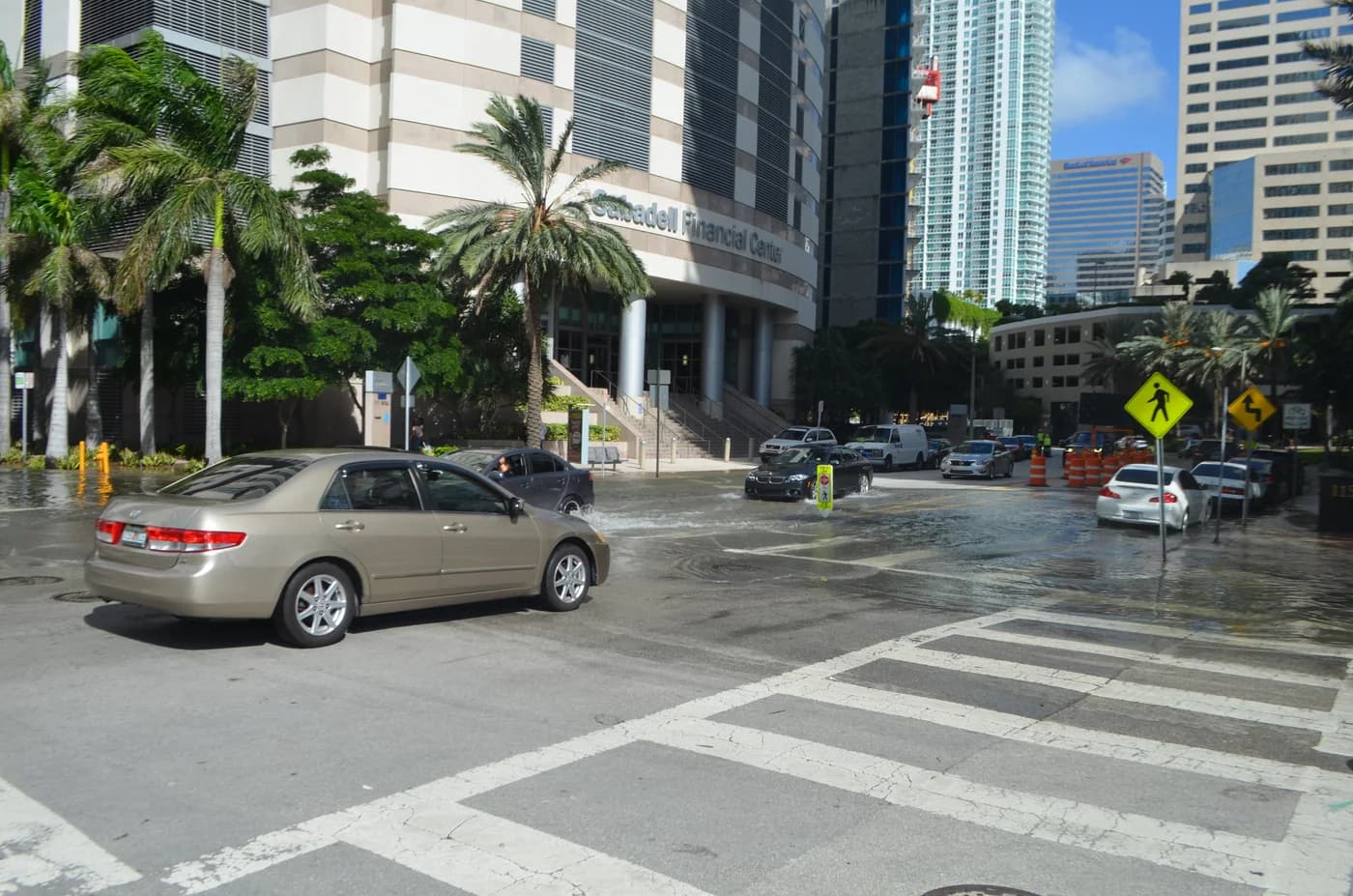
Do not equate hurricane, wind, water damage and flood with one interchangeable coverage. Standard renters coverage commonly excludes flood; Florida’s consumer guidance describes separate contents flood protection and the possibility of endorsements in some cases. Ask the insurer to identify the relevant wording for your address. Also review liability protection and additional living expenses after a covered loss. Those benefits have conditions and limits rather than guaranteeing payment for any period away from home. Check whether a roommate needs a separate policy and whether a landlord’s requirement is satisfied by the actual insured names.
Compare equivalent quotes
Place the coverage limits, deductible, valuation method and exclusions beside each premium. A lower premium can reflect a larger amount you must pay after a loss or narrower protection. Check the policy start date against the lease and any waiting conditions for separate coverage. Keep the declarations, full wording and claims contact offline. Update the inventory when a major purchase changes the value at risk. If an exclusion or requirement remains unclear, ask for a written explanation tied to the policy instead of relying on a general sales description.
- Inventory belongings and identify valuable-item sublimits.
- Ask separately about flood, liability and additional living expenses.
- Compare the same limits and deductibles across quotes.
Image source and usage
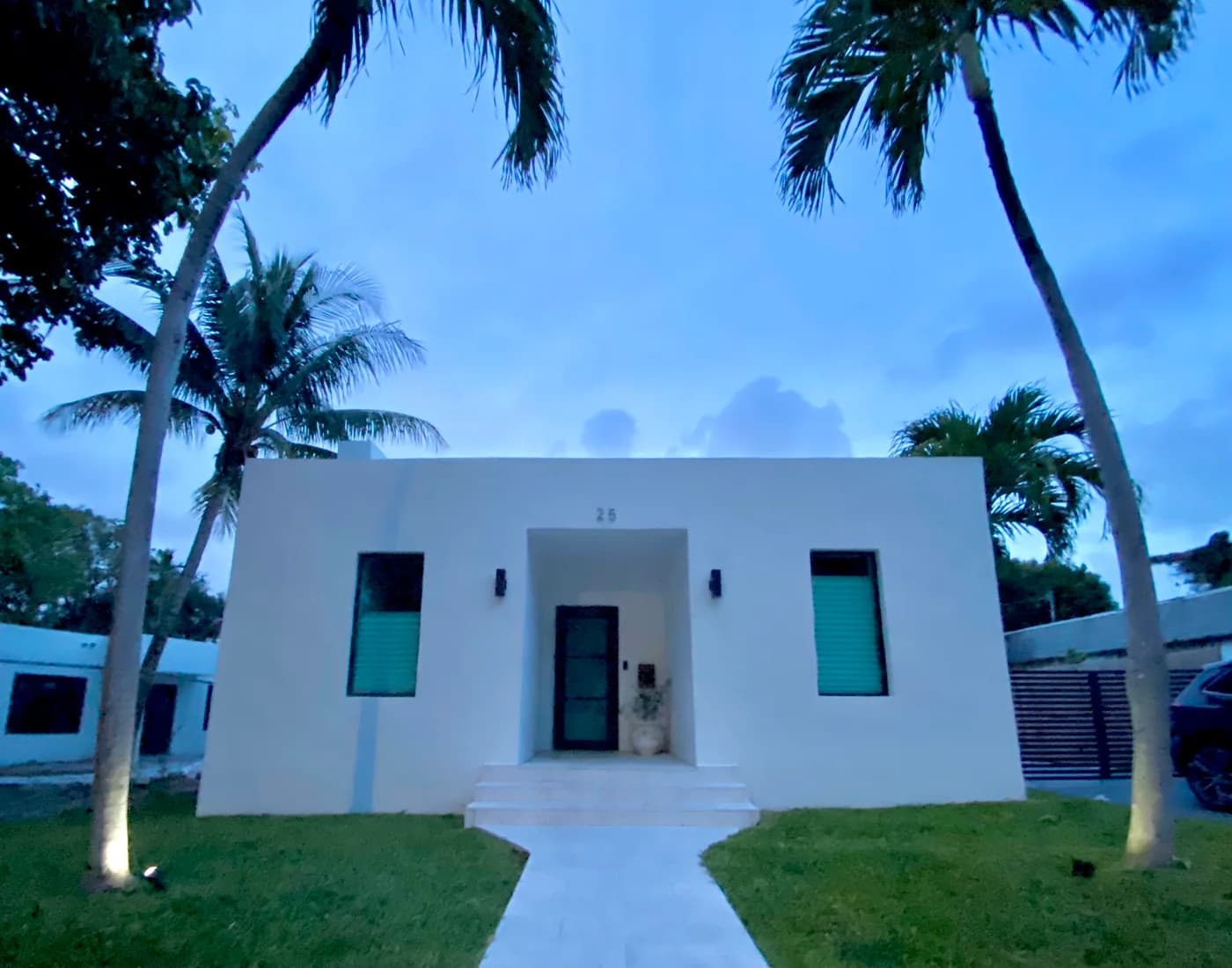
An Art Deco house in Miami, photographed as an architectural reference
Sharon Hahn Darlin
Source image · Image-use terms
Web versions are resized and compressed; attribution and applicable source terms are retained.
Frequently asked questions
Does the landlord’s policy cover my possessions?
Do not assume that. Review your own renters policy and its covered losses, valuation, limits and exclusions.
Is flood automatically included?
No. Ask about a separate contents flood policy or applicable endorsement and read its conditions for the property.
Sources & further reading
- Renters' Insurance Overview | Consumer Services | Florida Department of Financial Services
- Flood Insurance | Full Coverage | Office of the Insurance Consumer Advocate | Florida Department of Financial Services
Source links checked October 20, 2026. Rules and availability may change; verify current terms directly. Read our editorial standards.