Use the evidence and practical questions in this article to test your own assumptions. Any worked examples use hypothetical inputs.
Start with the lease and the current statute
Florida Statutes section 83.49 sets the residential security-deposit framework, including different timelines when a landlord makes no claim and when a claim is proposed. It generally describes a 15-day return without a claim and a 30-day notice period to impose a claim, subject to the statute’s conditions and procedures. Read the current text for notice methods, objections and exceptions. Do not convert those figures into a promise that every dispute ends automatically on the same date.
Build move-in and move-out evidence
Keep the lease, deposit receipt, condition checklist, dated photographs and repair communications. At move-out, document cleanliness, keys returned and any agreed walkthrough. Provide a reliable forwarding address through the appropriate process and retain evidence of delivery. For a hypothetical dispute about a damaged appliance, the initial condition and later maintenance reports can be more useful than an unsupported statement that the whole apartment was perfect. Separate ordinary wear, actual damage and contractual cleaning terms for review.
Read a claim notice rather than ignoring it
If a landlord proposes deductions, record when and how the notice arrived and compare it with the lease, evidence and statutory procedure. Ask for a clear itemization and supporting explanation. The statute includes an objection process with a deadline, so seek advice promptly if the amount or procedure is disputed. Do not assume an informal phone objection preserves every right. Keep a written chronology and avoid sending original documents without retaining copies.
Resolve the exact issue
Identify whether the dispute concerns the condition, amount, notice, return timing or whether a payment was actually a security deposit. Those are different questions. Early departure, special notice duties and unusual lease arrangements may need a tailored review. Use official Florida consumer resources and qualified legal help when necessary. A concise evidence package helps a negotiation or formal claim, but this general guide cannot determine who wins a particular case. Preserve records until the payment and any remaining dispute are fully resolved.
Prepare a concise deposit reconciliation
List the original deposit, any agreed deductions, amounts returned and the unresolved balance. Attach the relevant evidence to each disputed line. Keep a proposed settlement separate from a payment actually received, and record whether accepting a settlement would resolve all claims before agreeing.
Image source and usage
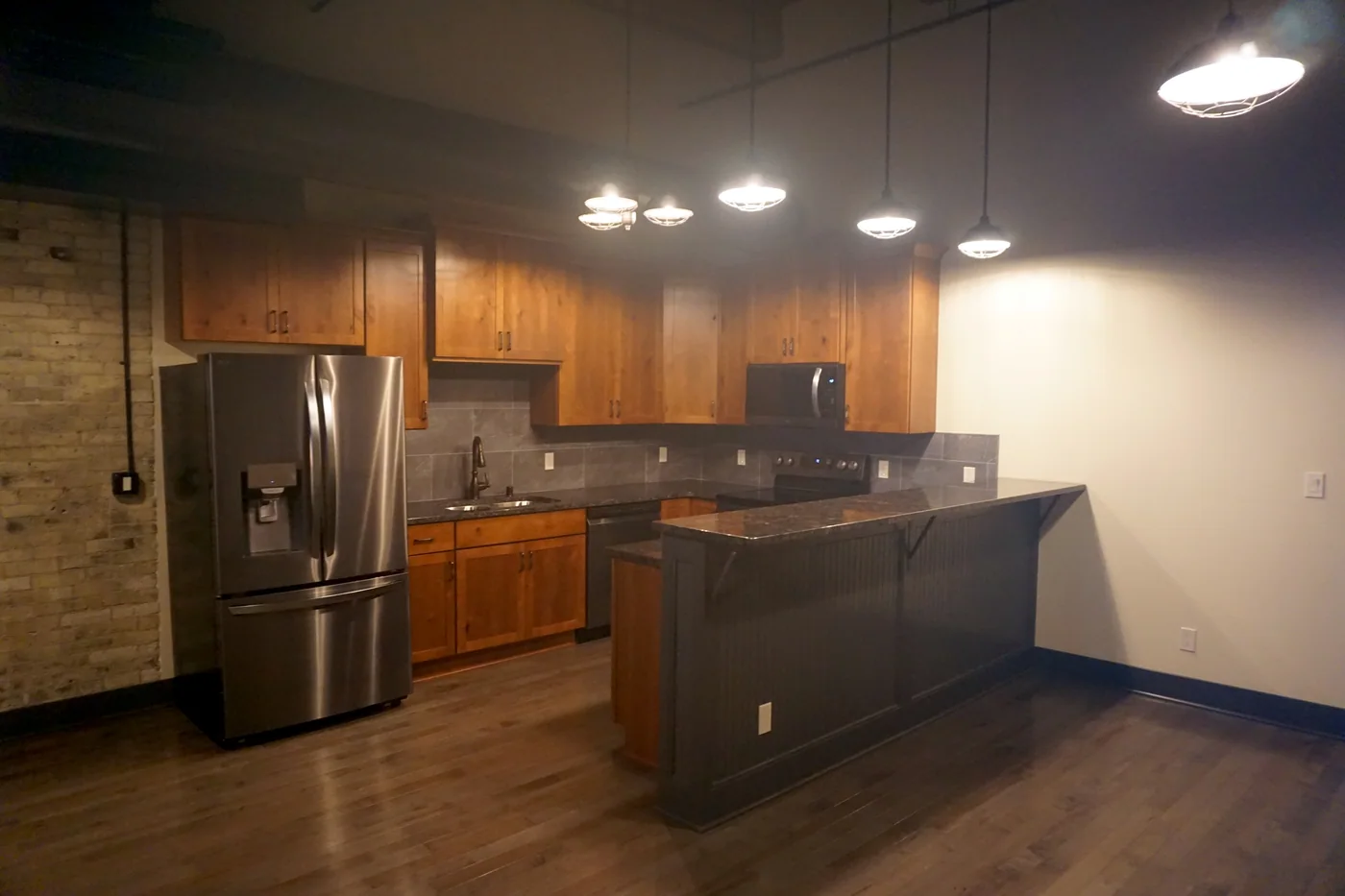
Apartment interior in the Pritzlaff Building in Milwaukee
Michael Barera
Source image · Image-use terms
Web versions are resized and compressed; attribution and applicable source terms are retained.
Frequently asked questions
Is the 30-day period always a refund deadline?
No. Distinguish the statutory claim-notice process from the no-claim return and later dispute handling.
Should I keep move-in photos after moving out?
Yes. They can help establish the earlier condition when a deduction is disputed.
Sources & further reading
- Statutes & Constitution :View Statutes : Online Sunshine
- Landlord/Tenant Law in Florida - Florida Department of Agriculture & Consumer Services
Source links checked October 23, 2026. Rules and availability may change; verify current terms directly. Read our editorial standards.